
Simple Dental Care Tips to Prevent Cavities and Gum Disease
Learn easy dental care tips to prevent cavities and gum disease. Maintain a healthy smile with these simple habits for strong teeth and gums.

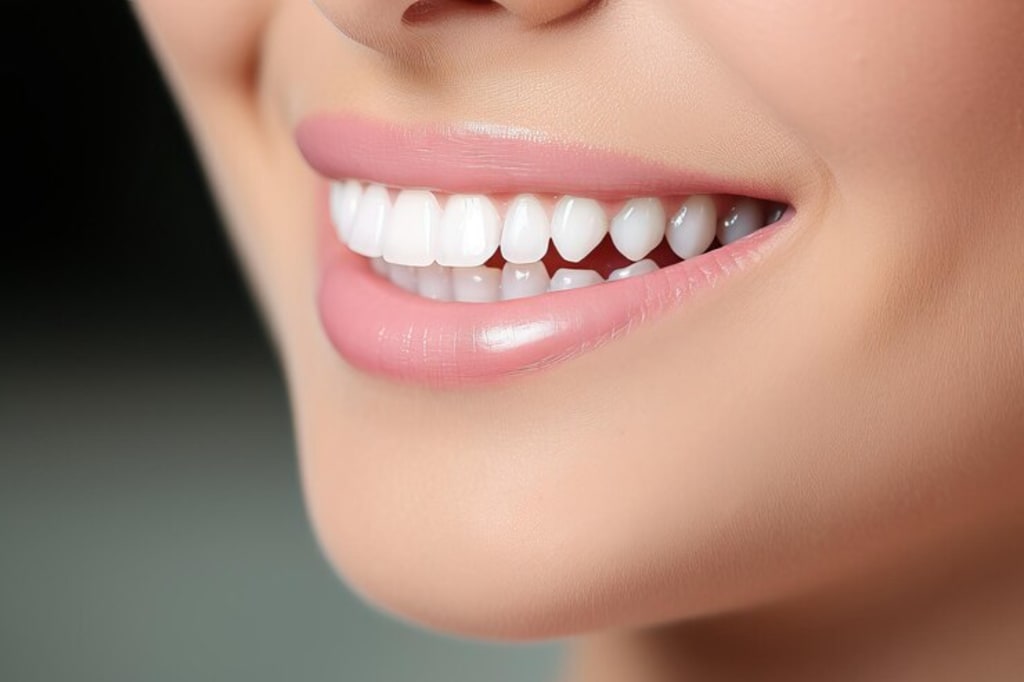
Maintaining good dental health is necessary to prevent cavities and gum disease, two of the most common oral health problems. Plaque, a sticky layer of bacteria that weakens the tooth's enamel, accumulates and causes cavities.
Gum disease, sometimes called periodontal disease, is an infection of the gums that, if left untreated, can lead to tooth loss. Fortunately, both conditions can be easily prevented with consistent care and attention. In this article, Ace Dental Implant Clinic, the best dental clinic in Nerul, discusses simple and effective dental care tips to help protect your teeth and gums long-term.
Why Dental Care Is Important
Good oral hygiene does more than brighten your smile—it plays a significant role in your overall health. Poor dental care can lead to issues like cavities, gum disease, and even heart disease, diabetes, or respiratory problems if bacteria from the mouth enter the bloodstream. Understanding the importance of dental care is the first step in preventing these serious health problems.
1. Brush Your Teeth Twice a Day
Why Brushing Matters
Brushing your teeth is the cornerstone of a good dental care routine. It helps clear food particles and plaque, which are major causes of cavities and gum disease.
How to Brush Effectively
- Use fluoride toothpaste: Fluoride helps strengthen the enamel and prevents cavities.
- Choose the right toothbrush: Use a soft-bristled toothbrush to avoid damaging your gums.
- Follow the 2-minute rule: Brush your teeth for at least two minutes, focusing on all areas of your mouth.
- Brush in circular motions: Make gentle, circular strokes to clean teeth and gums without causing harm.
- Don’t forget your tongue: Brushing your tongue helps remove bacteria that cause bad breath.
2. Floss Daily
Why Flossing Is Crucial
Brushing alone can’t reach the tiny gaps between teeth, where plaque and food particles accumulate. Flossing once a day removes this debris, preventing cavities and gum disease.
Proper Flossing Technique
- Wrap the floss over your fingers, leaving a couple of inches extra for cleaning, using around 18 inches of floss.
- Gently guide the floss by sliding it up and down each tooth and bending it into a C shape.
- Do not break the floss: Take care not to injure your gums.
3. Use Mouthwash
How Mouthwash Helps
Mouthwash provides additional protection by reaching areas of your mouth that brushing and flossing may miss. It helps kill bacteria, reduce plaque, and freshen your breath.
Choosing the Right Mouthwash
- Look for fluoride mouthwash: It helps prevent tooth decay.
- Opt for an antibacterial formula: These mouthwashes kill bacteria that yield gum disease and bad breath.
- Avoid alcohol-based mouthwashes: Alcohol can dry out your mouth, which may worsen bad breath.
4. Eat a Balanced Diet
The Impact of Diet on Dental Health
Your diet has a big role in your oral health. Foods rich in sugar and starch can increase the risk of cavities by feeding harmful bacteria in your mouth. On the other hand, a diet rich in vitamins and minerals helps strengthen your teeth and gums.
Foods to Include
- Dairy products: Calcium-rich products include cheese, milk, and yogurt to strengthen teeth.
- Leafy greens: These include calcium and offer high minerals and vitamins.
- Crunchy fruits and vegetables: Crunchy snacks, such as carrots, apples, and celery, increase saliva production in the mouth, which helps clean the mouth naturally.
- Water: Drinking water throughout the day rinses food particles and keeps bacteria away.
Foods to Limit
- Sugary snacks: Candy, cookies, and sugary drinks contribute to tooth decay.
- Sticky foods: Foods like caramel or dried fruit can cling to teeth and cause cavities.
- Acidic foods and drinks: Sodas and citrus fruits can harm tooth enamel.
5. Stay Hydrated
Why Hydration Is Important
Drinking lots of water helps maintain saliva production. Saliva is essential for removing food particles, counteracting bacterially generated acids, and avoiding dry mouth, which raises the risk of gum disease and tooth decay.
Drink Water After Meals
Drinking water after eating helps rinse your mouth and reduce the amount of acid and sugar that remains on your teeth.
6. Visit Your Dentist Regularly
Importance of Regular Checkups
Even with a perfect dental care routine, it’s crucial to see your dentist regularly. Professional cleanings eliminate plaque and tartar that you might miss at home, and your dentist can detect early indications of cavities or gum disease before they become serious problems.
How Often to Visit
It’s recommended to visit your dentist every six months for a cleaning and checkup. However, your dentist might suggest more frequent visits if you have certain risk factors, such as a history of gum disease.
7. Protect Your Teeth
Wear a Mouthguard
If you play sports, wearing a mouthguard can protect your teeth from injuries. A custom-fitted mouthguard from your dentist provides the best protection.
Avoid Using Teeth as Tools
Don’t use your teeth to open bottles, tear packages, or chew on hard objects like pens or ice. These habits can cause chips, cracks, and other damage to your teeth.
8. Quit Smoking
How Smoking Affects Oral Health
Gum disease, tooth discoloration, and an elevated risk of oral cancer are just a few of the dental health problems that can result from smoking and using tobacco products. Additionally, smoking impairs your immune system, which makes it more difficult for your body to fight off gum diseases.
Tips for Quitting
- Talk to your doctor: They can recommend techniques or medications to help you quit.
- Join a support group: Connecting with others can provide motivation and advice.
- Replace the habit: Try chewing sugar-free gum or snacking on crunchy fruits and vegetables when cravings hit.
9. Address Dental Problems Early
Don’t Ignore Symptoms
If you experience any dental issues—such as tooth pain, sensitivity, bleeding gums, or bad breath—don’t wait to see if they go away on their own. Early intervention can prevent more serious problems down the line.
Common Dental Problems to Watch For
- Cavities: Small pits or holes in your teeth that may cause pain or sensitivity.
- Gum disease: Red, swollen, or bleeding gums can be a sign of gingivitis, the early stage of gum disease.
- Tooth sensitivity: Pain or discomfort when consuming hot, cold, sweet, or acidic foods may indicate tooth enamel erosion or cavities.
10. Use Fluoride Products
Why Fluoride Is Essential
Fluoride strengthens tooth enamel and helps prevent cavities. It’s commonly found in toothpaste, mouthwash, and even some drinking water supplies.
How to Incorporate Fluoride
- Use fluoride toothpaste: Make sure your toothpaste contains fluoride.
- Consider fluoride treatments: Your dentist may suggest fluoride treatments, especially if you’re prone to cavities.
11. Maintain Proper Oral Hygiene for Kids
Start Early
Good dental habits should start in childhood. Teaching kids to brush and floss from a young age sets them up for a lifetime of good oral health.
Tips for Kids’ Dental Care
- Use a child-sized toothbrush: Make brushing more comfortable for small mouths.
- Make it fun: Use colorful toothbrushes or play their favorite songs to encourage brushing.
- Supervise until they are ready: Kids may need help brushing and flossing until they are about 7 or 8 years old.
- Myth: Sugar causes cavities
- Myth: More forceful brushing results in better cleaning.
- Myth: There is no need for flossing.
- Myth: Chewing gum can be used in place of brushing.
- Myth: Gum disease only affects your oral cavity.
- Myth: Gum disease cannot be effectively treated.
- Myth: Cavities only affect youngsters.
- Myth: Fluoridated water is not good for you to drink.
Myths and Facts about Preventing Cavities and Gum Diseases
Fact: Although it's not the only issue, sugar plays a vital role in causing cavities. When bacteria, acid, and sugar are present in your mouth, cavities can develop. The bacteria feed on the sugar. Poor dental hygiene and acidic meals and beverages are additional causes of cavities.
Fact: Too much pressure while brushing can harm your teeth. Rather, you should apply light pressure in a circular motion.
Fact: An essential component of keeping your mouth healthy is flossing.
Fact: While chewing gum helps improve salivation and breath freshness, brushing is still necessary.
Fact: Gum disease can also harm and lead to other medical problems.
Fact: Depending on the extent of the condition, there are a number of efficient gum disease treatments.
Fact: Cavities can occur in adults as well, and they can develop on a tooth that already has a filling.
Fact: One of the simplest and most effective ways to prevent cavities is to drink water that has been fluoridated.
Conclusion
Preventing cavities and gum disease is easy when you follow a consistent dental care routine. Brushing, flossing, using mouthwash, eating a healthy diet, and staying hydrated all contribute to strong teeth and healthy gums. Additionally, regular visits to the dentist and avoiding harmful habits like smoking are essential to maintaining long-term oral health. By taking these simple steps, you can protect your smile and overall well-being for years to come.
Remember, good dental health is a lifelong commitment that requires daily care and attention. With these tips, you’re well on your way to preventing cavities and gum disease and ensuring a healthy, beautiful smile.
If you are looking for the best dental clinic in Nerul, look no further than Ace Dental Implant Clinic. Get personalized and effective treatments at the best dental clinic in Nerul.
About the Creator
Ace Dental Clinic and Implant Centre
Dedicated dentist specializes in providing comprehensive dental care, including advanced implant treatments, smile makeovers, and cosmetic dentistry.
Keep reading
More stories from Ace Dental Clinic and Implant Centre and writers in Humans and other communities.
How Do Braces Actually Work? A Simple Explanation
Ever wondered how a bunch of wires and brackets can magically straighten your teeth over time? It may seem like some kind of dental sorcery, but the science behind braces is actually quite straightforward — and pretty fascinating!
By Ace Dental Clinic and Implant Centre9 months ago in Education
The CEO of Everything
They say "jack of all trades, master of none," but they forgot to mention the part where the jack of all trades is also the camera woman, the makeup artist, and the person currently yelling at a tangled Wii microphone cable in a her own bathroom while recording herself singing and trying to make it look realistic and professional. (As professional as you can make it with nothing but a cell phone camera and a mic that doesn't work)
By Sara Wilson4 days ago in Humans
Ryan Hurst and the Weight of Quiet Strength in Storytelling
Some actors fill the screen with noise. Others arrive softly and stay with you long after the scene ends. Ryan Hurst belongs to the second kind. There is something steady about his presence, something that feels lived in rather than performed. When he appears on screen, he carries a sense of history, as if the character existed long before the camera found him. This article explores why Ryan Hurst continues to resonate with audiences who crave depth over spectacle. His career is not about chasing attention. It is about holding space for complex emotions, moral conflict, and quiet pain. By looking closely at his roles, his choices, and the themes he often embodies, we begin to understand why his work feels so personal to so many viewers.
By Muqadas khan6 days ago in Humans
How, Too
Many people wonder how, too. You are not alone, and I am an expert. I will teach you how, too! First, you need to remit a small application fee and fill out an application describing the nature of your financial situation and how often payments will be made, as this will have great bearing on how well I teach you how, too.
By Harper Lewis5 days ago in Fiction



Comments
There are no comments for this story
Be the first to respond and start the conversation.