
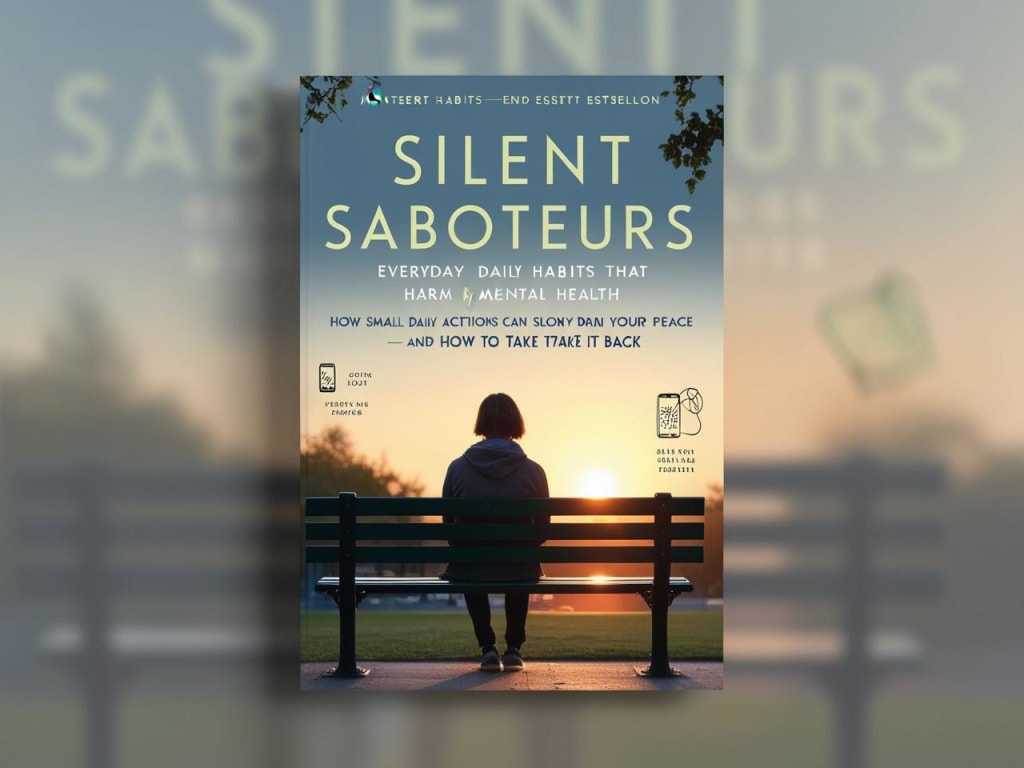
Silent Saboteurs: Everyday Habits That Harm Your Mental Health
Learn how small daily actions can quietly damage your peace of mind — and what to do instead.

We all have habits. Some help us grow, while others hold us back. What many people don’t realize is that some of the things we do every day, without thinking much about them, can actually hurt our mental health. These habits may seem harmless, but over time, they can build up and make us feel stressed, anxious, or even depressed.
Let’s explore some common habits that might be quietly messing with your mind — and how you can break free from them.
1. Always Comparing Yourself to Others
It’s so easy to fall into the trap of comparison, especially with social media showing the “perfect” lives of others. But remember — what you see online is often just a highlight reel. Constantly comparing yourself can make you feel like you're not good enough, even when you’re doing just fine. Instead, focus on your own journey. Everyone has their own pace, and that’s okay.
2. Not Getting Enough Sleep
Sleep isn’t just about resting your body. It’s also when your mind resets. Staying up too late, scrolling on your phone, or binge-watching shows might seem fun at the moment, but not getting enough sleep can lead to mood swings, anxiety, and low energy. Try setting a regular bedtime and sticking to it — your brain will thank you.
3. Bottling Up Your Feelings
Many people think being strong means keeping your feelings inside. But holding in emotions like sadness, anger, or fear can make things worse. Over time, those feelings pile up and can lead to emotional outbursts or mental exhaustion. It’s okay to talk to someone — a friend, family member, or a therapist. Sharing your feelings is a sign of strength, not weakness.
4. Always Saying Yes
Trying to please everyone might seem kind, but always saying yes can leave you overwhelmed and burned out. It’s important to set boundaries and protect your own peace. Saying “no” when you need to isn’t rude — it’s healthy.
5. Skipping Meals or Eating Poorly
What you eat affects how you feel. Skipping meals, eating too much junk food, or drinking too much caffeine can mess with your mood and energy. Try to eat regular meals with healthy foods — your mind and body are deeply connected.
6. Avoiding Physical Activity
Exercise doesn’t just help your body — it boosts your mood too. You don’t have to hit the gym every day. A simple walk, dancing to your favorite music, or stretching can release feel-good chemicals in your brain and help you feel more positive.
7. Spending Too Much Time on Screens
Screens are part of daily life — phones, laptops, TVs — but too much screen time can wear down your mental health. Constant notifications, endless scrolling, and late-night screen use can leave you feeling anxious, distracted, or even lonely. Try setting limits. Take breaks. Spend time offline doing something that calms or excites you, like reading, drawing, or going outside.

8. Ignoring Self-Care
Self-care isn’t just bubble baths and face masks — it’s doing things that make you feel safe, rested, and happy. Many people push their own needs aside, thinking they’re not important or that they don’t have time. But when you ignore self-care, stress builds up. Make time for yourself, even if it’s just 10 minutes a day. Do something that brings you joy or peace — you deserve it.
Final Thoughts
Mental health matters, and small daily habits can have a big impact. By becoming more aware of what you do and how it affects your mind, you can make better choices. Start small. Change one habit at a time. Your mental well-being is worth it.
About the Creator
Keep reading
More stories from Muhammad Farhad Khan and writers in Humans and other communities.
The Silent Power of Beauty
Beauty has a special kind of magic. It doesn’t need to speak, yet it can leave someone speechless. For many men, the beauty of a woman holds a deep and powerful impact—not just on their eyes, but on their hearts, minds, and even actions. But beauty is more than just looks. It's a feeling, a presence, and often something beyond words.
By Muhammad Farhad Khan8 months ago in Humans
Emotional Intimacy in the Digital Age:
Emotional Intimacy in the Digital Age: Why Connection Feels Harder Than Ever In an era of constant connectivity, emotional intimacy is quietly declining. People are more reachable than ever, yet many adults report feeling emotionally distant, misunderstood, or lonely.
By Artical Mediaa day ago in Humans
Miss Persephone's Manual to a Seemingly Ordinary Life
Miss Persephone was found at the dining table, her blue eyes swollen, her tears arriving and retreating like the tides of the ocean. Earlier that day, her family had visited her in the retirement home where she had lived for eight years. It was her eightieth birthday.
By Imola Tóth3 days ago in Fiction



Comments
There are no comments for this story
Be the first to respond and start the conversation.