
Emotional Intimacy in the Digital Age:
Why Connection Feels Harder Than Ever

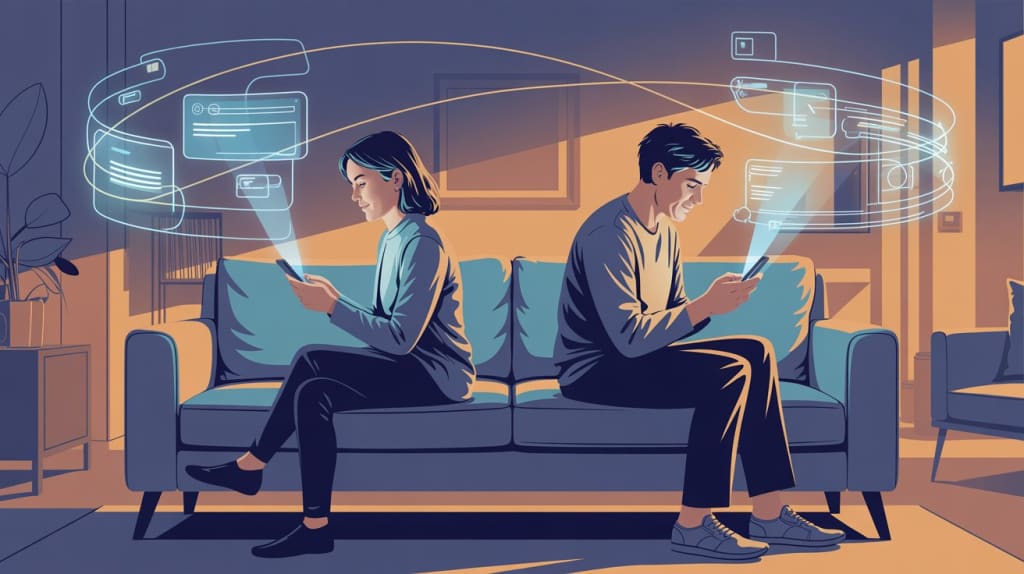
Emotional Intimacy in the Digital Age: Why Connection Feels Harder Than Ever
In an era of constant connectivity, emotional intimacy is quietly declining. People are more reachable than ever, yet many adults report feeling emotionally distant, misunderstood, or lonely.
Technology promised connection, but it also changed how relationships are formed, maintained, and experienced.
Understanding why emotional intimacy feels harder today is essential for building meaningful adult relationships.
What Emotional Intimacy Really Means
Emotional intimacy is not about constant communication or grand gestures. It is about feeling seen, heard, and emotionally safe with another person.
Key elements include:
* Honest self-expression
* Active listening
* Vulnerability without fear of judgment
* Mutual emotional support
Unlike physical attraction, emotional intimacy develops slowly and requires intention.
How Digital Life Changed Human Connection
Digital tools transformed communication speed, not emotional depth. Messages are shorter. Responses are faster. Attention is divided.
This shift creates challenges:
* Conversations become transactional.
* Emotional cues are lost in text.
* Difficult discussions are avoided rather than resolved.
Being “always online” does not mean being emotionally available.
The Illusion of Constant Connection
Social media creates the appearance of closeness. Likes, comments, and reactions replace meaningful dialogue.
This illusion can:
* Reduce motivation for deep conversations.
* Encourage emotional performance instead of authenticity.
* Create comparison-based insecurity.
People share highlights, not inner struggles. As a result, many adults feel connected to everyone but close to no one.
Fear of Vulnerability in Adult Relationships
Modern adults are more emotionally aware, yet more guarded. Past experiences, failed relationships, and online exposure increase self-protection.
Common fears include:
* Being misunderstood
* Appearing weak
* Losing independence
* Emotional rejection
Technology allows easy exit.
Ghosting replaces honest closure.
This avoidance weakens emotional resilience and trust.
Dating Apps and Emotional Shortcuts
Dating apps prioritize choice, speed, and visual appeal.
While efficient, they can reduce emotional investment.
Effects include:
* Treating people as options instead of individuals.
* Avoiding emotional depth until “certainty” appears.
* Expecting instant chemistry without emotional work.
Emotional intimacy requires time, patience, and emotional risk—things algorithms cannot optimize.
Emotional Burnout and Mental Overload
Modern adults are mentally exhausted. Work pressure, financial stress, and constant information flow reduce emotional energy.
When emotionally drained:
* People withdraw instead of connecting.
* Intimacy feels like effort rather than comfort.
* Emotional conversations are postponed indefinitely.
Intimacy cannot thrive without emotional availability.
The Role of Communication Quality
Emotional intimacy depends on how people communicate, not how often.
Healthy communication includes:
* Listening without interrupting
* Responding with empathy, not solutions
* Expressing needs clearly
* Allowing silence without discomfort
Digital communication often removes these qualities.
Voice, tone, and presence still matter.
Why Independence Can Block Intimacy
Modern culture values independence and self-sufficiency. While empowering, extreme independence can discourage emotional reliance.
Healthy intimacy does not eliminate independence. It balances autonomy with emotional interdependence.
Allowing someone to emotionally support you is not weakness. It is trust.
Rebuilding Emotional Intimacy in a Digital World
Emotional intimacy is a skill, not a personality trait. It can be rebuilt intentionally.
Practical steps:
* Schedule device-free conversations.
* Practice emotional honesty without over-explaining.
* Ask open-ended questions.
* Validate feelings before responding.
* Be present instead of multitasking.
Small, consistent actions rebuild emotional closeness over time.
The Importance of Emotional Literacy
Many adults were never taught how to express emotions. They learned productivity, not emotional awareness.
Emotional literacy involves:
* Naming feelings accurately
* Understanding emotional triggers
* Expressing needs calmly
* Respecting emotional boundaries
Improving emotional literacy strengthens every adult relationship.
Conclusion
Emotional intimacy feels harder today because modern life prioritizes speed over depth. Technology reshaped connection but weakened presence. Fear, fatigue, and digital habits created emotional distance.
Yet intimacy is not lost. It requires intention, courage, and emotional honesty.
In a digital world, choosing depth is a conscious act. Those who practice emotional presence will build stronger, more fulfilling adult connections.
About the Creator
Artical Media
my name is Neeru Verma+++
I am from Delhi In India.
I Working from Last Year Content Writing & Artical Writing.
Thank you.
For Reading My Articals.
Visit My Store:DIGIMARTS.redbubble.com
Keep reading
More stories from Artical Media and writers in Humans and other communities.
How Porn Culture Influences Expectations and Real Life
Pornography has become a mainstream cultural force in Western societies. High-speed internet, smartphones, and social platforms have made adult content instantly accessible. For many adults, porn is encountered long before real relationships begin. This early and repeated exposure shapes beliefs about sex, intimacy, bodies, and performance. Understanding its influence helps people separate fantasy from reality and build healthier connections.
By Artical Media2 months ago in Humans
Instant Soul Recognition: The Subtle Cues That Signal a Lifelong Connection.
In a world filled with fleeting encounters and surface-level interactions, meeting someone who feels instantly familiar can be a rare and profound experience. This phenomenon—often called recognizing a kindred spirit—goes beyond mere chemistry or shared interests. A kindred spirit is someone whose energy, values, outlook, and inner rhythm align so seamlessly with yours that it feels like your soul has encountered an old friend, even if you've just exchanged names.
By Wilson Igbasi2 days ago in Humans


Comments
There are no comments for this story
Be the first to respond and start the conversation.