
Signs of a Healthy Committed Relationship: Key Indicators
Discover key indicators of a thriving partnership and learn how to foster a strong, lasting connection.

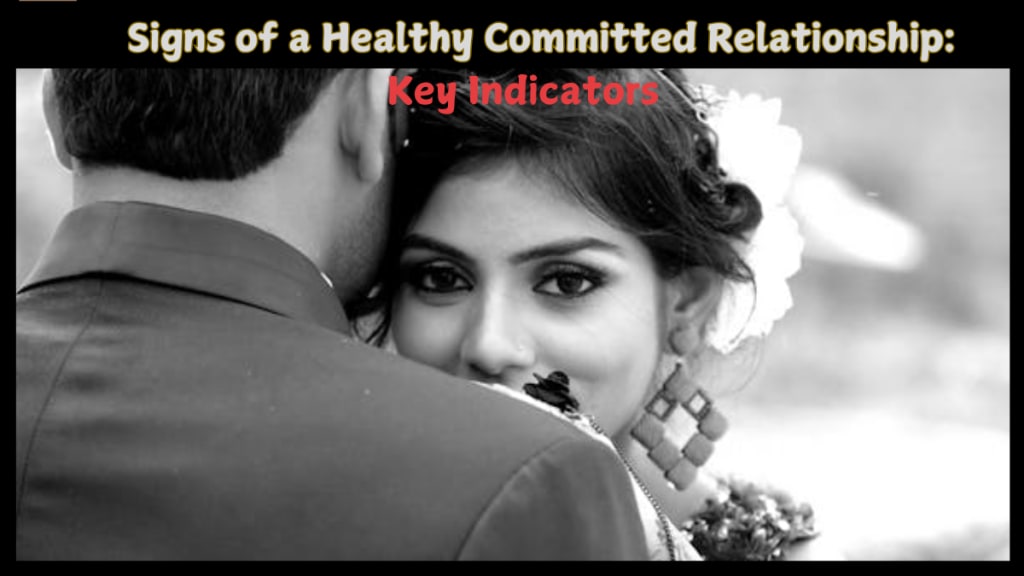
In the journey of love, recognizing the signs of a healthy committed relationship is essential for building a strong and lasting partnership. Healthy relationships are characterized by mutual respect, trust, and open communication. Understanding these key indicators can help you assess your relationship and ensure it’s on a positive path. This article will explore the essential signs of a healthy committed relationship and provide insights on how to foster these qualities.
What Is a Committed Relationship?
1. Defining Commitment
A committed relationship involves a mutual agreement between partners to prioritize each other and the relationship itself. This commitment is characterized by emotional investment, loyalty, and a shared desire to build a future together.
2. Importance of Healthy Commitment
Healthy commitment fosters a safe environment where both partners can grow individually and as a couple. It creates a strong foundation for navigating life’s challenges together, ensuring both partners feel valued and understood.

Key Indicators of a Healthy Committed Relationship
1. Open and Honest Communication
Why It Matters: Effective communication is the backbone of any healthy relationship. It allows partners to express their feelings, thoughts, and concerns without fear of judgment.
Signs of Good Communication:
- You feel comfortable sharing your thoughts and feelings openly.
- Both partners actively listen to each other and validate each other’s emotions.
- You can discuss difficult topics without escalating into conflict.
Tips for Enhancing Communication:
- Schedule regular check-ins to discuss your feelings and relationship dynamics.
- Use “I” statements to express your feelings, such as “I feel…” to avoid sounding accusatory.
- Practice active listening by summarizing what your partner says to show understanding.
2. Mutual Respect
Why It Matters: Respect is fundamental in a committed relationship. It ensures that both partners value each other’s opinions, boundaries, and individuality.
Signs of Mutual Respect:
- Both partners honor each other’s boundaries and personal space.
- You appreciate each other’s differences and support each other’s goals.
- Disagreements are handled respectfully without belittling or dismissing each other.
Tips for Fostering Respect:
- Acknowledge your partner’s achievements and strengths regularly.
- Encourage each other to pursue individual interests and hobbies.
- Practice gratitude by expressing appreciation for each other’s efforts.

3. Trust and Honesty
Why It Matters: Trust is the foundation of a healthy relationship. It allows partners to feel secure and confident in their commitment to each other.
Signs of Trust:
- You feel safe sharing your thoughts and vulnerabilities with your partner.
- Both partners are honest about their feelings and actions.
- You don’t feel the need to check each other’s phones or invade privacy.
Tips for Building Trust:
- Keep your promises and follow through on commitments.
- Address any insecurities or doubts openly with your partner.
- Be transparent about your feelings and intentions.
4. Emotional Support
Why It Matters: A healthy relationship involves providing emotional support to each other. Partners should feel comfortable turning to one another during challenging times.
Signs of Emotional Support:
- You actively listen to each other’s concerns and offer comfort.
- Both partners celebrate each other’s successes and provide encouragement.
- You can express your needs for support without hesitation.
Tips for Providing Emotional Support:
- Be present during difficult times and offer a listening ear.
- Validate each other’s feelings and let your partner know it’s okay to feel vulnerable.
- Engage in activities that strengthen your emotional bond, such as sharing hobbies or interests.

5. Healthy Conflict Resolution
Why It Matters: Conflict is a natural part of any relationship. How partners handle disagreements can significantly impact the relationship's health.
Signs of Healthy Conflict Resolution:
- You discuss disagreements calmly and respectfully.
- Both partners focus on finding solutions rather than assigning blame.
- You’re willing to compromise and find common ground.
Tips for Managing Conflict:
- Set ground rules for disagreements, such as avoiding name-calling or raising voices.
- Take breaks during heated discussions to cool down if necessary.
- Focus on the issue at hand rather than bringing up past grievances.
6. Shared Goals and Values
Why It Matters: Having shared goals and values strengthens the bond between partners and aligns their visions for the future.
Signs of Shared Goals and Values:
- You have discussed your long-term aspirations and agree on key aspects, such as family, career, and lifestyle.
- Both partners support each other’s individual goals while working towards common objectives.
- You actively plan for the future together, whether it’s travel, financial goals, or family planning.
Tips for Aligning Goals:
- Regularly discuss your individual and shared aspirations.
- Be open to adjusting your goals as both partners grow and evolve.
- Celebrate milestones together to reinforce your shared commitment.

7. Independence and Individuality
Why It Matters: A healthy relationship allows both partners to maintain their individuality. Supporting each other’s independence fosters personal growth and strengthens the bond.
Signs of Independence:
- Both partners feel comfortable pursuing their interests and spending time apart.
- You respect each other’s need for personal space and downtime.
- You encourage each other to grow individually while remaining supportive.
Tips for Encouraging Independence:
- Set aside time for personal pursuits and hobbies.
- Foster friendships outside of the relationship to maintain a support network.
- Communicate openly about your need for personal space.
8. Affection and Intimacy
Why It Matters: Physical affection and emotional intimacy are essential components of a healthy committed relationship. They help partners feel connected and valued.
Signs of Affection and Intimacy:
- You express love and affection through physical touch, such as hugs, kisses, and cuddling.
- Both partners feel comfortable discussing their needs and desires in terms of intimacy.
- You prioritize quality time together to strengthen your emotional connection.
Tips for Enhancing Intimacy:
- Make time for date nights or activities that allow for connection and closeness.
- Be open about your desires and preferences regarding physical and emotional intimacy.
- Explore new ways to connect, whether through shared hobbies or new experiences.
9. Fun and Laughter
Why It Matters: A healthy relationship should include joy, fun, and laughter. Sharing positive experiences strengthens the bond between partners.
Signs of Fun and Laughter:
- You enjoy spending time together and find joy in each other’s company.
- Both partners can joke and playfully tease each other without crossing boundaries.
- You create memories together through shared experiences and adventures.
Tips for Keeping the Fun Alive:
- Plan regular date nights or spontaneous outings to break the routine.
- Share funny stories or reminisce about enjoyable moments together.
- Engage in activities that make you both laugh and bring joy.

10. Commitment to Growth
Why It Matters: A commitment to personal and relational growth is essential for a lasting partnership. Healthy relationships evolve as both partners develop.
Signs of Commitment to Growth:
- You actively seek ways to improve the relationship and address issues constructively.
- Both partners are open to feedback and willing to make changes for the relationship’s health.
- You support each other’s personal growth and encourage self-improvement.
Tips for Fostering Growth:
- Set relationship goals together and regularly assess your progress.
- Attend workshops or read books on relationships to enhance your skills.
- Be open to change and adapt as necessary to navigate life’s challenges together.
Conclusion
Recognizing the signs of a healthy committed relationship is crucial for cultivating a strong and lasting partnership. By prioritizing open communication, mutual respect, trust, and emotional support, you can create a nurturing environment where both partners thrive. Remember that relationships require ongoing effort, and regularly assessing these key indicators can help you maintain a healthy and fulfilling connection.
Key Takeaways
- Open Communication: Foster honest and clear dialogue.
- Mutual Respect: Honor each other’s boundaries and individuality.
- Trust and Honesty: Build a foundation of security and transparency.
- Healthy Conflict Resolution: Address disagreements constructively.
By focusing on these signs and nurturing each aspect of your relationship, you can enjoy a fulfilling and resilient partnership that stands the test of time.
References:
1- https://tinyurl.com/m2yxm89e
2- https://tinyurl.com/3bnxsmfs
Special Thanks Note
I would like to extend my heartfelt thanks to Unsplash for providing such an incredible collection of high-quality images that enhanced this article. Your platform has made it easy for creators like me to find stunning visuals that perfectly complement our work. The generosity of talented photographers sharing their art helps inspire and elevate content, making it more engaging for readers. Thank you, Unsplash, for your invaluable contribution to the creative community!
About the Creator
Abdul Jamil Nasir
Hello! I’m Abdul Jamil Nasir, a passionate writer exploring life, love, and culture. I focus on relationships, personal growth, and human emotions, believing in the power of words to inspire and connect with readers.
Keep reading
More stories from Abdul Jamil Nasir and writers in Humans and other communities.
Signs You're Ready for a Committed Relationship
Entering a committed relationship is a significant step in anyone's life. It involves emotional investment, mutual trust, and the willingness to grow together. But how do you know if you're truly ready for this commitment? In this article, we’ll explore the signs that indicate you’re prepared for a committed relationship, providing insights and practical guidance to help you evaluate your readiness.
By Abdul Jamil Nasirabout a year ago in Humans
A Historic Declaration
We the People of the Husbands of the United States of America, in Order to form a more perfect Union, and I mean you...with me...establish Justice, insure domestic Tranquility, provide for the common defence, promote the general Welfare, and secure the Blessings of Liberty to ourselves, after Puberty, do ordain and establish this Declaration of Co-Dependence.
By Gerard DiLeo11 days ago in Humans
First Date Strategies Help Singles Build Rapport Trust And Connection
The first date should be prepared. The advantage of pre-reflection on the expectation, interests, and boundaries is beneficial to singles. Being aware of own goals in the date assists in steering the dialogue and actions as well as alleviating anxiety. Mental preparedness also enables people to come out themselves in the real sense and have the confidence to do so.
By Mark Hipsterabout 4 hours ago in Humans
REEEEEEEEE!
I'm on a low road right now. There are a literal million things to do and not one of them worth my time. I would rather sit in place and burn but the orbit takes me on its inevitable route 'round the center; and I a center in my own right, around which others orbit, and so on and so forth, ad infinitum, ad nauseum.
By C. Rommial Butler7 days ago in Poets



Comments
There are no comments for this story
Be the first to respond and start the conversation.