
"Sharper for Longer: How to Reduce Brain Ageing and Stay Mentally Fit"
Simple Habits and Scientific Ways to Keep Your Mind Young

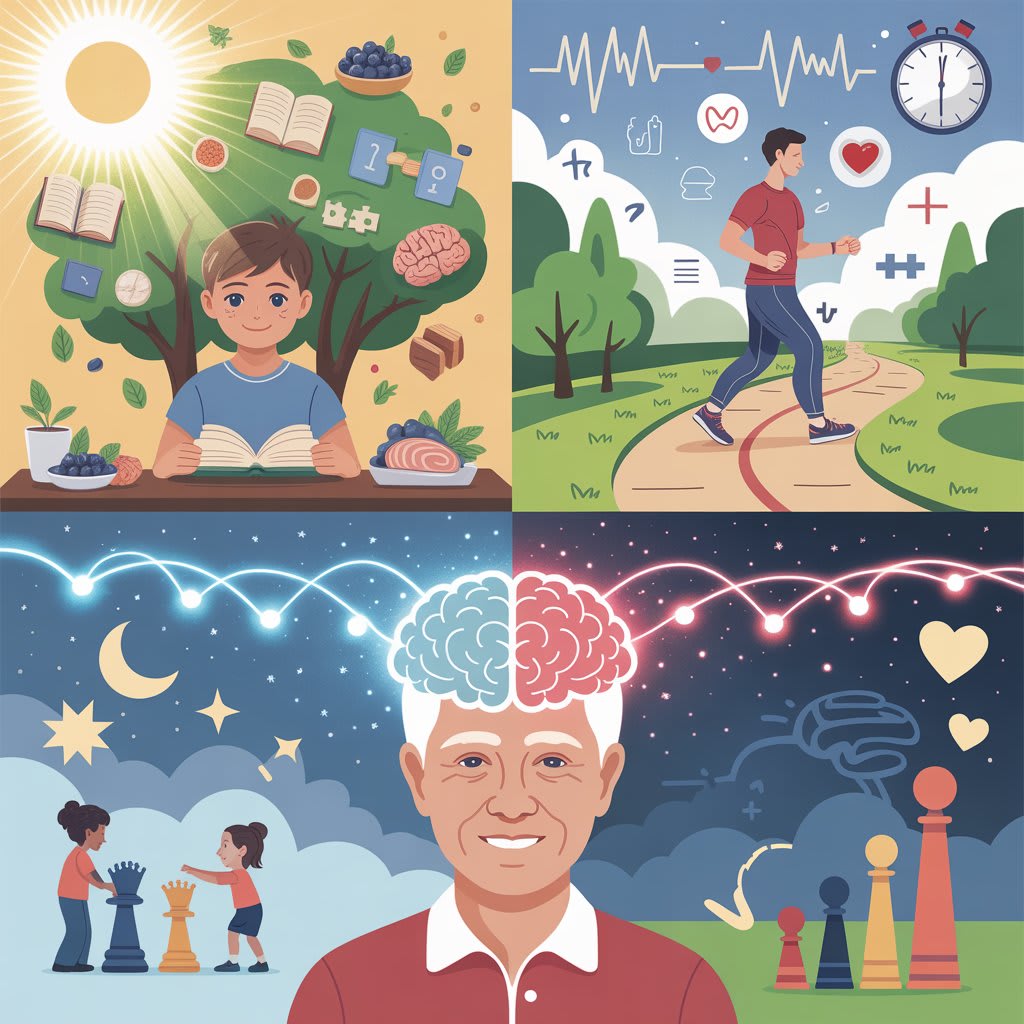
Introduction
The human brain is one of the most powerful organs in our body. It stores our memories, helps us think, solve problems, make decisions, and guides us through every moment of life. But like every other part of the body, the brain also ages. As we grow older, many people begin to experience memory problems, slower thinking, and reduced focus. However, brain ageing is not completely out of our control.
Thanks to modern research, we now know that there are many effective ways to slow down brain ageing. By following a few simple and consistent habits, we can protect our brain, strengthen our memory, and keep our minds fresh and alert—even as we grow older.
1. Keep Learning New Things
Your brain is like a muscle—the more you use it, the stronger it gets. Learning something new keeps your brain active and creates new connections between brain cells.
Tips:
Learn a new language or musical instrument.
Take online courses in something you find interesting.
Try puzzles, crosswords, or logic games like chess.
Read books on topics outside your usual interests.
This not only keeps your brain sharp but also increases your confidence and creativity.
2. Stay Physically Active
Exercise doesn’t just benefit your body—it’s one of the best things you can do for your brain. Physical activity increases blood flow to the brain, reduces stress, and stimulates the release of chemicals that help new brain cells grow.
Try this:
Brisk walking or jogging for 30 minutes a day.
Yoga and stretching, which also reduce mental stress.
Dancing or aerobic exercise that combines movement and memory.
Regular movement helps your brain stay young and alert.
3. Eat a Brain-Boosting Diet
Your brain needs fuel—just like your body. Eating nutritious food can protect against memory loss and mental decline.
Best foods for brain health:
Fatty fish like salmon, tuna, and sardines (rich in Omega-3).
Leafy greens like spinach, kale, and broccoli.
Berries (like blueberries and strawberries) which are full of antioxidants.
Nuts and seeds, especially walnuts and flaxseeds.
Turmeric, green tea, and dark chocolate in moderation.
Avoid processed foods, refined sugars, and too much salt—they can damage brain cells over time.
4. Get Quality Sleep
Sleep is like a cleaning system for your brain. During deep sleep, the brain removes waste, repairs itself, and strengthens memory.
Tips for better sleep:
Aim for 7–9 hours of sleep each night.
Avoid screens (TV, phones) 1 hour before bed.
Maintain a regular sleep routine—even on weekends.
Keep your room dark, cool, and quiet.
Lack of sleep can cause mood swings, forgetfulness, and slow thinking.
5. Stay Socially Connected
Spending time with others keeps your mind sharp and your heart happy. Social activities reduce loneliness and reduce the risk of depression and dementia.
How to stay connected:
Visit or call friends and family regularly.
Join local clubs, community centers, or religious groups.
Volunteer your time and skills.
Play games or chat with your grandchildren.
Conversation, laughter, and companionship are powerful brain boosters.
6. Manage Stress
Chronic stress damages the hippocampus—the part of the brain responsible for memory. It also causes brain fog and mood problems.
Simple ways to reduce stress:
Practice deep breathing, meditation, or prayer.
Write in a journal or take a nature walk.
Listen to calming music.
Avoid overworking or overthinking.
Even a few minutes of calm daily can protect your mental health.
7. Avoid Brain-Damaging Habits
Certain substances and behaviors can age your brain quickly.
Avoid or reduce:
Smoking (which narrows blood vessels in the brain).
Alcohol (which affects memory and mood).
Head injuries—always wear helmets when necessary.
Excessive use of medications or recreational drugs.
Protect your brain like you would protect your heart or eyes.
8. Keep Your Heart Healthy
Whatever is good for your heart is good for your brain. Proper blood circulation ensures the brain gets oxygen and nutrients.
To maintain heart and brain health:
Control blood pressure and cholesterol.
Manage blood sugar levels.
Exercise regularly and eat heart-friendly foods.
Get regular medical check-ups.
A strong heart helps support a sharp mind.
Conclusion
Brain ageing may be natural, but that doesn’t mean it’s unstoppable. By making conscious daily choices—learning, moving, eating well, sleeping deeply, connecting with others, and reducing stress—you can slow down the brain’s ageing process and enjoy a vibrant mental life at any age.
Start small, stay consistent, and remember: it’s never too late to give your brain a younger, stronger future.
About the Creator
Keep reading
More stories from Zain Ul Abedin Khan and writers in Humans and other communities.
Healing Upward and Outward
Healing Upward and Outward Reconciliation is repairing the broken threads that connect us. These threads reach in two directions: up and out. First, we must consider the vertical dimension: our internal self and our relationship with the Divine. Before we can reach out to others, we are called to look inward and sit in the quiet, sometimes uncomfortable light of self-reflection. We must ask, “Where have we stumbled or contributed to a fracture?”
By Archery Owl 7 days ago in Humans


Comments
There are no comments for this story
Be the first to respond and start the conversation.