
Shane Windmeyer on Title IX Exemptions: The Harm to LGBTQ+ Athletes and Students
Why the misuse of religious exemptions undermines civil rights and equal opportunity in education and sports

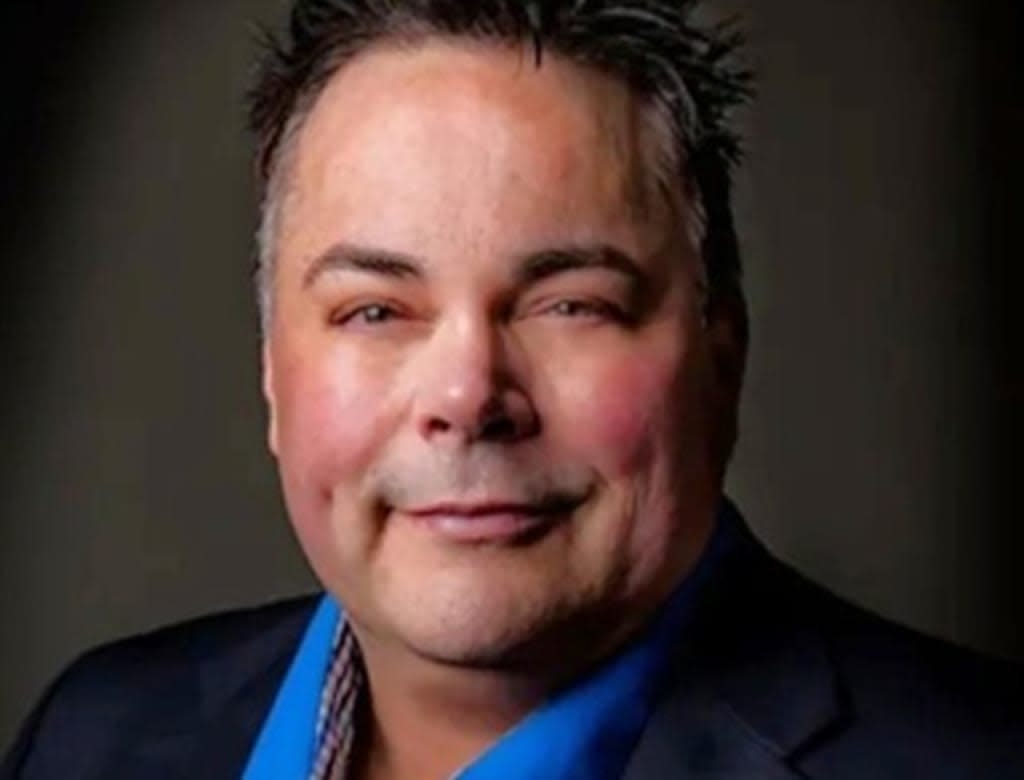
In a powerful Op-Ed for Outsports, civil rights advocate and DEI strategist Shane Windmeyer lays bare the human cost of Title IX religious exemptions when they are used to justify discrimination against LGBTQ+ students and athletes. His essay sheds light on how a law originally designed to dismantle sex-based discrimination is being warped into a tool for exclusion — leaving some of the most vulnerable students behind.
What Title IX Was Meant to Do
Title IX of the Education Amendments of 1972 was enacted to prohibit discrimination on the basis of sex in educational programs or activities that receive federal funding. Originally, its intent was to ensure that no student would be deterred from participation, denied benefits, or subjected to discrimination simply because of their sex.
Over time, Title IX has become synonymous with expanded opportunity, especially in athletics where schools are required to offer equal opportunity and treatment to male and female athletes.
What many do not realize, however, is that the law also includes a provision allowing certain institutions — particularly religious ones — to claim exemptions to specific requirements of Title IX.
From Protection to Exemption: How Title IX Is Being Misused
In his Outsports Op-Ed, Shane Windmeyer argues that these exemptions were originally intended as limited safeguards for religious freedom. But today, they are being exploited to justify discrimination against LGBTQ+ students — including promising student-athletes — under the guise of “religious belief.”
Windmeyer centers the story of Marcus Hansen, a standout defensive end who was allegedly removed from the Harding University football team after coaches discovered he is gay. Marcus, who excelled on the field and in the classroom, had no idea Harding operated with a Title IX religious exemption that allows it to discriminate against LGBTQ+ students.
What is most troubling, Windmeyer notes, is that institutions are not required to disclose these exemptions to students or families during recruitment, housing assignments, athletics commitments, or financial aid offers — leaving many young people blindsided when they arrive on campus.
The Real Human Cost
The impact of this misuse isn’t just legal or philosophical — it’s deeply personal. Windmeyer emphasizes that when LGBTQ+ students are forced to hide their identities or risk losing scholarships, housing, and academic opportunities, colleges become places of fear rather than growth. Many students transfer, abandon their degrees, or drop out entirely, undermining not only their education but also their physical and mental well-being.
Athletic participation adds an extra layer of consequence. For student-athletes, playing sports is often tied to financial aid, housing, healthcare access, even future career opportunities. Being excluded means not just losing a team spot — it means losing a future.
Why This Matters Now
This moment in higher education is particularly dangerous for LGBTQ+ students, Windmeyer writes. Nationwide, LGBTQ resource centers are closing on campuses, safe spaces are disappearing, and mental-health pressures are rising. Without basic protections, students are effectively forced back into silence and invisibility in order to stay enrolled.
Further complicating the landscape is the fact that Title IX itself has been subject to shifting federal interpretations. While recent federal guidance has expanded protections to include sexual orientation and gender identity as a form of sex discrimination, enforcement is inconsistent and politically fraught, and exemptions remain a major loophole.
Religious exemptions have been granted to roughly two hundred private colleges — many of which still receive federal funding — allowing them to sidestep key Title IX protections. These waivers can encompass admissions, housing, financial aid, and especially athletics — an area Windmeyer underscores as essential to student opportunity.
The Call to Action
Windmeyer’s Op-Ed is more than a recounting of injustice — it is a call to action. He argues that it is no longer acceptable for taxpayer-funded discrimination to hide behind religious exemption claims. Instead, he urges:
- Full disclosure of Title IX exemptions to students and families before enrollment.
- Protections for LGBTQ+ athletes that cannot be overridden by institutional exemptions.
- Public accountability for institutions that use federal law to harm students.
- A renewed commitment to believing that discrimination — in athletics or academics — should not be shielded by doctrine.
For Windmeyer, religious belief is deeply personal — but discrimination is not doctrine. No single institution’s interpretation of faith should dictate whether a student is afforded dignity, safety, and equal opportunity.
A Broader Civil Rights Perspective
Under long-standing Department of Education interpretation, Title IX’s protections against sex discrimination have included protections for gender identity and sexual orientation. This means that denying equal athletic participation or educational opportunity on the basis of LGBTQ+ status can be viewed as discriminatory under Title IX’s mandate that schools “may not... discriminate on the basis of sex.”
Yet, as Windmeyer highlights, the existence of exemptions creates a patchwork of rights that varies widely across colleges. Students at public institutions or non-exempt private schools may enjoy robust protections, while those at exempt schools are left unprotected despite attending taxpayer-supported institutions.
Conclusion: Inclusion Is Not a Luxury
In his Outsports commentary, Shane Windmeyer makes a compelling case that Title IX’s religious exemptions have moved far beyond their original scope and are now being used in ways that directly harm LGBTQ+ students and athletes. His call for transparency, accountability, and rights protection is rooted in decades of experience advocating for inclusive and equitable educational environments.
As the national debate over equity in education and athletics continues, Windmeyer’s voice underscores a fundamental truth: equal opportunity should not be contingent on where a student enrolls or which institution’s religious beliefs are invoked. If education and athletic participation are truly meant to be open to all — as Title IX envisioned — then discriminatory exemptions must be exposed, challenged, and ultimately reformed.
About the Creator
Shane Windmeyer
Shane Windmeyer is a nationally respected DEI strategist and author who has spent decades helping institutions rethink how they lead, listen, and build cultures that last.
Keep reading
More stories from Shane Windmeyer and writers in Humans and other communities.
Shane Windmeyer Strengthens National DEI Landscape With Expanded Strategic Consulting Designed for Today’s Workplace
The workplace climate in the United States is shifting in ways that many leaders did not anticipate. New laws are influencing what organizations can discuss. Public debates around identity and belonging have intensified. Hybrid work environments have changed the way teams connect and communicate. Employees are asking more pointed questions about safety, fairness, and transparency. Leaders are feeling the weight of these expectations while trying to maintain operational stability. In the middle of so much change, many organizations are discovering that they need guidance rooted in clarity rather than confusion.
By Shane Windmeyerabout a month ago in Humans
Trump’s Proposed Credit Card Cap Spotlights Americans’ Debt. Would It Help
Credit card debt in the United States has reached staggering levels, and former President Donald Trump’s latest proposal aims to tackle the issue head-on. According to his plan, banks and credit card companies would face a cap on the interest rates they can charge consumers. At first glance, this sounds like a straightforward solution to a growing problem, but a closer look reveals the complexity of America’s debt landscape and the challenges any policy must navigate to be truly effective. The Debt Dilemma As of late 2025, Americans collectively owe more than $1.2 trillion in credit card debt, a record high. Household debt has steadily risen over the past decade, fueled by stagnant wages, inflation, and the rising cost of essentials such as housing, healthcare, and education. For many, credit cards are no longer a convenience—they’re a lifeline, a way to bridge the gap between income and expenses. Trump’s proposal seeks to limit the annual percentage rates (APRs) that credit card companies can charge. Supporters argue that high interest rates trap consumers in a vicious cycle of debt, where paying off balances becomes nearly impossible. Critics, however, caution that such caps could have unintended consequences, like discouraging banks from issuing credit to higher-risk borrowers, potentially leaving some consumers without access to necessary financial tools. How Would the Cap Work? The proposed plan would implement a maximum APR on all credit card accounts, though the exact percentage has yet to be publicly finalized. The intent is to provide relief to the roughly 40% of American households carrying balances month-to-month, many of whom pay rates exceeding 20% annually. In theory, capping interest rates would reduce the financial burden on these borrowers. A consumer carrying a $5,000 balance with a 25% APR could save hundreds or even thousands of dollars in interest payments over a year if rates were capped at, say, 15%. For families living paycheck to paycheck, this could be the difference between staying afloat and defaulting. Potential Benefits Immediate Relief for Borrowers: Lower interest rates would allow more of each monthly payment to go toward the principal, helping people pay off debt faster. Reduced Financial Stress: For Americans struggling to cover minimum payments, a cap could ease anxiety and improve mental well-being. Consumer Protection: High-interest credit cards disproportionately affect lower-income households, so a cap could make the system fairer. Some economists argue that even a modest reduction in interest rates could have a ripple effect on the broader economy. If consumers spend less on interest and more on goods and services, it could stimulate demand, benefiting businesses and potentially supporting job growth. The Risks and Trade-Offs While the benefits sound compelling, implementing a credit card cap is not without risks: Credit Access Might Shrink: Banks may respond to lower allowable interest rates by tightening lending standards. Those with lower credit scores could find it harder to qualify for cards, leaving them with fewer options to manage expenses. Fees Could Rise: Financial institutions might offset lower interest rates by increasing annual fees, late fees, or other charges. The net effect for consumers could be less favorable than expected. Innovation May Stall: Banks and fintech companies often use interest rates to price risk. Limiting this flexibility could reduce incentives to develop new financial products tailored to consumer needs. These challenges highlight the tension between protecting consumers and maintaining a functional credit system. Any policy must balance relief with sustainability to avoid unintentionally hurting those it aims to help. Why Americans Are Paying Attention Trump’s proposal comes at a politically charged moment. Inflation may have eased slightly, but wages haven’t kept pace with costs, and household debt remains a pressing concern. A recent survey found that nearly 60% of Americans worry about their ability to manage monthly credit card payments. With the midterm elections on the horizon, proposals like this gain traction because they resonate with voters’ everyday struggles. For many Americans, credit card debt is more than just numbers on a statement—it’s a source of stress, a limitation on lifestyle choices, and an obstacle to long-term financial goals. Limiting interest rates could provide tangible relief and signal that policymakers are paying attention to these challenges. Historical Context Interest rate caps are not a new idea. In the 1970s and 1980s, states implemented various usury laws to limit how much lenders could charge. While some measures helped consumers, others inadvertently restricted access to credit. The mixed outcomes underscore the importance of careful implementation and oversight. Modern proposals, including Trump’s, aim to avoid these pitfalls by targeting specific consumer protections while attempting to preserve lending options. How successful this approach will be remains to be seen. Would It Actually Help? Experts suggest that a credit card cap alone will not solve America’s debt problem. While it could provide temporary relief for many, it doesn’t address the underlying issues driving debt growth, such as wage stagnation, high living costs, and insufficient financial education. However, as part of a broader strategy—including financial literacy programs, better consumer protections, and support for savings and emergency funds—it could be an important step. Lower interest rates may prevent people from spiraling into unmanageable debt while giving them breathing room to regain control of their finances. Conclusion Trump’s proposed credit card cap shines a spotlight on a critical issue: Americans are struggling under the weight of mounting debt, and immediate relief could be life-changing for millions. While the plan has potential benefits, it is not a silver bullet. Policymakers must carefully weigh the trade-offs to ensure the solution helps those in need without creating new problems. Ultimately, the conversation sparked by this proposal may be just as valuable as the policy itself. It forces a national discussion on debt, fairness, and financial security—a conversation that affects nearly every household in the country. As Americans navigate a complex financial landscape, thoughtful solutions, whether through interest caps or broader reforms, are essential to creating a more equitable and manageable path toward financial stability.
By Muhammad Hassana day ago in Humans




Comments
There are no comments for this story
Be the first to respond and start the conversation.