
Shaking the Earth: Understanding the Power of Earthquakes
Unleashing Nature's Fury: Exploring the Causes and Consequences of Earthquakes
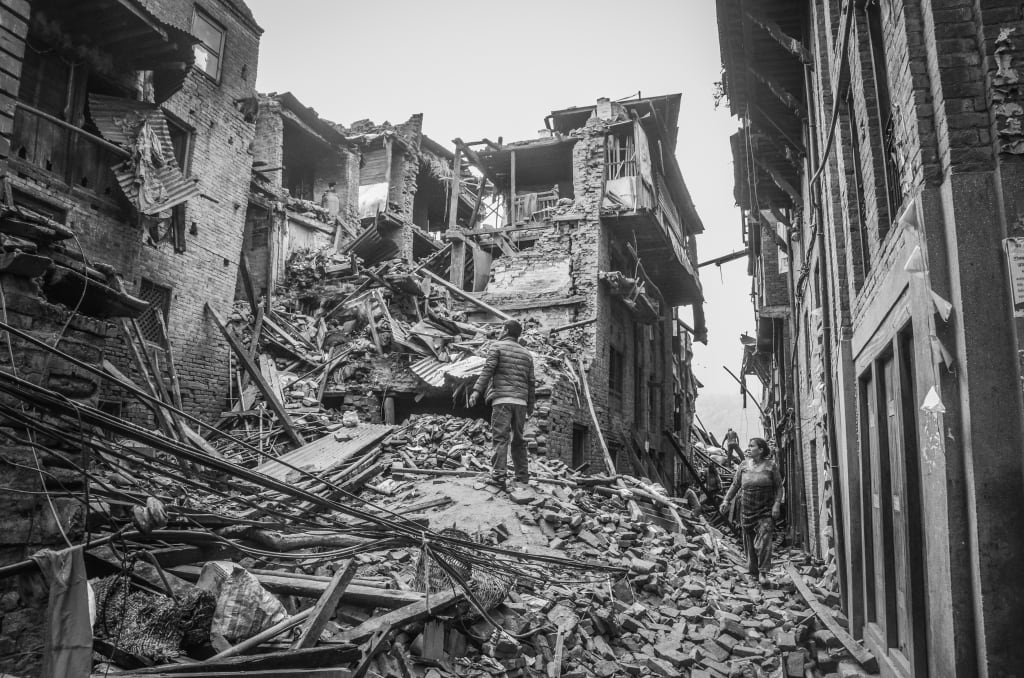
Today I wanted to write something about the earthquake. Because in the morning, there was a big earthquake in Kahramanmaraş city in Turkey and this earthquake was effective in 10 cities. Who knows how much destruction and loss of life it caused. And the biggest reason for these great destructions, in my opinion, is being unconscious. That's why I felt the need to write this article in order to correct or remember the wrong known truths.
Earthquakes are a natural phenomenon that have been occurring for billions of years. They are caused by the movement of tectonic plates, which make up the Earth's crust, and can result in catastrophic damage and loss of life. Understanding the power of earthquakes and how they are caused is crucial in order to prepare for and mitigate their impacts.
An earthquake is caused by the release of energy stored in the Earth's crust, which results in seismic waves that travel through the ground. This energy is generated by the movement of tectonic plates, which are large slabs of the Earth's crust that move in response to the forces acting on them. When two plates come into contact, they can become stuck, and the energy that builds up over time is eventually released as an earthquake.
The magnitude of an earthquake is a measure of its energy release, and it is typically measured using the Richter scale. Earthquakes can range in magnitude from small, barely noticeable events to catastrophic events that can cause widespread damage and loss of life. The most powerful earthquakes in recorded history have had magnitudes greater than 9.0, and these events have the potential to cause significant damage over large areas.
One of the key factors that determine the impact of an earthquake is its location. Earthquakes that occur near populated areas can result in significant damage to buildings and infrastructure, and can also result in loss of life. The type of soil or rock that the seismic waves travel through can also have an impact on the damage caused by an earthquake. Soft soils, for example, can amplify the seismic waves, leading to increased damage in the area.
There are several measures that can be taken to prepare for and mitigate the impacts of earthquakes. Building codes can be updated to ensure that new buildings are constructed to withstand earthquakes, and existing buildings can be retrofitted to improve their resistance to seismic activity. Emergency preparedness programs can also help communities to respond quickly and effectively to earthquakes, reducing the impact on people and the environment.
In conclusion, earthquakes are a powerful and often unpredictable natural phenomenon that can result in significant damage and loss of life. Understanding the causes and impacts of earthquakes is crucial in order to prepare for and mitigate their impacts. By taking steps to improve our preparedness and by updating building codes and emergency preparedness programs, we can help to reduce the impact of earthquakes on people and the environment.

What are the precautions to be taken against earthquake?
Earthquakes are a natural phenomenon that can cause widespread damage and loss of life. While it is impossible to prevent earthquakes from occurring, there are measures that can be taken to reduce their impact. The following are some of the most effective measures for reducing the damage caused by earthquakes.
Building Code Compliance: Building codes play a crucial role in reducing the impact of earthquakes on structures. Building codes specify the minimum requirements for new and existing structures, including the use of seismic-resistant materials, design and construction techniques, and the installation of seismic protection systems. Building code compliance ensures that new structures are built to withstand earthquakes, and existing structures can be retrofitted to improve their resistance to seismic activity.
Emergency Preparedness: Emergency preparedness is essential in the event of an earthquake. Having an emergency plan in place can help individuals and communities to respond quickly and effectively to earthquakes, reducing the impact on people and the environment. Emergency preparedness should include evacuation plans, emergency supplies, and training on earthquake preparedness.
Risk Assessment and Mitigation: Risk assessment and mitigation are important steps in reducing the impact of earthquakes. This involves identifying potential earthquake hazards, evaluating the likelihood and consequences of these hazards, and taking steps to reduce the risk of damage. This can include measures such as seismic retrofitting, relocation of critical facilities, and the development of early warning systems.
Public Awareness: Public awareness is crucial in reducing the impact of earthquakes. Educating the public about earthquake preparedness, the importance of building code compliance, and the need for emergency preparedness can help to reduce the impact of earthquakes. Public awareness campaigns can also help to raise awareness of the potential dangers posed by earthquakes and the steps that can be taken to reduce the risk of damage.
Research and Development: Research and development play a key role in reducing the impact of earthquakes. This includes developing new building materials, construction techniques, and seismic protection systems, as well as improving the accuracy of earthquake forecasting and early warning systems. By investing in research and development, we can improve our understanding of earthquakes and develop more effective measures for reducing their impact.
In conclusion, earthquakes are a natural phenomenon that can cause significant damage and loss of life. While it is impossible to prevent earthquakes from occurring, there are measures that can be taken to reduce their impact. Building code compliance, emergency preparedness, risk assessment and mitigation, public awareness, and research and development are all important steps in reducing the impact of earthquakes. By taking these measures, we can help to reduce the impact of earthquakes on people and the environment.
About the Creator
Tolga Bozdağ
I am an amateur writer and I share articles about topics that interest me. I hope you enjoy reading it.
Keep reading
More stories from Tolga Bozdağ and writers in Humans and other communities.
Feel Your Best: Simple Habits for a Healthier, Happier You
Do you want to feel your best every day? Making small changes to your daily habits can have a big impact on your physical and mental well-being. Here are some simple habits you can adopt to improve your health and happiness.
By Tolga Bozdağ3 years ago in Humans
10 Best Sugar Daddy Dating Sites in Europe to Meet European Sugar Daddies (2026 Guide)
The Best Sugar Daddy Dating Sites in Europe to Meet European Sugar Daddies have become increasingly popular as modern relationships evolve and people look for mutually rewarding connections across different European countries. In recent years, sugar dating has grown into a well-known lifestyle where successful, generous men connect with attractive companions who appreciate mentorship, lifestyle upgrades, and meaningful companionship. Across cities such as Paris, London, Berlin, Milan, and Madrid, wealthy professionals are turning to specialized dating platforms to meet compatible partners who understand the dynamics of sugar relationships. These websites provide structured environments where expectations are clear, communication is open, and both individuals can explore connections that blend romance, lifestyle benefits, and emotional companionship.
By Mark Hipstera day ago in Humans
The First Rainbow Baby
Pitter-patter, pitter-patter. The rain fell in rhythmic splatters, slowly slowing, but still constant. Mira rolled onto her side pulling the blanket tight against her ears, but still she could hear chitter-chatter and scurrying feet of the creatures that refused to sleep in the lower decks.
By A. J. Schoenfeld3 days ago in Fiction


Comments
There are no comments for this story
Be the first to respond and start the conversation.