
Rhinoplasty: What to Expect Before, During, and After Surgery
Plastic Surgery
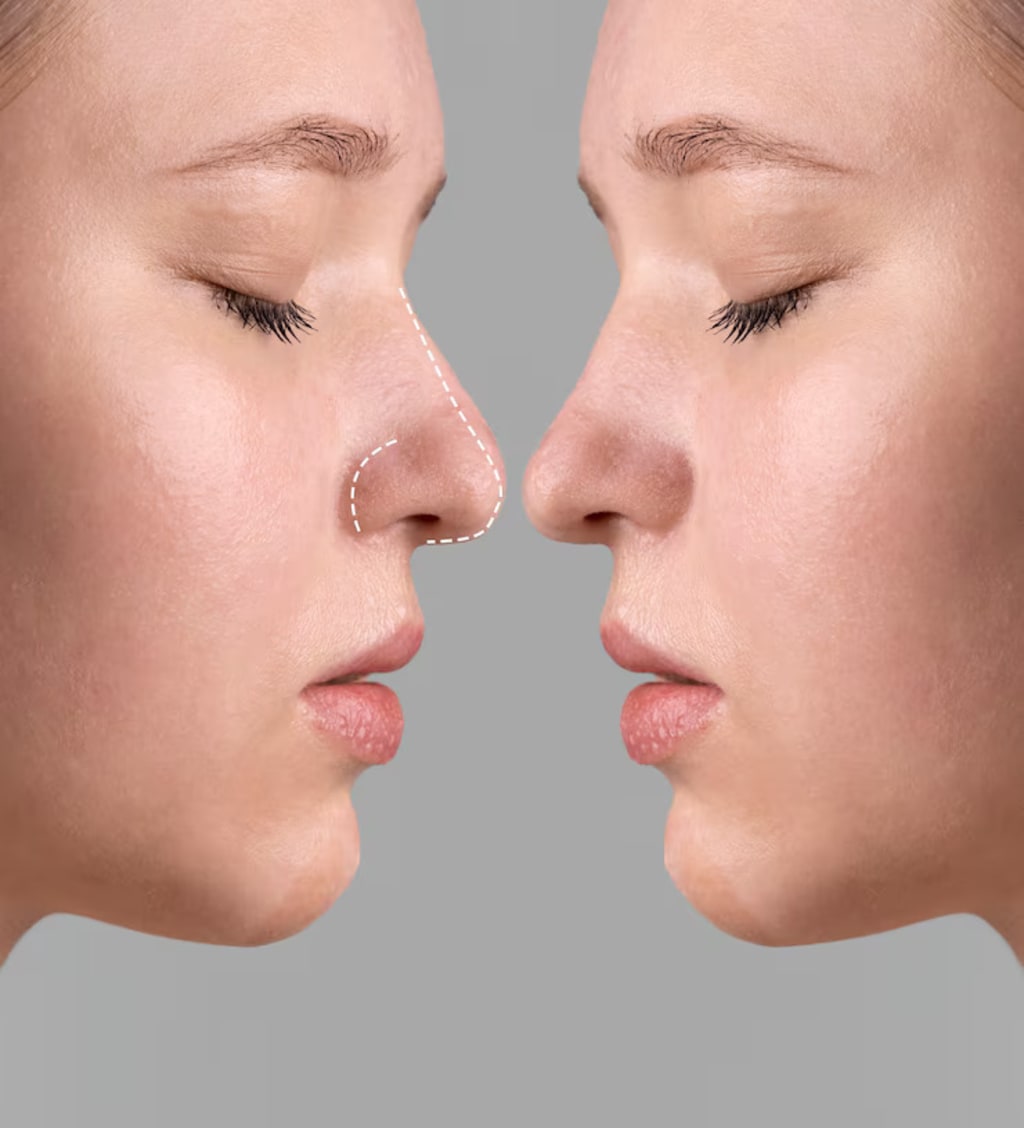
Rhinoplasty, commonly known as a nose job, is one of the most sought-after cosmetic surgeries globally. It can be performed for cosmetic reasons, functional improvement, or a combination of both, helping individuals achieve the nose shape and function they desire. However, deciding to undergo rhinoplasty is a significant decision that requires an understanding of the procedure, its risks, and the recovery process. This blog provides a comprehensive overview of what you can expect before, during, and after rhinoplasty surgery.
For those considering rhinoplasty in Navi Mumbai, Restore Clinic, led by the experienced Dr. Ashish Sangvikar, provides tailored consultations and high-quality care throughout the entire rhinoplasty journey. Clinic’s approach ensures that patients are fully informed and comfortable, enabling them to make confident decisions about their surgery.
What to Expect Before Rhinoplasty Surgery
1. Initial Consultation
The first step in your rhinoplasty journey is a consultation with a qualified surgeon. During this meeting, you’ll discuss your goals and expectations, whether they are aesthetic, functional, or both. Understanding each patient’s unique needs, assess the nose’s structure, and discuss potential outcomes.
2. Medical Evaluation
Before surgery, your surgeon will perform a thorough medical evaluation to determine your overall health and suitability for rhinoplasty. This evaluation typically includes:
- Reviewing your medical history, including any previous surgeries, allergies, or medical conditions.
- Performing a physical examination of your nose, including the skin type, structure, and any breathing issues.
- Taking photographs of your nose from different angles to plan the surgery and track progress.
3. Setting Realistic Expectations
Setting realistic expectations is crucial for a positive rhinoplasty experience. While rhinoplasty can enhance facial harmony and improve breathing, it’s essential to understand that there are limits to how much a nose can be reshaped.
4. Pre-Operative Preparation
Your surgeon will provide detailed pre-operative instructions, including:
- Avoiding certain medications and supplements that may increase bleeding risk.
- Quitting smoking several weeks before and after surgery to promote healing.
- Arranging transportation and support for the day of surgery and initial recovery.
The Rhinoplasty Procedure: What Happens During Surgery
Rhinoplasty is typically performed as an outpatient procedure, which means you’ll go home the same day. The surgery can take anywhere from 1.5 to 3 hours, depending on the complexity.
1. Anesthesia
The procedure usually involves general anesthesia or local anesthesia with sedation, ensuring a painless experience. Your surgeon will discuss which option is best for you based on your needs and health.
2. Incisions and Technique
There are two main techniques for rhinoplasty:
- Closed Rhinoplasty: Incisions are made inside the nostrils, leaving no visible scars. This method is generally used for minor adjustments.
- Open Rhinoplasty: An incision is made across the columella (the tissue between the nostrils), allowing the surgeon better access to the nasal structure. This technique is preferred for complex reshaping.
During surgery, the surgeon may:
- Reshape the nasal bone and cartilage to achieve the desired structure.
- Remove or add tissue to enhance or reduce the nose’s size and shape.
- Correct structural problems like a deviated septum to improve breathing.
What to Expect After Rhinoplasty Surgery
1. Immediate Recovery
After surgery, you’ll be monitored as the anesthesia wears off. Your nose will likely be packed with gauze and may be fitted with a splint to maintain its new shape as it heals. You may experience swelling, bruising, and mild discomfort, which can be managed with prescribed pain medications.
2. First Week Post-Surgery
Most patients experience the most noticeable swelling and bruising in the first week. It’s essential to:
- Rest with your head elevated to reduce swelling.
- Avoid blowing your nose and refrain from strenuous activities.
- Follow up with your surgeon as scheduled.
3. Long-Term Recovery
Swelling may take several months to fully subside, although most visible swelling reduces significantly within a few weeks. Here’s what to expect during the extended recovery period:
- Avoid activities that might risk injuring your nose.
- Wear sun protection to prevent sunburn or discoloration on the healing skin.
- Avoid glasses or heavy eyewear that could pressure the nose for at least six weeks.
4. Final Results
It can take up to a year for the final results of rhinoplasty to become apparent as subtle swelling gradually diminishes. Over time, you’ll see the refined shape of your nose and experience improved breathing if functional adjustments were made.
Conclusion
Rhinoplasty can be life-changing, enhancing both the appearance and function of the nose. By understanding the process and knowing what to expect before, during, and after surgery, you can feel more confident in your decision. If you’re considering rhinoplasty, a consultation at Restore Clinic can be the first step toward achieving the nose and confidence you desire.
About the Creator
I Don't Need My Phone... Wait, Is That Actually True?
My parents gave me my first cell phone when I was twelve years old. It wasn't a fancy iPhone or anything, not even close. Just a simple black flip phone for when I needed to call or text them after school.
By Madison "Maddy" Newtona day ago in Humans
My 'No-Buy Year' Journey:
For years, I felt a subtle, nagging discontent. My apartment was crammed with things, yet I constantly felt the urge to buy more. Sales whispered promises of happiness, and online shopping offered an endless escape from boredom. I was trapped in a cycle of consumerism, and frankly, I was tired of it. That's when I decided to embark on a 'No-Buy Year' – a radical experiment in minimalism and mindful spending. The goal? To significantly reduce my discretionary spending, challenging myself to appreciate what I already had and break free from the allure of constant acquisition.
By Wilson Igbasi6 days ago in Humans




Comments
There are no comments for this story
Be the first to respond and start the conversation.