
Rebuilding Trust After Infidelity: A Step-by-Step Approach
Learn effective strategies to restore trust in your relationship after infidelity.

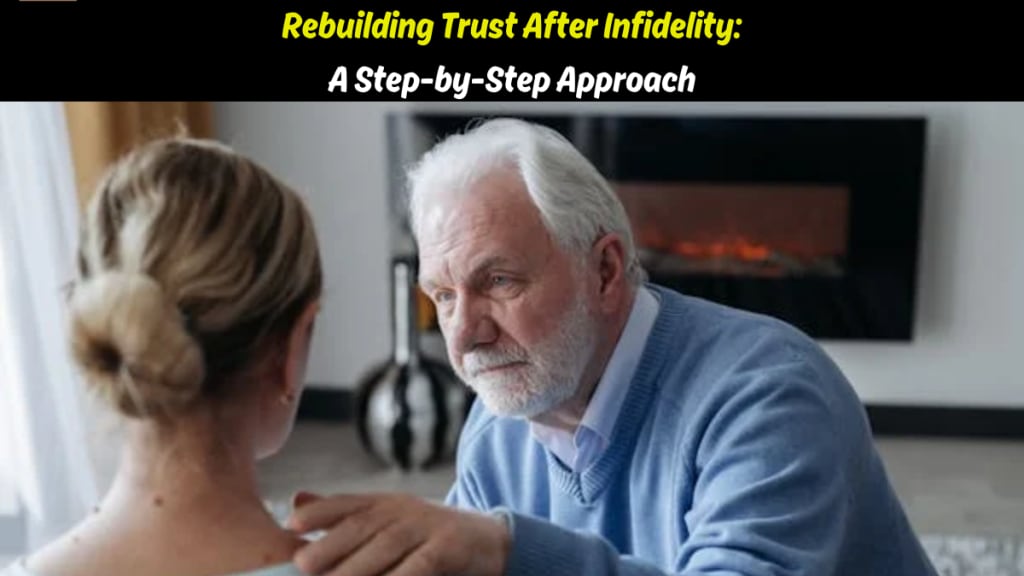
Infidelity can shatter the foundation of trust in a relationship, leaving both partners feeling hurt and confused. Rebuilding trust after such a betrayal is a challenging but necessary process for many couples. This article will provide a step-by-step approach to help partners navigate this difficult journey, emphasizing the importance of communication, empathy, and commitment.
Understanding Infidelity
What is Infidelity?
Infidelity refers to a breach of trust in a romantic relationship, often characterized by one partner engaging in emotional or physical intimacy with someone outside the relationship. It can take various forms, including emotional affairs, physical affairs, and online relationships. The effects of infidelity can be devastating, but understanding its nature is the first step toward healing.
The Impact of Infidelity
1- Emotional Pain:
The betrayed partner often experiences intense emotions, including sadness, anger, and confusion. This emotional turmoil can lead to feelings of inadequacy and betrayal.
2- Trust Erosion:
Trust, once broken, can be difficult to rebuild. The betrayed partner may struggle with doubts about their partner's fidelity and commitment.
3- Relationship Dynamics:
Infidelity can alter the dynamics of a relationship, leading to increased tension and misunderstandings. Couples may find it challenging to communicate effectively during this time.

Step-by-Step Approach to Rebuilding Trust
Step 1: Acknowledge the Betrayal
Taking Responsibility
The first step in rebuilding trust is for the partner who cheated to acknowledge the betrayal. This involves taking full responsibility for their actions without making excuses. A sincere acknowledgment of the pain caused is essential for the healing process to begin.
Step 2: Open Communication
Creating a Safe Space
Effective communication is critical in rebuilding trust. Both partners should feel safe expressing their feelings. The betrayed partner needs to share their pain, while the partner who cheated should listen actively and respond empathetically. This open dialogue can help clarify misunderstandings and foster healing.
Step 3: Establish Transparency
Building Openness
Transparency is vital in restoring trust. The partner who cheated should be open about their activities, whereabouts, and interactions. This may involve sharing passwords or allowing access to phones and social media accounts, as long as it’s agreed upon mutually. Transparency helps alleviate suspicion and fosters a sense of security.

Step 4: Set Boundaries
Defining Relationship Limits
Setting clear boundaries is essential for both partners. Discuss what is acceptable behavior moving forward and establish guidelines to prevent future infidelity. These boundaries can include how to handle interactions with friends or colleagues and what level of communication is required.
Step 5: Commit to Change
Demonstrating Dedication
Rebuilding trust requires a commitment to change from the partner who cheated. This may involve seeking therapy or counseling to address underlying issues that contributed to the infidelity. Demonstrating dedication through actions, not just words, is crucial for restoring trust.
Step 6: Practice Forgiveness
Letting Go of Resentment
Forgiveness is a vital part of the healing process. The betrayed partner must work towards forgiving their partner for the infidelity. This doesn’t mean forgetting or excusing the behavior but rather letting go of the resentment to move forward. It’s a gradual process that requires time and patience.
Step 7: Focus on Rebuilding the Relationship
Strengthening the Bond
After addressing the betrayal, couples should focus on rebuilding their relationship. This can involve spending quality time together, engaging in activities they both enjoy, and reconnecting emotionally and physically. Building positive experiences can help restore intimacy and strengthen the bond.
Step 8: Seek Professional Help
Engaging a Therapist
In many cases, couples may benefit from professional help. A therapist can provide guidance and support in navigating the complex emotions involved in rebuilding trust. They can also help couples develop effective communication strategies and tools for conflict resolution.

Conclusion
Rebuilding trust after infidelity is a complex journey that requires effort from both partners. It involves acknowledging the betrayal, fostering open communication, establishing transparency, and setting clear boundaries. Each step plays a crucial role in healing the emotional wounds caused by infidelity.
The path to recovery may be long and challenging, but with commitment, empathy, and professional support, couples can restore their relationship and emerge stronger. It’s essential to remember that healing takes time, and patience is key. By actively engaging in the rebuilding process, couples can create a healthier, more trusting relationship moving forward.
FAQs
1- What is the first step to rebuild trust after infidelity?
The first step is for the partner who cheated to acknowledge the betrayal and take full responsibility for their actions. This sincere acknowledgment is crucial for beginning the healing process.
2- How important is communication in rebuilding trust?
Communication is vital for rebuilding trust. Both partners should feel safe expressing their feelings. Open dialogue helps clarify misunderstandings and fosters healing in the aftermath of infidelity.
3- What role does transparency play in restoring trust?
Transparency helps alleviate suspicion and fosters a sense of security. The partner who cheated should be open about their activities, whereabouts, and interactions to rebuild trust effectively.
4- Is forgiveness necessary for rebuilding trust?
Yes, forgiveness is an essential part of the healing process. The betrayed partner must work towards forgiving the other for the infidelity, allowing them to let go of resentment and move forward.
5- Should couples seek professional help after infidelity?
Engaging a therapist can be beneficial for couples navigating the complexities of rebuilding trust. A therapist can provide guidance, support, and effective communication strategies during this challenging time.
Short Note for Unsplash and Pexels
For high-quality images to enhance your article on rebuilding trust after infidelity, visit Unsplash and Pexels. Both platforms offer a variety of free images that can visually complement your content.
If you found this article helpful and want to enhance your relationships even further, explore more insightful articles on our site! Discover tips, strategies, and advice tailored to help you navigate love and communication. Dive in now and unlock the benefits of healthier connections! Click Here….
>>>>>>>……...The End……>>>>>>>>>
About the Creator
Abdul Jamil Nasir
Hello! I’m Abdul Jamil Nasir, a passionate writer exploring life, love, and culture. I focus on relationships, personal growth, and human emotions, believing in the power of words to inspire and connect with readers.
Keep reading
More stories from Abdul Jamil Nasir and writers in Humans and other communities.
How to Identify Signs of Infidelity in Your Partner
Infidelity can be one of the most painful experiences in a relationship. It often leaves partners feeling betrayed, confused, and heartbroken. Recognizing the signs of infidelity early can help you address issues before they escalate. This article will explore the common indicators of cheating, the psychological factors involved, and how to approach the situation if you suspect your partner is being unfaithful.
By Abdul Jamil Nasirabout a year ago in Humans
Where there's Art there's Heart
Here's a stupid thing: I adore art, but I start to panic whenever I step into a gallery. In the one place I should be at my contented best - surrounded by walls teeming with creative expression - I fall apart. What ought to be an enriching experience, tacitly designed to facilitate the exploration of human empathy and perspective, is for me an overwhelming purgatory of anxiety that compresses me to the point I cannot breathe. At the same time, I experience a sense of extraction, as though my head is being prized open to create a hole so big my sanity could evaporate. Somewhere between these two opposing forces of vice and vortex, I feel myself dissolving in a stream of panic that makes me want to cry; and I feel so daft feeling this way, that all I want to do is run for the hills.
By Caroline Jane19 days ago in Humans


Comments
There are no comments for this story
Be the first to respond and start the conversation.