
How to Identify Signs of Infidelity in Your Partner
Learn how to recognize the signs of infidelity in a relationship and what to do about it.


Infidelity can be one of the most painful experiences in a relationship. It often leaves partners feeling betrayed, confused, and heartbroken. Recognizing the signs of infidelity early can help you address issues before they escalate. This article will explore the common indicators of cheating, the psychological factors involved, and how to approach the situation if you suspect your partner is being unfaithful.
Understanding Infidelity
What is Infidelity?
Infidelity, or cheating, typically refers to a breach of trust in a romantic relationship. It can take various forms, including emotional affairs, physical affairs, and online relationships. While the specifics may vary, infidelity generally involves one partner engaging in a romantic or sexual relationship outside of their primary partnership.
Common Types of Infidelity
1- Emotional Infidelity:
This occurs when a partner forms a deep emotional bond with someone else. This type of cheating can be just as damaging as physical infidelity, as it often involves intimacy and connection that should be reserved for the primary relationship.
2- Physical Infidelity:
Physical infidelity is characterized by sexual activity with someone other than one's partner. This is often the most recognized form of cheating and can lead to severe emotional pain for the betrayed partner.
3- Online Infidelity:
With the rise of social media and dating apps, online infidelity has become more common. This includes engaging in romantic or sexual conversations through digital platforms, which can create emotional attachments outside the primary relationship.

Signs of Infidelity
1. Changes in Communication
Shifts in Interaction
If your partner suddenly becomes distant or changes their communication style, it may be a sign of infidelity. They might avoid deep conversations, become defensive, or show disinterest in your daily life. Such changes can indicate they are emotionally invested elsewhere.
2. Increased Secrecy
Hiding Information
A notable increase in secretive behavior can suggest infidelity. If your partner becomes overly protective of their phone or computer, frequently changes passwords, or hides their messages, it may be a red flag. This behavior often indicates they are trying to conceal something.
3. Changes in Routine
Unexplained Absences
If your partner starts to have unexplained absences or changes in their schedule, this could be a sign of cheating. Frequent late nights at work, sudden social outings, or secretive plans can indicate they are spending time with someone else.
4. Emotional Distance
Lack of Intimacy
A sudden lack of emotional or physical intimacy can be a significant sign of infidelity. If your partner seems uninterested in physical affection or emotionally disconnected, it may indicate they are getting their emotional needs met elsewhere.
5. Changes in Appearance
Unusual Grooming Habits
If your partner suddenly takes extra care in their appearance—such as new clothes, a different hairstyle, or increased grooming—this might be a sign they are trying to impress someone else. While wanting to look good is normal, drastic changes can be suspicious.

Psychological Factors Behind Infidelity
Understanding the psychological factors that contribute to infidelity can provide valuable insights into why it happens. Here are some common reasons:
1. Emotional Needs
Unmet Expectations
When partners' emotional needs are not met, they may seek fulfillment outside the relationship. This could include a desire for validation, intimacy, or affection that they feel is lacking at home.
2. Boredom
Desire for Excitement
Some individuals may cheat out of boredom or a desire for excitement. The thrill of a new relationship can be enticing, especially if the primary relationship has become routine.
3. Opportunity
Situational Factors
Circumstances can play a significant role in infidelity. If one partner frequently travels for work or socializes in environments where temptation is present, the likelihood of cheating may increase.
4. Individual Issues
Personal Struggles
Low self-esteem, insecurity, or unresolved emotional issues can lead individuals to cheat. They may seek validation or escape through infidelity, viewing it as a way to cope with their problems.

How to Approach the Situation
1. Trust Your Instincts
Listen to Your Gut
If you suspect infidelity, trust your instincts. Often, your intuition can alert you to changes in your partner's behavior. However, ensure you gather evidence before jumping to conclusions.
2. Open Communication
Discuss Your Concerns
Approach your partner with your concerns calmly and openly. Use "I" statements to express how their behavior makes you feel. Avoid accusations, as this can lead to defensiveness.
3. Seek Professional Help
Consider Counseling
If you find it challenging to discuss infidelity-related issues, consider seeking help from a therapist. Couples counseling can provide a safe space for both partners to express their feelings and rebuild trust.
4. Be Prepared for Any Outcome
Prepare for Different Scenarios
Understand that confronting your partner could lead to various outcomes. Be prepared for the possibility of denial, admission, or further conflict. Regardless of the response, prioritize your emotional well-being.

Conclusion
Identifying signs of infidelity in a partner requires awareness and sensitivity. Changes in communication, increased secrecy, alterations in routine, emotional distance, and sudden changes in appearance can all be indicators of cheating. Understanding the psychological factors behind infidelity can also help in deciphering complex behaviors.
If you suspect infidelity, trust your instincts and approach the situation with open communication. Discussing your concerns in a non-confrontational manner can help you gain clarity and address underlying issues. Seeking professional help can also provide valuable support during this challenging time.
Ultimately, whether your partner is unfaithful or not, addressing your concerns directly is essential for your emotional well-being and the health of the relationship. By doing so, you can create a path forward, whether that involves healing together or making the difficult decision to part ways.
FAQs
1- What are common signs of infidelity?
Common signs include changes in communication, increased secrecy, unexplained absences, emotional distance, and changes in appearance. Being aware of these signs can help identify potential infidelity.
2- How can I communicate my concerns about infidelity?
Use "I" statements to express your feelings without sounding accusatory. This approach encourages open dialogue and makes it easier for your partner to respond.
3- Should I confront my partner about my suspicions?
Yes, if you have valid concerns, addressing them is crucial. Approach the conversation calmly and be prepared for various responses, including denial or admission.
4- What psychological factors contribute to infidelity?
Factors include unmet emotional needs, boredom, situational opportunities, and individual issues like low self-esteem. Understanding these can provide insight into infidelity.
5- Can relationships survive infidelity?
Yes, many relationships can survive infidelity with open communication, therapy, and a commitment to rebuilding trust. However, it requires effort from both partners.
Short Note for Unsplash and Pexels
For high-quality images to enhance your article on infidelity, visit Unsplash and Pexels. Both platforms offer a variety of free images that can visually complement your content.
If you found this article helpful and want to enhance your relationships even further, explore more insightful articles on our site! Discover tips, strategies, and advice tailored to help you navigate love and communication. Dive in now and unlock the benefits of healthier connections! Click Here….
>>>>>>>……...The End……>>>>>>>
About the Creator
Abdul Jamil Nasir
Hello! I’m Abdul Jamil Nasir, a passionate writer exploring life, love, and culture. I focus on relationships, personal growth, and human emotions, believing in the power of words to inspire and connect with readers.
Keep reading
More stories from Abdul Jamil Nasir and writers in Humans and other communities.
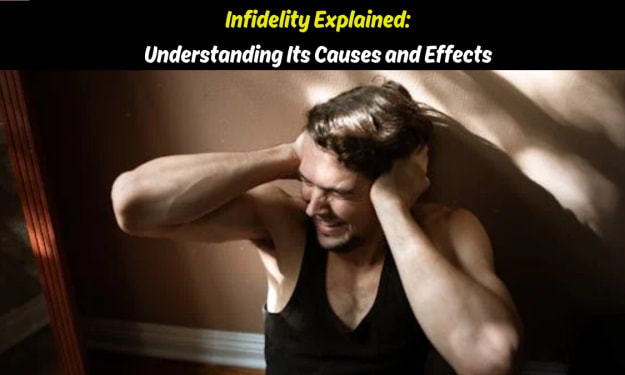
Infidelity Explained: Understanding Its Causes and Effects
Infidelity is a complex and often painful issue that affects many relationships. It can lead to emotional turmoil, distrust, and the potential breakdown of partnerships. Understanding the causes and effects of infidelity is crucial for individuals and couples navigating these challenging waters. This article will delve into the different types of infidelity, its psychological and emotional underpinnings, and the effects it can have on relationships.
By Abdul Jamil Nasirabout a year ago in Humans
Center Stage with Paul Stewart
*** I'm keen to republish the interviews I did for my series with Vocal creators. It's been a few years and I thought it might be nice to revisit these wonderful conversations. I'll be releasing them one at a time for a few weeks/months.
By Heather Hubler4 days ago in Interview



Comments
There are no comments for this story
Be the first to respond and start the conversation.