
Reading Between the Lines: The Importance of Non-Verbal Communication
Unlock deeper connections by mastering the art of non-verbal cues in your relationships.

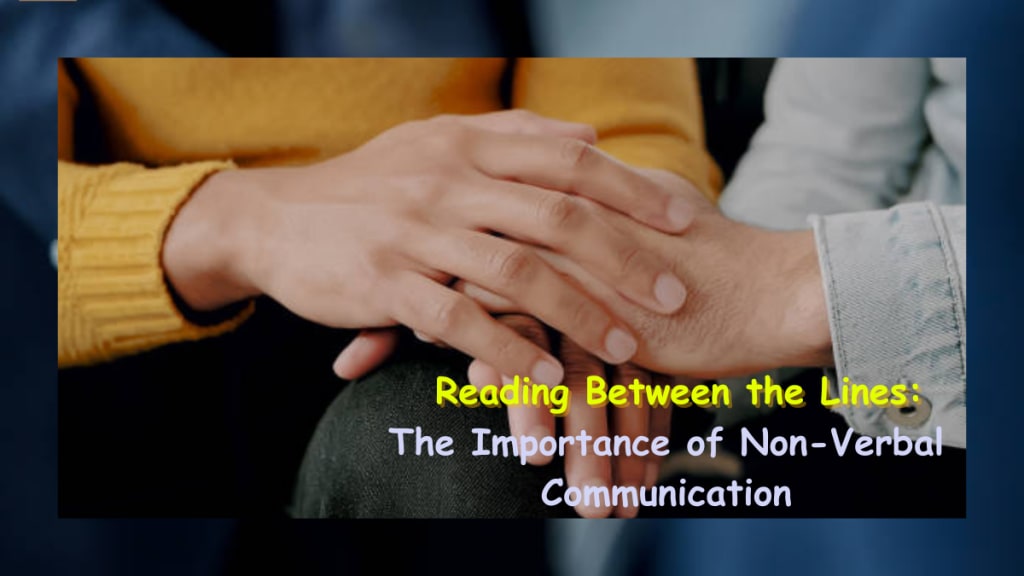
In the intricate dance of human interaction, non-verbal communication plays a critical role. It conveys feelings, intentions, and emotions that words alone often fail to express. In romantic relationships, being attuned to non-verbal cues can significantly enhance understanding and connection between partners. This article delves into the significance of non-verbal communication, its various forms, and practical tips for interpreting these cues to strengthen your relationships.
Understanding Non-Verbal Communication
1. What Is Non-Verbal Communication?
Non-verbal communication refers to the transmission of messages or signals without the use of words. This includes facial expressions, body language, gestures, posture, eye contact, and even the tone of voice. Research suggests that a substantial portion—up to 93%—of communication effectiveness is derived from non-verbal cues. In relationships, where emotions run deep, these cues are essential for understanding each other fully.

2. The Role of Non-Verbal Communication in Relationships
Non-verbal communication serves several vital functions in romantic relationships:
- Complementing Verbal Communication: Non-verbal cues can reinforce what is being said, providing additional context to words.
- Contradicting Verbal Messages: Sometimes, non-verbal signals can contradict spoken words, revealing true feelings. For example, saying "I'm fine" while crossing arms might indicate discomfort.
- Substituting for Words: In many situations, non-verbal cues can replace verbal communication entirely. A smile, a hug, or a frown can convey profound meanings without a single word being spoken.
- Regulating Interaction: Non-verbal cues help manage the flow of conversation, signaling when to speak, listen, or change topics.
Key Forms of Non-Verbal Communication
1. Facial Expressions
Facial expressions are among the most immediate and powerful forms of non-verbal communication. A smile can convey warmth and affection, while a frown might indicate sadness or frustration. Recognizing these subtle cues can provide insights into your partner's emotional state.
2. Body Language
Body language encompasses posture, gestures, and movements. Open body language—like uncrossed arms and leaning slightly forward—signals receptiveness and engagement, while closed body language might indicate defensiveness or discomfort. Observing your partner's body language can help you gauge their feelings during conversations.

3. Eye Contact
Eye contact is a potent form of non-verbal communication that can express interest, affection, or even dominance. Maintaining eye contact during conversations fosters intimacy, while avoidance of eye contact may indicate insecurity or discomfort. Understanding the nuances of eye contact can enhance emotional connection.
4. Proximity
The physical distance between partners, known as proximity, also conveys meaning. Being close to someone often indicates intimacy and comfort, while maintaining distance may suggest a desire for space or disconnection. Recognizing your partner's comfort level with proximity can help navigate emotional dynamics.
5. Touch
Touch is one of the most intimate forms of non-verbal communication. A gentle touch can convey reassurance, love, and support. Different types of touch—such as a hug, a pat on the back, or holding hands—carry various meanings and can significantly impact emotional connection.

The Psychological Impact of Non-Verbal Communication
1. Enhancing Emotional Connection
Non-verbal communication enhances emotional intimacy. When partners can read each other's non-verbal cues, they can respond more effectively to each other's needs. This understanding fosters a deeper emotional connection, leading to greater relationship satisfaction.
2. Building Trust
Effective non-verbal communication builds trust between partners. When non-verbal signals align with verbal messages, it creates a sense of authenticity and reliability. Conversely, mixed signals can lead to confusion and mistrust. Being aware of your own non-verbal cues and ensuring they match your words can strengthen trust in your relationship.
3. Conflict Resolution
During conflicts, non-verbal communication can either escalate or de-escalate tensions. For example, open body language and maintaining eye contact can signal a willingness to engage in constructive dialogue. In contrast, closed body language or avoidance can exacerbate misunderstandings. Being mindful of non-verbal cues during disagreements can facilitate healthier communication.

Practical Tips for Interpreting Non-Verbal Cues
1. Observe Context
Non-verbal communication is highly context-dependent. The same gesture or expression can have different meanings in different situations. Consider the context in which the non-verbal cue occurs to interpret it accurately. For instance, a smile during a serious conversation may indicate nervousness rather than happiness.
2. Pay Attention to Consistency
Look for consistency between verbal and non-verbal messages. If your partner says they are happy but their body language suggests otherwise—like crossed arms or avoidance of eye contact—there may be underlying emotions to explore. Encouraging open dialogue can help clarify any discrepancies.
3. Be Mindful of Cultural Differences
Cultural backgrounds can significantly influence non-verbal communication. Gestures, facial expressions, and even personal space norms can vary widely across cultures. Be aware of these differences when interpreting non-verbal cues, especially in multicultural relationships. Open discussions about each other's cultural backgrounds can foster better understanding.
4. Practice Active Listening
Active listening involves not only hearing the words but also observing the accompanying non-verbal cues. By maintaining eye contact, nodding, and responding to your partner's expressions, you can demonstrate genuine engagement. This practice enhances emotional connection and encourages your partner to share more openly.
5. Check In Regularly
Regular check-ins about feelings and emotional states can help partners stay attuned to each other's needs. Encourage open discussions about non-verbal cues and how they are interpreted. This practice fosters mutual understanding and strengthens the emotional bond.

Common Misinterpretations of Non-Verbal Communication
1. Assuming Negativity
Not all negative facial expressions indicate displeasure. For instance, a furrowed brow might result from concentration rather than frustration. Always seek clarification before jumping to conclusions about your partner's emotional state.
2. Overemphasizing Eye Contact
While eye contact is important for engagement, some individuals may feel uncomfortable with prolonged gaze due to personal or cultural reasons. Recognizing and respecting these differences can prevent misunderstandings.
3. Ignoring Contextual Factors
Non-verbal cues can be influenced by external factors such as stress, fatigue, or environmental conditions. Avoid making assumptions based solely on non-verbal signals without considering the broader context.
Conclusion
Non-verbal communication is a vital component of human interaction, particularly in romantic relationships. By understanding and interpreting non-verbal cues, partners can enhance their emotional connection, build trust, and navigate conflicts more effectively. Developing an awareness of facial expressions, body language, eye contact, proximity, and touch can significantly enrich relationships.
Key Takeaways
Recognize the Importance: Non-verbal cues play a crucial role in conveying emotions and intentions.
Observe Context and Consistency: Always consider the situation and look for alignment between verbal and non-verbal messages.
Be Mindful of Cultural Differences: Understand that non-verbal communication can vary across cultures.
Practice Active Listening: Engage fully in conversations by paying attention to non-verbal signals.
Check In Regularly: Foster open discussions about feelings and perceptions to strengthen emotional bonds.
By honing your skills in reading non-verbal communication, you can create a more fulfilling, trusting, and connected relationship.
References:
1- https://tinyurl.com/4ttk8wum
2- https://tinyurl.com/mry86ctx
Special Thanks Note
I would like to extend my heartfelt thanks to Unsplash for providing such an incredible collection of high-quality images that enhanced this article. Your platform has made it easy for creators like me to find stunning visuals that perfectly complement our work. The generosity of talented photographers sharing their art helps inspire and elevate content, making it more engaging for readers. Thank you, Unsplash, for your invaluable contribution to the creative community!
About the Creator
Abdul Jamil Nasir
Hello! I’m Abdul Jamil Nasir, a passionate writer exploring life, love, and culture. I focus on relationships, personal growth, and human emotions, believing in the power of words to inspire and connect with readers.
Keep reading
More stories from Abdul Jamil Nasir and writers in Humans and other communities.
Using Touch and Proximity: How Non-Verbal Cues Strengthen Bond
In the realm of human relationships, non-verbal communication plays a vital role in establishing and maintaining connections. Among the various forms of non-verbal cues, touch and proximity stand out as powerful tools for conveying emotions, enhancing intimacy, and fostering trust between partners. This article explores how touch and proximity influence romantic relationships, the psychological underpinnings of these cues, and practical ways to harness them to strengthen your bond.
By Abdul Jamil Nasirabout a year ago in Humans
Thief In The Night
To the thief in the night that took and replicated what once was mine: Honestly, I feel kind of bad for you. It’s funny, because we hardly know each other. I only know of you through the magazines you’ve written and the broadcasts you have televised in the past — as well as through the public mentions of you from your show business connections there.
By Snarky Lisa6 days ago in Humans
Ben Mulroney: Wife, Age, Illness, Net Worth, Biography, Career, Awards & More
Ben Mulroney is one of Canada’s most recognizable television personalities, known for his work as host of etalk, Canadian Idol, and Your Morning. Born into a political legacy as the son of former Prime Minister Brian Mulroney, Ben carved out his own media identity over two decades in television and radio.
By Enoch Sagini5 days ago in Humans
Top tipple tricks
Been thinking a lot about drinking, lately. Not least because of a recent episode of over-indulgence and the inevitable after effects. Some readers may recall the earlier articles I wrote about beating the booze. Here I set out an experiment in techniques for cutting down on my alcohol intake. The experiment was successful, the techniques worked, and I have armed myself with an arsenal of weapons in the war against the demon drink. I have yet to fire the first round however. It's all a question of timing (perhaps procrastination).
By Raymond G. Taylor4 days ago in Psyche



Comments
There are no comments for this story
Be the first to respond and start the conversation.