


I knocked on the door and was greeted by a veiled Syrian refugee named Safa. She invited me in and gestured for me to sit. I thanked her, my smile hiding my apprehension. Her couch was Arabic style, meaning a set of colorful, two-inch cushions on the floor. My forty-something knees silently warned me that getting back up from this low perch was going to be painful, and so I hesitated. I told her that this would not take much time, but she insisted that I sit and drink tea with her. Of course, I should have known. This was a cultural imperative. I sat down, trying to appear natural. She went to make me tea.
She returned and we sipped the scalding hot social lubricant of Muslim society. Then I presented her with a sewing kit, fabric, zippers, thread, and scissors. I also told her that we would buy her first products and pay for her tailoring license. Safa thanked me and happy tears rolled down her cheeks as she held her new machine of hope: “Singer”.

When the war began in Syria, Safa’s family sought asylum in Jordan. They were one of the lucky families. Shortly after they left their home it was reduced to rubble from an artillery strike. Relatively safe in Jordan, Safa’s family endured further hardship. Refugees in Jordan did not receive benefits like welfare payments. Their children, including teenagers like Safa, were not allowed to go to public schools, which were reserved for Jordanian citizens. The family spent all the money they had to survive. But Safa’s family got lucky one more time. They were accepted as refugees in the United States. Safa is now a young mother, 23 years old, who is studying to get her GED. However, like many new refugees, she was not able to get a job and earn a living in America. There are barriers, both cultural and language.
A year ago, when I founded Amna Sanctuary, a private nonprofit to support refugees in my community, I realized that a major problem to integration was their inability to join the workforce. This was something I knew well as I was once in the same predicament. I am a naturalized American citizen who was born in Egypt and came to the US when I was about Safa’s age.

I grew up where all girls had to learn arts and crafts. Gender rules were extremely strict. I rebelled and refused to learn how to sew, but I secretly admired how all my friends were able to create designs. My mother, as true Egyptian woman, made me dresses that I cherished. I still remember how one day I committed a cardinal sin. I used mom’s scissors to cut papers. Mom made sure I saw the error of my ways. Scissors were only for sewing.
As a child, I saw women save money to buy the coveted Singer machines. There was a crowdfunding system of sorts (before crowdfunding was a thing) in Egypt called “Jameya”. Basically, twelve women would pay a monthly subscription and each month one of them collected the sum. I have seen several women collect the money and buy sewing machines.
My fascination with sewing sparked an idea of how women can become entrepreneurs – after all, refugees have amazing skills. I started the “Bless These Hands” project to capitalize on their strengths by raising donations to buy sewing machines. During COVID, the first two refugee women to receive machines were able to make masks and sell them.
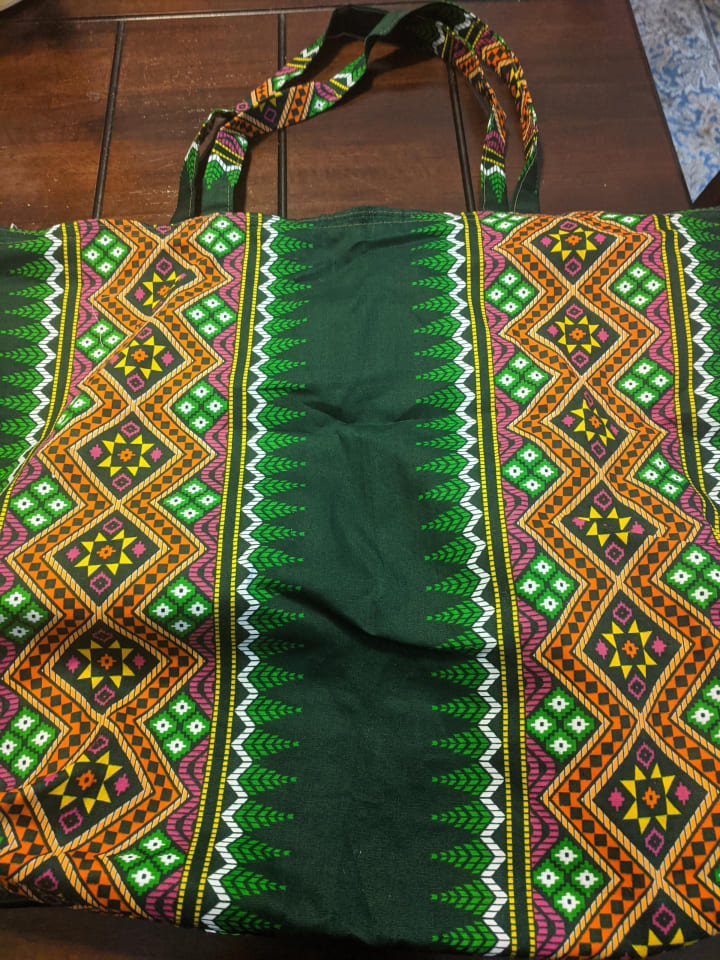
The ability to earn money and provide for your family – a rarity among Arab women – brings true happiness. I started the nonprofit with a little money raised by my friends and family members. Then my non-profit, Amna Sanctuary, received $500 from our local Rotary club. That meant two more sewing kits and machines. During Christmas, the refugees in the program made grocery bags, cushion covers and aprons. We bought all their products. I gave some as gifts for donors and sold the rest on Amna’s Facebook page.
Every delivery is emotional for me. I hold my tears until I am back in my car. My hobby, giving to others, always makes me happy when I see another refugee who can now sew and provide for her family.

About the Creator
Asiya
Asiya is my Sufi name given to me by Sherif Papa, my spiritual guide. I was born in Cairo, Egypt. I am a spoken word poet. I love writing short stories. Feel free to email
Tradwife Dilemma
I have always understood feminism to mean supporting women's right to make their own choices, whether that means pursuing a corporate career or choosing a life focused on marriage and raising children. From what I've observed, women are seldom criticized for having careers but are frequently judged for being homemakers. I don’t understand why some women choose to manage both corporate work and household responsibilities, as balancing both roles is extremely demanding and can leave little time for personal care or rest.
By Jyoti DiClemente4 days ago in Humans


Comments
There are no comments for this story
Be the first to respond and start the conversation.