

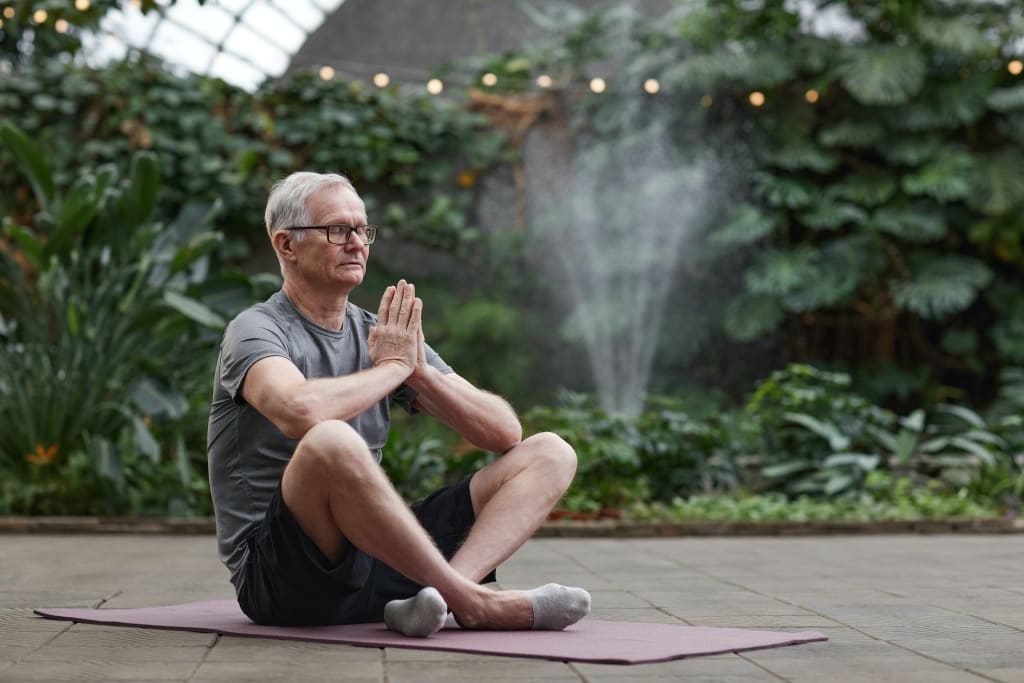
Practice Mindfulness
One of the most effective ways to calm the mind is to practice mindfulness. Mindfulness is a form of meditation that involves focusing your attention on the present moment, without judgment or distraction. By practicing mindfulness regularly, you can develop a greater awareness of your thoughts and emotions and learn to let them pass without becoming attached or overwhelmed by them.
To practice mindfulness, find a quiet and comfortable space where you can sit or lie down. Close your eyes and take a few deep breaths, allowing your body to relax. Then, simply focus your attention on your breath, noticing the sensation of the air moving in and out of your body. If your mind starts to wander, gently bring your focus back to your breath.
Get Moving
Physical exercise is another great way to calm the mind. Exercise releases endorphins, which are natural mood-boosters that can help reduce stress and anxiety. Exercise can also help you get better sleep, which is essential for a healthy mind.
You don't have to run a marathon or lift weights at the gym to reap the benefits of exercise. Even a gentle walk around the block or a few yoga poses can help you feel more relaxed and centered. Find an activity that you enjoy and make it a regular part of your routine.
Connect with Nature
Spending time in nature is another powerful way to relax the mind. Being surrounded by trees, water, and fresh air can help you feel more grounded and connected to the world around you. Whether you go for a hike in the woods or simply sit in a park and observe nature, taking time to connect with the natural world can be a soothing and rejuvenating experience.
Practice Gratitude
Focusing on what you are grateful for can be a powerful way to shift your focus away from negative thoughts and worries. Take some time each day to think about the things in your life that you appreciate and are thankful for. This can be as simple as the warmth of the sun on your skin, a kind gesture from a friend, or a good cup of coffee in the morning. By cultivating a sense of gratitude, you can train your mind to focus on the positive and develop a more optimistic outlook.
Engage in Creative Activities
Engaging in creative activities can also be a great way to calm the mind. Whether it's painting, drawing, writing, or playing music, creative activities can help you tap into a state of flow and lose yourself in the moment. This can be a meditative and relaxing experience that can help reduce stress and promote feelings of well-being.
In conclusion, achieving a calm and clear mind is essential for maintaining good mental health and overall well-being. By practicing mindfulness, getting moving, connecting with nature, practicing gratitude, and engaging in creative activities, you can train your mind to relax and let go of stress and worry. Incorporating these practices into your daily routine can help you feel more centered, grounded, and at peace with yourself and the world around you.
Take a Break from Technology
In today's digital age, it's easy to become overwhelmed by technology and the constant barrage of information and notifications. Taking a break from technology can be a powerful way to relax the mind and reduce stress. Set aside some time each day to disconnect from your phone, computer, and other devices. This can help you clear your mind and focus on the present moment.
Practice Deep Breathing
Deep breathing is another effective technique for calming the mind. By taking slow, deep breaths, you can slow down your heart rate and reduce feelings of anxiety and stress. To practice deep breathing, sit in a quiet and comfortable space and focus on your breath. Inhale deeply through your nose, filling your lungs with air, and then exhale slowly through your mouth. Repeat this for several minutes, allowing your body and mind to relax with each breath.
Get Enough Sleep
Getting enough sleep is crucial for maintaining a calm and clear mind. When you're sleep-deprived, your mind can become foggy, and your emotions can become more volatile. Aim for 7-9 hours of sleep each night, and establish a regular sleep routine to help train your body and mind to wind down and prepare for rest.
Practice Self-Care
Practicing self-care is essential for maintaining good mental health and achieving a calm and clear mind. Self-care can take many forms, from taking a relaxing bath to practicing yoga to spending time with friends and loved ones. Find activities that nourish your body, mind, and spirit, and make them a regular part of your routine.
Seek Professional Help
If you're struggling to achieve a calm and clear mind despite your best efforts, it may be time to seek professional help. A mental health professional can help you identify the root causes of your stress and anxiety and provide you with tools and techniques for managing them. Don't be afraid to reach out for help if you need it.
In conclusion, achieving a calm and clear mind is essential for maintaining good mental health and overall well-being. By practicing mindfulness, getting moving, connecting with nature, practicing gratitude, engaging in creative activities, taking a break from technology, practicing deep breathing, getting enough sleep, practicing self-care, and seeking professional help when necessary, you can train your mind to relax and let go of stress and worry. Incorporating these practices into your daily routine can help you feel more centered, grounded, and at peace with yourself and the world around you.
Practice Mindfulness Meditation
Mindfulness meditation is a powerful tool for calming the mind and reducing stress. It involves focusing your attention on the present moment, without judgment or distraction. To practice mindfulness meditation, find a quiet and comfortable space and set a timer for 5-10 minutes. Close your eyes and focus your attention on your breath, allowing your thoughts to come and go without judgment or attachment.
Practice Yoga or Tai Chi
Yoga and Tai Chi are ancient practices that have been shown to promote relaxation and reduce stress. These practices involve gentle movements, deep breathing, and focused attention, all of which can help calm the mind and reduce tension in the body. Find a yoga or Tai Chi class in your area, or practice at home using online resources.
Engage in Creative Activities
Engaging in creative activities, such as painting, writing, or playing music, can be a powerful way to quiet the mind and reduce stress. These activities allow you to express yourself and connect with your inner thoughts and emotions, which can be a powerful form of therapy. Set aside some time each week to engage in a creative activity that brings you joy.
Connect with Nature
Spending time in nature is a powerful way to promote relaxation and reduce stress. Being surrounded by natural beauty can help you feel more grounded and connected to the world around you. Take a walk in the park, go for a hike in the woods, or simply spend some time sitting outside in your backyard.
Practice Gratitude
Practicing gratitude is a powerful way to shift your focus from negative thoughts and emotions to positive ones. Take a few minutes each day to write down three things you're grateful for, no matter how small. This can help you cultivate a more positive and optimistic outlook on life.
Practice Positive Self-Talk
The way you talk to yourself can have a big impact on your mental state. Negative self-talk can lead to feelings of anxiety and self-doubt, while positive self-talk can help boost your self-esteem and promote a sense of calm and confidence. Practice speaking to yourself in a kind and supportive way, using positive affirmations and encouraging words.
Practice Progressive Muscle Relaxation
Progressive muscle relaxation is a technique that involves tensing and relaxing different muscle groups in the body. This can help reduce tension and promote relaxation. To practice progressive muscle relaxation, find a quiet and comfortable space and focus on one muscle group at a time. Tense the muscles in that group for a few seconds, and then release the tension slowly, allowing the muscles to relax completely.
Practice Visualization
Visualization is a technique that involves imagining yourself in a peaceful and relaxing setting, such as a beach or a forest. By focusing your attention on this image, you can help calm your mind and reduce stress. To practice visualization, find a quiet and comfortable space and close your eyes. Imagine yourself in a peaceful and relaxing setting, using as much detail as possible.
In summary, there are many different techniques and practices that can help you achieve a calm and clear mind. By incorporating practices such as mindfulness meditation, yoga or Tai Chi, creative activities, and spending time in nature into your daily routine, you can reduce stress and promote relaxation. Practicing positive self-talk, gratitude, and visualization can also help shift your mindset and promote a more positive outlook on life. If you find that you're struggling to achieve a calm and clear mind despite your best efforts, don't hesitate to seek professional help.
Practice Deep Breathing
Deep breathing is a simple yet effective technique for calming the mind and reducing stress. By taking slow, deep breaths, you can help slow your heart rate, lower your blood pressure, and reduce tension in the body. To practice deep breathing, find a quiet and comfortable space and sit with your back straight. Take a slow, deep breath in through your nose, filling your lungs completely. Hold the breath for a few seconds, and then slowly exhale through your mouth. Repeat this for several minutes, focusing your attention on your breath.
Get Enough Sleep
Getting enough sleep is essential for maintaining a calm and clear mind. Lack of sleep can lead to feelings of irritability, anxiety, and stress. Aim for 7-9 hours of sleep per night, and establish a regular sleep routine to help promote healthy sleep habits.
Reduce Screen Time
Spending too much time on electronic devices, such as smartphones and computers, can lead to feelings of stress and anxiety. Try to limit your screen time, especially before bed, and engage in other activities that promote relaxation, such as reading or taking a bath.
Maintain a Healthy Diet
Eating a healthy and balanced diet can help promote physical and mental wellbeing. Aim for a diet rich in fruits, vegetables, lean proteins, and healthy fats, and limit your intake of processed and sugary foods. Staying hydrated is also essential for maintaining a calm and clear mind, so be sure to drink plenty of water throughout the day.
Set Boundaries
Setting boundaries is important for maintaining a healthy work-life balance and reducing feelings of stress and overwhelm. Learn to say no to requests that don't align with your values or priorities, and prioritize activities that promote relaxation and self-care.
Seek Support
If you're feeling overwhelmed or struggling to achieve a calm and clear mind, don't hesitate to seek support from friends, family, or a mental health professional. Talking to someone can help you process your emotions and develop effective coping strategies.
In conclusion, achieving a calm and clear mind is essential for promoting physical and mental wellbeing. By incorporating practices such as deep breathing, mindfulness meditation, and creative activities into your daily routine, you can reduce stress and promote relaxation. It's also important to prioritize healthy habits, such as getting enough sleep, eating a healthy diet, and setting boundaries, and seek support when needed. With consistent effort and practice, you can cultivate a sense of inner peace and clarity that will serve you well in all areas of your life.
Practice Gratitude
Practicing gratitude involves acknowledging and appreciating the positive aspects of your life, no matter how small. By focusing on what you have rather than what you lack, you can cultivate a more positive and optimistic outlook, which can help reduce stress and promote a calm and clear mind. Try to take a few minutes each day to reflect on the things in your life that you are grateful for.
Take Breaks
Taking breaks throughout the day can help prevent feelings of overwhelm and burnout. If you're feeling stressed or overwhelmed, take a few minutes to step away from your work or other responsibilities and engage in a relaxing activity, such as reading, taking a walk, or practicing deep breathing.
Practice Self-Compassion
Self-compassion involves treating yourself with kindness and understanding, rather than criticism and judgment. By practicing self-compassion, you can reduce feelings of stress and anxiety and cultivate a greater sense of self-acceptance and self-worth. Try to treat yourself with the same kindness and compassion that you would offer to a friend who was struggling.
Embrace Imperfection
Perfectionism can lead to feelings of stress and anxiety, as you constantly strive to meet unrealistic expectations. Embracing imperfection involves accepting that mistakes and failures are a natural part of life and allowing yourself to make mistakes without judgment or self-criticism. By embracing imperfection, you can reduce stress and promote a more relaxed and calm mindset.
Practice Forgiveness
Holding onto anger and resentment can lead to feelings of stress and negativity. Practicing forgiveness involves letting go of negative emotions and releasing the need for revenge or retribution. By practicing forgiveness, you can reduce feelings of stress and promote a greater sense of inner peace and harmony.
Engage in Physical Activity
Physical activity, such as yoga, running, or weightlifting, can help reduce stress and promote a calm and clear mind. Exercise releases endorphins, which are natural mood boosters, and can help you feel more relaxed and energized. Aim for at least 30 minutes of physical activity per day to reap the benefits.
Incorporating these practices into your daily routine can help you cultivate a calm and clear mind, reduce stress, and promote physical and mental wellbeing. Remember, achieving a calm and clear mind is a journey, and it takes consistent effort and practice to achieve. Be patient with yourself, and focus on making small, sustainable changes that you can incorporate into your daily life. With time and practice, you can achieve a greater sense of inner peace and clarity that will serve you well in all areas of your life.
About the Creator
world pen
Writing has been my passion since I was 20 years old. I love creating stories from fiction, poetry, fanfiction.I enjoy writing all types I would love to become a creative writing teacher and leave the world inspiring minds.


Comments
There are no comments for this story
Be the first to respond and start the conversation.