
Peace, The True Soul of Humanity
A Reflection on the Human Spirit’s Deepest Need

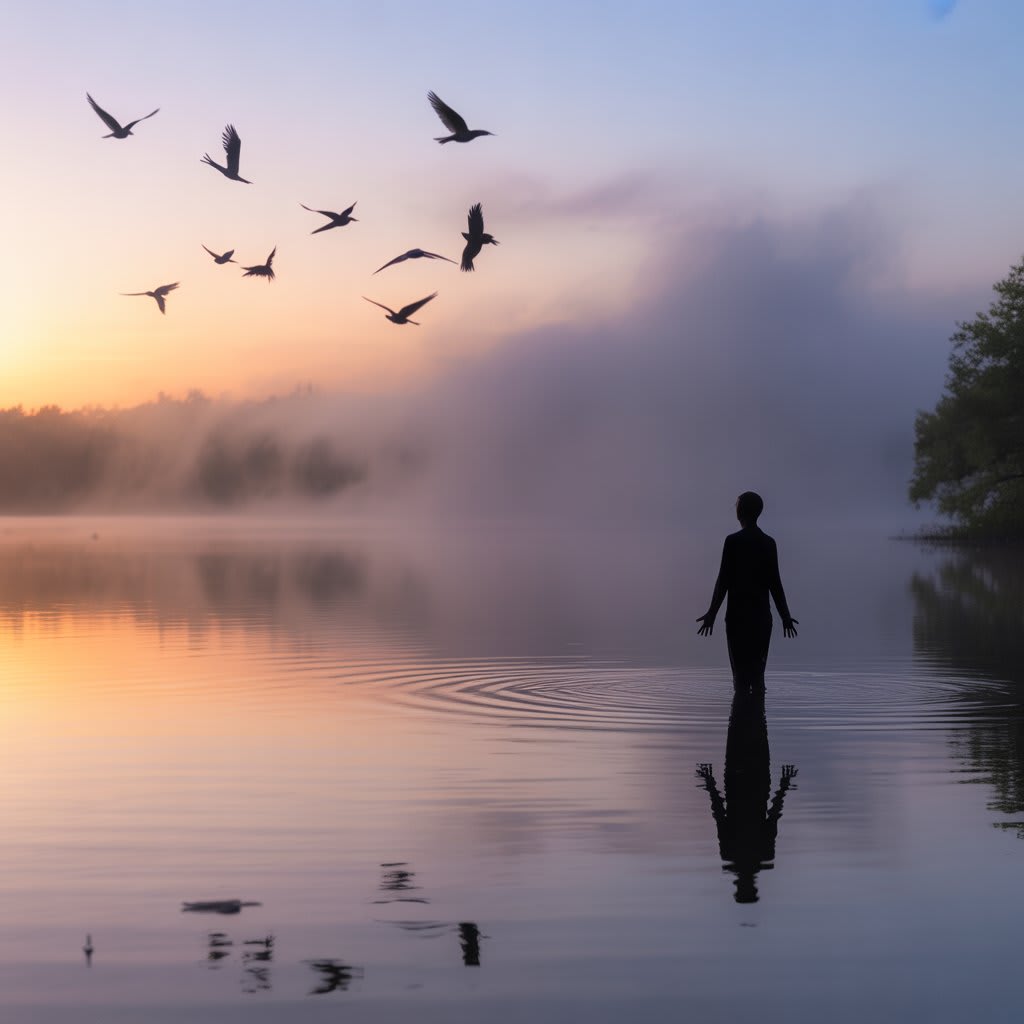
In a world marked by unrest, division, and rapid change, one truth remains timeless and universal: peace is the true soul of humanity. It is not just the absence of war, violence, or noise—it is the presence of harmony, compassion, understanding, and emotional stillness. It is what the human spirit longs for at its very core.
From the earliest days of civilization to our modern digital age, peace has been a silent thread woven through the hopes, struggles, and prayers of people across continents. While we pursue success, wealth, relationships, and recognition, what we are ultimately seeking—whether we realize it or not—is peace. That moment of quiet where everything feels right, even if only for a second.
The Innate Desire for Peace
Human beings are wired for connection, love, and calm. Even children, when left alone in a nurturing environment, seek comfort in stillness and safety. Peace is not taught; it is remembered. It is the default state of the soul before the world tells us to fight, to compare, to fear.
The heart beats steadily not when it is racing in fear or excitement, but when it is calm. The mind thinks most clearly not in chaos, but in silence. And the body heals most effectively not in stress, but in rest. All systems within us function optimally when we are at peace. This isn't just poetic—it’s biological. It proves that peace is not a luxury; it’s a fundamental need.
What Happens When Peace Is Lost?
When peace disappears, both on a personal and global level, the consequences are evident. Anxiety, depression, aggression, and emotional exhaustion rise in individuals. In societies, the lack of peace breeds conflict, injustice, discrimination, and division.
The modern world, with its constant demands and digital overload, rarely gives us a moment to breathe. Notifications, news alerts, political tensions, economic pressure, and personal expectations collide to create a sense of constant urgency. We’re living in a time where restlessness is normalized, and peace feels like a forgotten language.
Without peace, we begin to forget who we truly are. Our judgments become sharper, our tolerance thinner, and our hearts heavier. Wars don’t start in weapons factories—they begin in minds that have lost peace. They begin when fear, ego, or anger take the place of empathy and understanding.
Peace Is a Personal Journey First
We often talk about world peace as though it’s something politicians or leaders must create. But peace begins within. A peaceful world can only be built by peaceful individuals. This is not to say we ignore injustice or stop advocating for change—but how we approach these efforts must come from a place of calm clarity rather than anger or despair.
Inner peace allows us to respond rather than react. It helps us listen deeply, forgive sincerely, and make decisions not based on fear, but on wisdom. A peaceful person becomes a light in dark places, a calming presence in turbulent moments.
Imagine what would happen if more people took time to connect with their inner calm—through meditation, reflection, nature, prayer, or even quiet moments of gratitude. The ripple effect could be immense. Less shouting. More listening. Less competition. More collaboration.
The Spiritual Core of Peace
All major spiritual traditions teach the value of peace—not only as a virtue but as a state of being. In Islam, one of the names of God is “As-Salaam,” meaning “The Source of Peace.” In Christianity, Jesus is called the “Prince of Peace.” In Buddhism, inner peace is the gateway to enlightenment. In Hinduism, peace or shanti is recited as a blessing. And Indigenous teachings across the world speak of harmony with the Earth and each other.

This global reverence for peace across cultures shows that it’s more than just a cultural preference—it is a spiritual truth. Peace is the thread that connects us all, no matter what language we speak or land we live on. It is the shared space in which our souls meet, beyond all human labels and borders.
Creating a Culture of Peace
If we want a more peaceful society, we need to intentionally design it. This means:
Teaching emotional regulation in schools
Prioritizing mental health
Creating spaces for reflection and rest
Encouraging active listening in relationships
Promoting art, music, and literature that inspire empathy
We need to stop glorifying busyness and start celebrating stillness. We need to stop chasing conflict and start seeking common ground.
Peace is not weak—it is powerful. It takes more strength to remain calm in the face of chaos than to react with rage. It takes courage to forgive. It takes wisdom to understand. Peace is not passive. It is active, conscious, and transformative.
Conclusion: Coming Home to Ourselves
In the end, peace is not something we need to find out there. It is something we must remember within ourselves. It has always been there, waiting beneath the noise, ready to guide us home.
Peace, the true soul of humanity, is not just an ideal. It is our original design. It is what we were meant to carry, share, and protect. And in remembering that, we begin to heal—not only ourselves, but the world around us
About the Creator
Malik Rohail Khan
A curious writer crafting thoughts on life, lessons, and leaps of faith. I write to connect, inspire, and reflect the little things that shape big changes. I believe words shape the world—let’s write something that matters.
Keep reading
More stories from Malik Rohail Khan and writers in Humans and other communities.
Human Beyond Borders
In a world increasingly defined by conflict, division, and fear, stories of compassion often go unheard. Yet, it is in the heart of war zones — amidst collapsed buildings, distant gunfire, and dust-covered streets — that some of the most profound examples of human kindness emerge. These acts, often small and unnoticed, are reminders that even when nations clash and ideologies divide, the human spirit remains unbreakable. Compassion, it seems, knows no borders.
By Malik Rohail Khan6 months ago in Humans


Comments
There are no comments for this story
Be the first to respond and start the conversation.