
Optimizing Weight Loss: Beyond Calories In vs. Calories Out
Understanding the Impact of Food Choices and Meal Distribution for Efficient Fat Loss
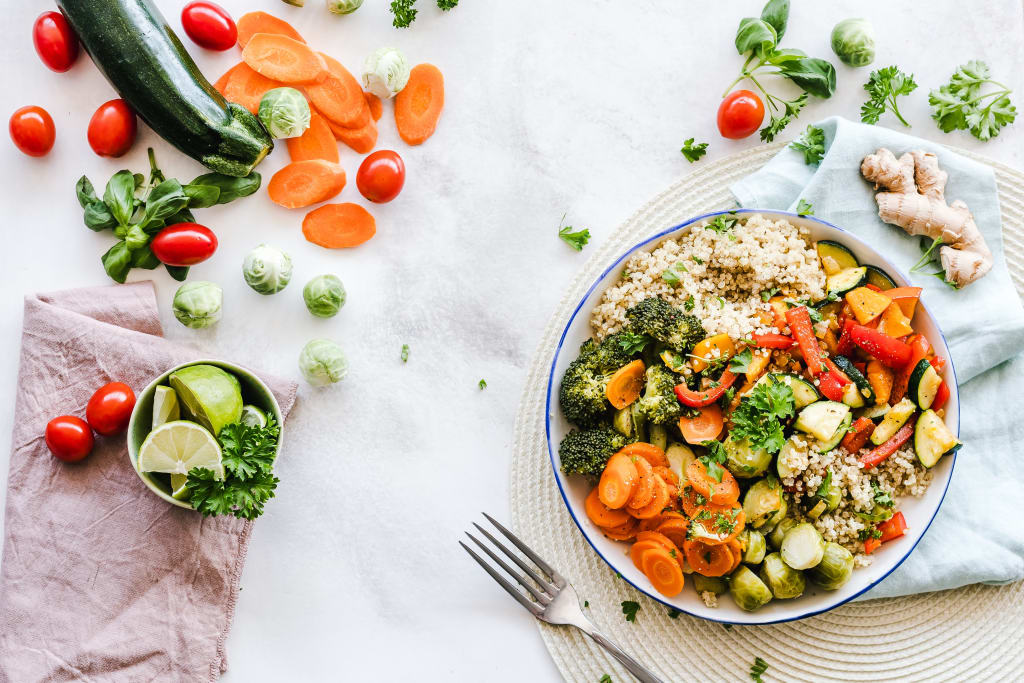
As long as you're eating at a calorie deficit and ideally consuming enough protein, you're likely to successfully lose weight and strip off fat regardless of what and when you eat. While scientifically speaking, this is true and it is the basic law of thermodynamics, this simplistic model fails to account for how the various foods you put into your body actually affect these two variables.
Research has shown that while calories do matter most, if you want to efficiently and quickly lose fat, you need to pay close attention to the types of foods that make up the calories you ingest every day and how you consume them. In this article, we'll explore three dietary swaps that can help you lose fat faster. We'll also provide you with a sample meal plan that incorporates these swaps to give you a practical approach to your weight loss journey.
Outline:
1. Introduction
2. The Importance of Unprocessed Foods
3. The Thermic Effect of Food
4. The Benefits of Whole Grain Foods
5. Meal Distribution throughout the Day
6. The Effects of a Front-Heavy Approach
7. Choosing Highly Satiating Foods
8. Incorporating Satiety into Your Diet
9. Sample Meal Plan
10. Conclusion
11. FAQs
Introduction
The traditional belief that weight loss is solely dependent on calories in versus calories out overlooks the impact of food choices on our bodies. While a calorie deficit is crucial for weight loss, the composition of those calories and the distribution of meals throughout the day play significant roles in optimizing fat loss.
The Importance of Unprocessed Foods
Minimally processed foods, such as oats and multigrain bread, offer more nutrients and fiber compared to their refined counterparts like cereal and white bread. These less processed foods have a higher thermic effect, which means our bodies burn more calories when digesting them. This increased caloric expenditure aids in weight loss.
The Benefits of Whole Grain Foods
Studies have shown that consuming whole grain foods, such as oats, brown rice, and whole grain bread, leads to a higher caloric burn during digestion compared to processed refined grains. By incorporating whole grain, less processed foods into your diet, you can potentially burn more calories and enhance your fat loss efforts.
Meal Distribution throughout the Day
The timing and distribution of meals can impact hunger levels, energy levels, and overall calorie burn. Allocating more calories to breakfast, following a front-heavy approach, has been associated with reduced hunger, decreased cravings, and increased energy levels. Shifting your calorie intake to earlier in the day may aid in better appetite control and increased calorie expenditure.
Choosing Highly Satiating Foods
Certain foods have a greater impact on suppressing appetite and controlling hunger. Swapping less satiating foods with more satiating options, such as whole grain bread for oats or brown rice for whole grain pasta, can help you feel fuller for longer and minimize snacking throughout the day.
Incorporating Satiety into Your Diet
To implement these dietary changes effectively, you can follow a sample meal plan that focuses on satiating, unprocessed foods. This plan includes protein pancakes made with oat flour for breakfast, baked salmon with boiled potatoes and sautéed asparagus for lunch, an orange and protein shake for a mid-day snack, and baked chicken breasts with roasted veggies for dinner. For a sweet treat, a high-protein Greek yogurt parfait with mixed berries can satisfy your cravings.
Conclusion
While calories in versus calories out remains the fundamental principle for weight loss, considering the quality and composition of the calories you consume can enhance your fat loss efforts. By incorporating minimally processed, whole grain foods, distributing your meals in a front-heavy manner, and choosing highly satiating options, you can optimize your diet for efficient and sustainable weight loss.
Get Access Now: https://bit.ly/J_Umma
FAQs
1. Can I still lose weight by consuming processed foods within my calorie deficit? While it's possible to lose weight while consuming processed foods as long as you're in a calorie deficit, incorporating whole grain, less processed foods can potentially speed up the fat loss process and offer additional health benefits.
2. How do whole grain foods contribute to fat loss? Whole grain foods have a higher thermic effect, meaning they require more calories to digest and metabolize compared to processed refined grains. This increased caloric burn can aid in fat loss.
3. Is a front-heavy meal distribution suitable for everyone? Individual preferences and workout schedules may influence the ideal meal distribution. However, experimenting with allocating more calories to your first meals of the day can provide unique benefits such as appetite control and increased calorie expenditure.
4. Can highly satiating foods help with weight loss? Choosing foods that are highly satiating can help control hunger and minimize snacking, ultimately supporting your calorie deficit and weight loss goals.
5. How can I implement these dietary changes effectively? You can follow the sample meal plan provided in this article as a starting point. However, it's essential to personalize your diet based on your individual needs and adjust portion sizes to maintain a calorie deficit.
Remember, successful weight loss involves finding an approach that works best for you and your lifestyle. Incorporate these dietary swaps gradually and listen to your body's signals to achieve sustainable results
About the Creator
Keep reading
More stories from saddat abbasi and writers in Humans and other communities.
The 10-Day Feast Plan for Rapid Weight Loss: Shedding 10 Kilos in 10 Days
I'm sharing an entire day feast plan that will assist you with losing 10 kilos in 10 days Are you looking for an effective and healthy way to shed those extra pounds? Look no further! In this article, I will share with you a unique meal plan that is oil and sugar-free, with a slight Indian touch. This meal plan is designed to help you lose 10 kilos in just 10 days. It's easy to follow, made with easily accessible and affordable ingredients, and most importantly, it's effective. So, without further ado, let's dive into the details of this incredible weight loss meal plan.
By saddat abbasi3 years ago in Lifehack
Time to change your life.
Is it even possible for you to change your life? A lot of people, more than there should be, are unhappy with their lives. But what are they doing about it? Usually nothing. People talk about how shitty their lives are and want change, but are they not taking the actions to change?
By Jen Phillipsa day ago in Humans
The Connection Between Emotional Neglect And Mental Health In Relationships
Lack of emotional care in a relationship happens when emotional needs of one partner are constantly disregarded, discounted, or downplayed. Emotional neglect may be hidden and slow as well as it can be hard to detect as opposed to overt conflict or abuse. It can be a deficiency in emotional responsiveness, empathy, affection or significant communication. In the long run, such lack of emotional bonds may make the individuals feel unnoticed, not valued, and feel isolated in terms of their emotions, yet they are still physically in the relationship.
By Robert Smithabout 9 hours ago in Humans



Comments
There are no comments for this story
Be the first to respond and start the conversation.