
Nourishing the Body with Essential Nutrients
The Remarkable Effects of Daily Bean Consumption on Your Body
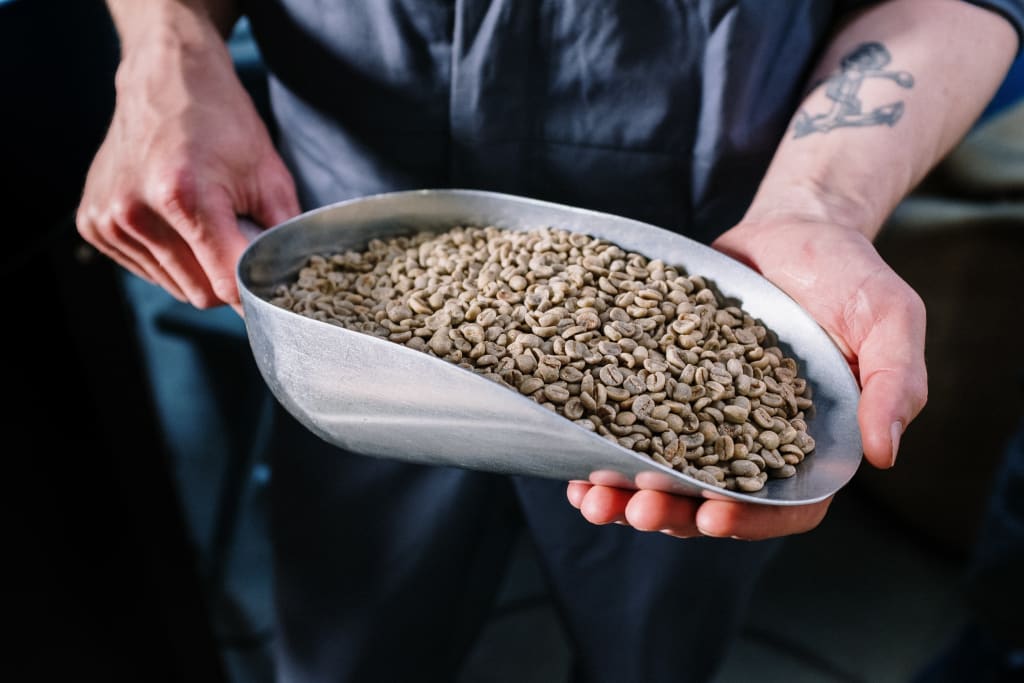
Beans, an essential part of various cuisines around the world, have been revered for their incredible nutritional value and health benefits. Whether black, kidney, pinto, chickpea, or lentil, these legumes are packed with essential nutrients, making them a popular choice for vegetarians and health-conscious individuals alike. Consuming beans daily can have a profound impact on your body, positively affecting various systems and promoting overall well-being.
Beans are a nutritional powerhouse, providing a rich array of vital nutrients necessary for maintaining a healthy body. They are an excellent source of plant-based protein, making them an ideal alternative to meat for vegetarians and vegans. Protein is vital for building and repairing tissues, and the protein content in beans helps support muscle growth and maintenance.
Additionally, beans are abundant in dietary fiber, which plays a crucial role in promoting healthy digestion. Regular consumption of beans can help prevent constipation, improve bowel movements, and support a balanced gut microbiome. The fiber content also aids in managing cholesterol levels, reducing the risk of heart disease and stroke.
Beans have a low glycemic index, meaning they cause a slow and steady rise in blood sugar levels compared to other carbohydrate-rich foods. This property is particularly beneficial for individuals with diabetes or those at risk of developing the condition. By incorporating beans into their daily diet, people can help regulate blood sugar levels, reducing the likelihood of sudden spikes and crashes that can be harmful to overall health.
For individuals looking to manage their weight, beans can be an excellent addition to their diet. The combination of protein and fiber in beans promotes a feeling of fullness and satiety, preventing overeating and reducing overall calorie intake. This satiating effect helps curb cravings and assists in maintaining a healthy body weight.
Cardiovascular diseases remain a significant global health concern. Fortunately, beans offer several compounds that contribute to heart health. Their high fiber content helps lower bad cholesterol (LDL) levels, reducing the risk of arterial plaque formation and atherosclerosis.
Moreover, beans are a good source of potassium, a mineral known for its ability to regulate blood pressure. Adequate potassium intake helps relax blood vessels and reduces strain on the heart, lowering the chances of hypertension and subsequent cardiovascular issues.
Beans are a rich source of essential minerals like calcium, magnesium, and phosphorus, all crucial for maintaining strong and healthy bones. These minerals play an instrumental role in bone formation and density, reducing the risk of osteoporosis and fractures, especially as people age.
The nutritional profile of beans includes various vitamins and minerals that support brain health. Folate, present in many bean varieties, is essential for brain function and has been associated with a reduced risk of cognitive decline and age-related memory impairment.
Additionally, beans contain antioxidants, such as flavonoids and polyphenols, which help protect brain cells from oxidative stress and inflammation. These compounds may contribute to a lower risk of neurodegenerative diseases like Alzheimer's and Parkinson's.
A robust immune system is vital for defending the body against infections and illnesses. Beans contain various nutrients, such as zinc, iron, and vitamins C and E, which play crucial roles in strengthening the immune system. Zinc supports immune cell function, while vitamins C and E act as antioxidants, neutralizing harmful free radicals and reducing oxidative damage to cells.
Aside from their fiber content, beans also contain resistant starch, which resists digestion in the small intestine and ferments in the large intestine. This fermentation process produces short-chain fatty acids that nourish the gut lining and support a healthy gut microbiome. A balanced gut microbiome is essential for digestive health and can contribute to improved overall well-being.
Studies have shown that regular bean consumption is associated with a reduced risk of several chronic diseases, including type 2 diabetes, certain cancers (such as colon cancer), and heart disease. The unique combination of nutrients in beans, particularly fiber, protein, antioxidants, and anti-inflammatory compounds, contributes to these protective effects.
In conclusion, incorporating beans into your daily diet can lead to a multitude of positive effects on your body and overall health. From providing essential nutrients and supporting various bodily functions to reducing the risk of chronic diseases, these humble legumes offer remarkable benefits. However, as with any dietary change, it's essential to maintain a balanced diet and listen to your body's needs. While beans are generally safe and beneficial for most people, some individuals may experience gas or bloating due to their high fiber content. Gradually introducing beans into your diet and cooking them thoroughly can help reduce these effects.
Remember to consult with a healthcare professional or a registered dietitian before making significant changes to your diet, especially if you have specific health conditions or concerns. With a balanced approach and mindful consumption, beans can become a delicious and nutritious staple in your daily meals, contributing to a healthier and more vibrant life.
About the Creator
Keep reading
More stories from Nouman Yousaf and writers in Humans and other communities.
Intelligent People
Intelligence is a complex trait that encompasses a variety of cognitive abilities, problem-solving skills, and adaptability. Highly intelligent people have a unique set of habits that contribute to their sharp minds and success in many areas of life. While intelligence can be influenced by genetics and education, these habits play a significant role in nurturing and enhancing one's intellectual capabilities.
By Nouman Yousaf3 years ago in Humans




Comments
There are no comments for this story
Be the first to respond and start the conversation.