
Nostalgia: The Psychology Behind Our Fond Memories and Their Effect on Our Well-being
Explore the complexities of this universal human experience.

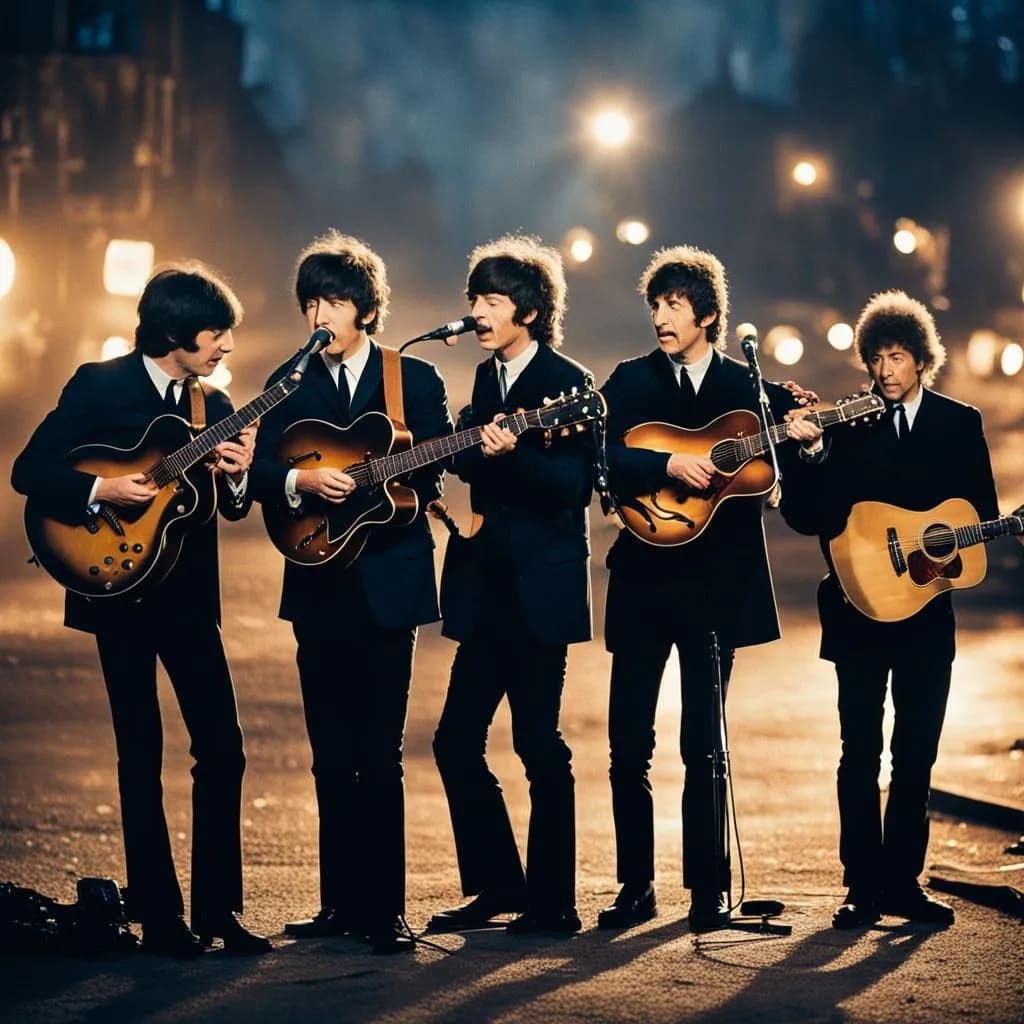
Nostalgia, a bittersweet longing for the past, is a universal human experience. It is a complex emotion that can transport us back to cherished moments in our lives, evoking feelings of joy, sadness, and even regret.
What exactly is nostalgia, and why do certain memories trigger this powerful emotion? Examine the psychology of nostalgia, exploring its roots, its impact on our well-being, and the role it plays in shaping our identities.
The Origin of Nostalgia
The concept of nostalgia dates back to the 17th century when Swiss physician Johannes Hofer coined the term to describe the homesickness experienced by Swiss soldiers serving abroad. Over time, the meaning of nostalgia has evolved to encompass a broader range of emotions related to the past.
Nostalgia is now widely recognized as a psychological phenomenon that can be triggered by various factors, such as age, life experiences, and cultural influences. Research has shown that nostalgia is more likely to be experienced during times of transition, stress, or uncertainty, as it provides a sense of comfort and continuity in the face of change.
The Impact of Nostalgia on Well-being
Nostalgia has been found to have both positive and negative effects on our well-being. On the one hand, it can serve as a coping mechanism, helping us to manage difficult emotions and maintain a sense of connection to our past.
By reminiscing about happy memories, we can boost our mood, self-esteem, and social connectedness.
On the other hand, excessive nostalgia can lead to feelings of sadness, longing, and regret. This can be particularly problematic for individuals who struggle with mental health issues, such as depression or anxiety, as they may become trapped in negative thought patterns and ruminate on past events.
The Role of Nostalgia in Identity Formation
Nostalgia plays a significant role in shaping our identities, as it helps us to construct a coherent narrative of our lives. By reflecting on our past experiences, we can better understand who we are and how we have evolved over time.
This process of self-reflection and introspection can be empowering, as it allows us to recognize our strengths, weaknesses, and personal growth.
Nostalgia can strengthen our social bonds, as it provides a shared language for connecting with others who share our memories and experiences. Through the telling and retelling of nostalgic stories, we can create a sense of belonging and shared history, fostering deeper connections with our loved ones.
Nostalgia in Everyday Life
Nostalgia is a common theme in popular culture, often manifesting in movies, music, and literature. For example, the film “Back to the Future” explores the concept of nostalgia through its time-traveling protagonist, Marty McFly, who must navigate the complexities of his own past and present.
In music, artists such as The Beatles and Bob Dylan have captured the essence of nostalgia in their lyrics, evoking feelings of longing and reflection. Literature abounds with stories of characters grappling with the past, from F. Scott Fitzgerald’s “The Great Gatsby” to Gabriel Garcia Marquez’s “Love in the Time of Cholera.”
The Future of Nostalgia Research
As our understanding of nostalgia continues to evolve, researchers are exploring new avenues for harnessing its potential benefits. Some studies have shown that nostalgia can be used as a therapeutic tool, helping individuals to cope with grief, trauma, and other life challenges.
Advances in technology and neuroscience are shedding light on the neural mechanisms underlying nostalgia, offering new insights into the complex interplay between memory, emotion, and identity.
Nostalgia is a powerful and multifaceted emotion that can both enrich and challenge our lives. By understanding the psychology of nostalgia, we can better harness its potential benefits, using it as a tool for personal growth, social connection, and emotional resilience.
As we continue to explore the complexities of this universal human experience, we may uncover new ways to navigate the challenges of the past, present, and future.
About the Creator
C. L. Nichols
C. L. Nichols retired from a Programmer/Analyst career. A lifelong musician, he writes mostly speculative fiction.
clnichols.medium.com
specstories.substack.com
Keep reading
More stories from C. L. Nichols and writers in Humans and other communities.
Dr. Martin Luther King Jr. Day
Introduction Dr. Martin Luther King Jr. Day is a special holiday celebrated in the United States. It honors the life and work of Dr. Martin Luther King Jr., a great leader who fought for freedom, equality, and justice. This day reminds people to treat everyone with respect and kindness, no matter their skin color, religion, or background. Dr. King believed in peace and non-violence, and his message is still important today.
By Farhan Sayedabout 11 hours ago in Humans



Comments
There are no comments for this story
Be the first to respond and start the conversation.