
Nigeria Coat of Arms: Meaning, History, and Symbolism
Nigeria Coat of Arms

Introduction
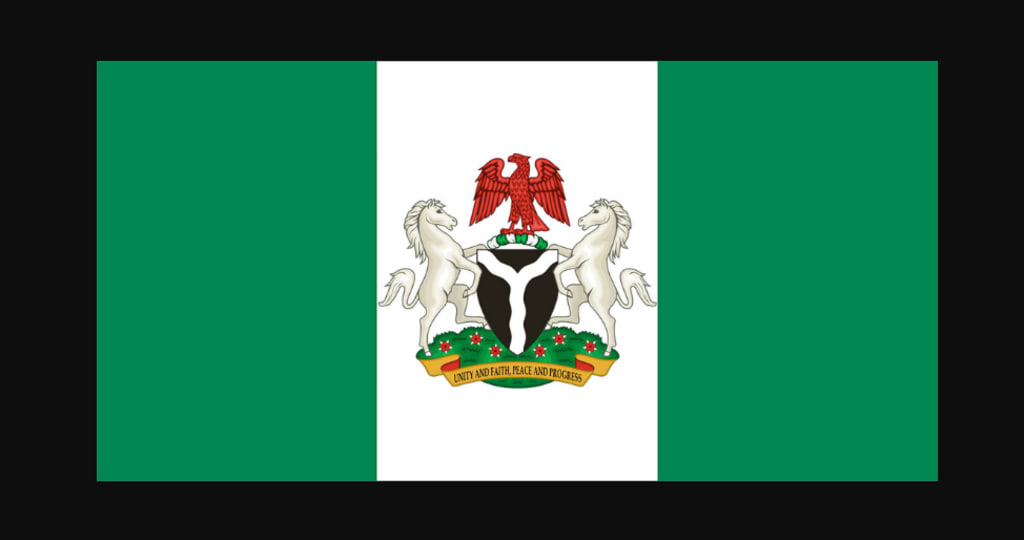
The Nigeria Coat of Arms is a vital national symbol that represents the country's authority, heritage, and identity. Officially adopted in 1975, it embodies Nigeria's rich history, diverse culture, and national unity. Every element within the emblem carries deep meaning, reflecting the aspirations of the nation.
This article explores the Nigeria Coat of Arms, its history, symbolism, significance, and legal protections.
History of the Nigeria Coat of Arms
Before independence in 1960, Nigeria used the colonial coat of arms, which featured symbols of British rule. However, as the country gained sovereignty, there was a need for a unique emblem that would truly represent the nation.
In 1975, the current design was officially adopted under the leadership of then-military Head of State, General Murtala Mohammed. The design of the Nigeria Coat of Arms was carefully crafted to symbolize unity, strength, and progress.
Features and Symbolism of the Nigeria Coat of Arms
Each component of the Nigeria Coat of Arms has a distinct meaning, reinforcing the country's values and national pride.
1. The Black Shield
The black shield at the center of the coat of arms represents Nigeria's fertile soil and its rich agricultural heritage. It signifies the abundance of natural resources that sustain the nation’s economy.
2. The Wavy White Bands (Y-Shaped)
Running across the black shield is a Y-shaped silver wavy band, which represents the confluence of the River Niger and River Benue at Lokoja. These two major rivers are among the most significant geographical features in Nigeria, symbolizing the nation's unity and strength.
3. The Two Supporting White Horses
Flanking the shield are two white horses, which symbolize dignity, strength, and pride. These noble animals reflect the resilience and determination of the Nigerian people.
4. The Eagle (Red Bird) on a Wreath
Perched atop the shield is a red eagle standing on a green and white twisted wreath. The eagle signifies strength, vision, and the ability to rise above challenges, while the green and white wreath reflects the national colors of Nigeria.
5. The Green and Gold Flower (Costus Spectabilis)
At the bottom of the shield is a yellow flower known as Costus Spectabilis, Nigeria’s national flower. It represents the beauty of the nation and the vibrant spirit of its people. The plant is indigenous to Nigeria and symbolizes the country’s uniqueness among African nations.
6. The Motto: "Unity and Faith, Peace and Progress"
Beneath the emblem is the national motto: "Unity and Faith, Peace and Progress." This phrase embodies Nigeria’s guiding principles, emphasizing the importance of national unity, trust in leadership, peaceful coexistence, and forward development.
Importance and Significance of the Nigeria Coat of Arms
The Nigeria Coat of Arms plays a crucial role in national identity and governance. Here are some of its key functions:
Symbol of National Unity: It reinforces Nigeria’s unity, reflecting the harmonious coexistence of diverse ethnic groups.
Representation of Authority: The coat of arms is used on official government documents, currency, and institutions to signify state authority.
Promoter of National Pride: Nigerians take pride in the coat of arms, as it embodies their shared history and collective aspirations.
Legal Protection: The emblem is protected by law and cannot be used for unauthorized purposes.
Legal Protections and Usage
The Nigeria Coat of Arms is a national symbol and is safeguarded under the Nigerian Constitution and various legal frameworks. Unauthorized use or alteration of the emblem is prohibited and punishable by law.
Where is the Nigeria Coat of Arms Used?
The coat of arms appears on various official platforms, including:
Nigerian currency (Naira notes and coins)
Passports and official government documents
Presidential and governmental seals
Official letterheads and stamps
Nigerian embassies and high commissions abroad
Armed forces and security uniforms
Conclusion
The Nigeria Coat of Arms is more than just a decorative emblem; it is a powerful representation of the country's heritage, strength, and unity. Every symbol embedded in the coat of arms tells a unique story about Nigeria’s past, present, and future.
As a national icon, it serves as a reminder of the values that guide Nigeria as a sovereign nation. Understanding its history and significance fosters patriotism and respect for the country’s sovereignty.
By appreciating the Nigeria Coat of Arms, citizens and non-citizens alike can gain deeper insights into the country's rich culture, aspirations, and unwavering resilience in the face of challenges.
About the Creator
Vincent Otiri
I'm a passionate writer who crafts engaging and insightful content across various topics. Discover more of my articles and insights on Vocal.Media.
Keep reading
More stories from Vincent Otiri and writers in Humans and other communities.
14 Richest Musicians in Nigeria: Their Success Stories
Nigeria's music industry has grown into a multi-million-dollar sector, producing some of the most influential and financially successful musicians in Africa. Many Nigerian artists have built immense wealth through music sales, live performances, brand endorsements, business ventures, and international collaborations. In this article, we explore the richest musicians in Nigeria, their net worth, and what contributes to their massive earnings.
By Vincent Otiri10 months ago in Humans
I am not alone.
Billu Bhai’s Realization Category: Human Interest / Life Lessons His real name was Bilal, but everyone in the village called him Billu Bhai. He was the eldest child in a large family, with parents, siblings, and relatives all living together. Growing up, Bilal had been quite weak, both physically and mentally. His childhood was marked by illness, which affected his ability to concentrate in school. Learning was a constant struggle, and he barely managed to complete his education up to the tenth grade. Now, at twenty-five, Bilal was hardworking, reliable, and always willing to help others. His father had given him a rickshaw, which became his source of daily income.
By Sudais Zakwan5 days ago in Humans


Comments
There are no comments for this story
Be the first to respond and start the conversation.