

NFTs and the Digital Art Market: An Overview
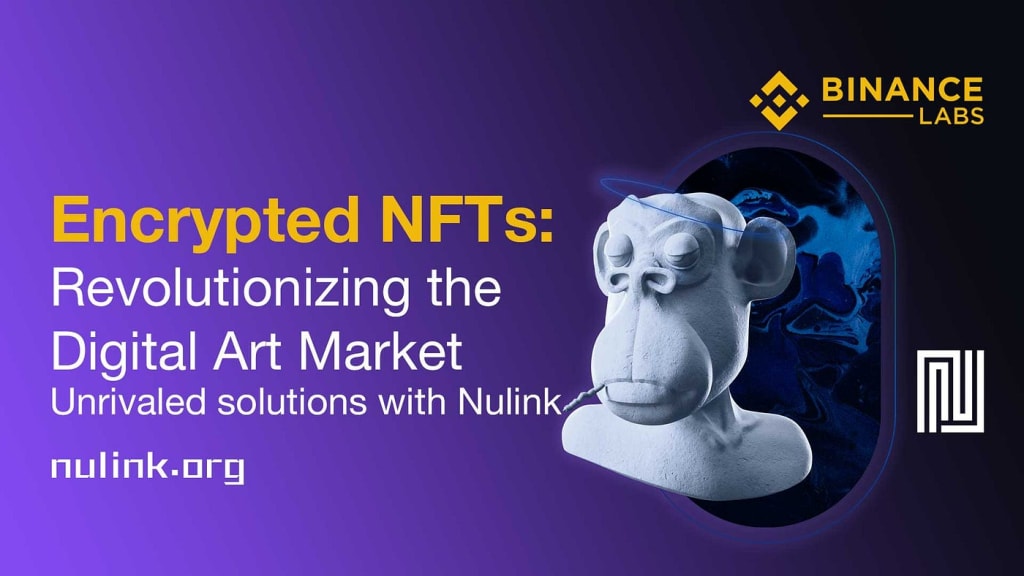
The rise of Non-Fungible Tokens (NFTs) has significantly transformed the digital art market, creating new opportunities and challenges for artists, collectors, and investors.
To understand this dynamic shift, it's crucial to explore what NFTs are, how they function, their impact on the digital art ecosystem, and the broader implications for the art world.
What Are NFTs?
NFTs, or Non-Fungible Tokens, are unique digital assets verified using blockchain technology. Unlike cryptocurrencies such as Bitcoin or Ethereum, which are fungible and can be exchanged on a one-to-one basis, NFTs are distinct and cannot be replaced or exchanged like-for-like. Each NFT has a unique identifier and metadata that distinguishes it from other tokens.
The uniqueness of NFTs makes them ideal for representing ownership of digital items, including art, music, videos, and virtual real estate. The blockchain provides a transparent and immutable record of ownership and provenance, addressing issues of authenticity and originality that have long plagued the art market.
The Emergence of NFTs in Digital Art
The concept of digital art is not new; artists have been creating digital works for decades. However, the challenge has always been monetizing these works and ensuring their scarcity in a digital medium where copying is effortless. NFTs address these issues by allowing artists to tokenize their digital creations, making it possible to sell, trade, and collect digital art just as one would with physical art.
The rise of NFT marketplaces like OpenSea, Rarible, and Foundation has provided platforms for artists to mint and sell their works directly to collectors. These platforms have democratized access to the art market, enabling artists who may not have had the opportunity to showcase their work in traditional galleries to reach a global audience.
Transformative Impact on Artists
For artists, NFTs offer several significant advantages:
Ownership and Royalties: Artists can encode royalty terms into their NFTs, ensuring they receive a percentage of sales each time the artwork is resold. This feature is revolutionary, as it allows artists to benefit from the appreciation of their work over time.
Direct Engagement: NFTs enable artists to connect directly with their audience without intermediaries like galleries or auction houses. This direct engagement can lead to stronger relationships and more personalized experiences for collectors.
Innovation and Experimentation: The digital nature of NFTs allows for innovative forms of art that incorporate interactivity, animation, and multimedia elements. Artists can experiment with new mediums and concepts that are not possible in traditional art forms.
Global Reach: NFT marketplaces operate online, giving artists access to a global pool of collectors. This expanded reach can significantly increase the visibility and potential market for their work.
The Collector’s Perspective
From a collector’s standpoint, NFTs offer a novel way to engage with art:
Authenticity and Provenance: Blockchain technology ensures that the ownership history of an NFT is transparent and immutable. This provides collectors with confidence in the authenticity of the digital art they purchase.
Liquidity and Investment Potential: NFTs can be easily bought and sold on various marketplaces, providing liquidity that is often lacking in the traditional art market. This liquidity, combined with the growing interest in digital art, has led some collectors to view NFTs as investment opportunities.
Diverse Portfolios: Collectors can diversify their portfolios by including digital assets alongside physical art, potentially hedging against market fluctuations in traditional art investments.
Community and Engagement: NFT communities often form around specific artists or collections, offering collectors a sense of belonging and participation in a shared passion for digital art.
Challenges and Criticisms
Despite the excitement surrounding NFTs, several challenges and criticisms need to be addressed:
Environmental Concerns: The energy consumption of blockchain networks, particularly Ethereum, has raised significant environmental concerns. The process of minting and transacting NFTs can be energy-intensive, contributing to the carbon footprint of the digital art market.
Market Speculation: The rapid rise in the value of some NFTs has led to concerns about market bubbles and speculation. While some investors have made significant profits, others have faced losses as the market fluctuates.
Intellectual Property Issues: The ease of creating and selling NFTs has led to instances of art theft, where individuals mint NFTs of works they do not own or have rights to. This poses legal and ethical challenges for the digital art community.
Access and Inclusivity: While NFTs have democratized access to the art market, there are still barriers to entry. The cost of minting an NFT, the technical knowledge required, and the volatility of the cryptocurrency market can be prohibitive for some artists and collectors.
The Future of NFTs and Digital Art
The future of NFTs and the digital art market is still evolving, but several trends and potential developments are worth noting:
Sustainable Practices: Efforts are underway to address the environmental impact of NFTs. Ethereum’s transition to a proof-of-stake (PoS) consensus mechanism aims to significantly reduce energy consumption. Additionally, alternative blockchains like Tezos and Flow, which are more energy-efficient, are gaining traction in the NFT space.
Enhanced Interoperability: As the NFT ecosystem grows, there will be a push for greater interoperability between different platforms and blockchains. This will facilitate smoother transactions and broaden the reach of digital art across various networks.
Integration with Virtual Worlds: The integration of NFTs with virtual worlds and metaverses is an exciting development. Digital art can be displayed in virtual galleries, used in virtual reality experiences, or incorporated into virtual real estate, adding new dimensions to how art is experienced and appreciated.
Broader Adoption and Regulation: As NFTs become more mainstream, we can expect increased adoption by traditional art institutions and greater regulatory scrutiny. Clearer guidelines and regulations will help protect artists, collectors, and investors, fostering a more stable and transparent market.
New Artistic Expressions: The continued evolution of technology will enable new forms of artistic expression. Augmented reality (AR), virtual reality (VR), and artificial intelligence (AI) will likely play significant roles in shaping the future of digital art and NFTs.
Conclusion
NFTs have undeniably revolutionized the digital art market, offering new opportunities for artists and collectors while also presenting challenges that need to be addressed.
As the technology and market continue to evolve, the potential for innovation and transformation in the art world is immense. By fostering sustainable practices, promoting inclusivity, and embracing new technologies, the NFT and digital art ecosystem can continue to thrive and reshape our understanding of art in the digital age.
++++++++++++++++++++++++++++++++++++++++++++++++++++++++++++++++++++++++++++++++++++++++++++++++++++++++
Writer's Note
In the event that you partook in this one, the absolute best commendation you can give me is to share it, read another and most likely give a help !
About the Creator
RAYMOND OGWU
I’m a digital marketer passionate about crafting engaging content and building brands. Outside of marketing, I share stories of my adventures.Join me as we dive into the world of digital marketing and uncover thrilling adventures together!
Keep reading
More stories from RAYMOND OGWU and writers in Humans and other communities.
Mental health awareness
Mental health awareness is a critical and evolving issue that affects individuals, communities, and societies worldwide. With increasing recognition of the importance of mental health, efforts to promote awareness, reduce stigma, and provide support have become more prominent.
By RAYMOND OGWU2 years ago in Humans
Modern Singles Solve Dating Fatigue Using Lifestyle Adjustments And Emotional Awareness
Fatigue dating is a problem that is becoming increasingly popular among contemporary singles. Emotional exhaustion may be caused by the strains of the online dating process, frequent rejections, and recurring first dates. A person can become stressed by having to work continuously in order to meet new people, keep the conversation going and handle expectations. Such exhaustion tends to kill excitement, self-esteem, and patience, and dating can be seen as a task instead of fun.
By Willian Jamesabout 22 hours ago in Humans
Early March 2026: 4 Goals Accomplished
It's early March and I've now accomplished my 4th writing goal for the year of 2026. Before diving into the behind-the-scenes of it... why not tell you up front what that accomplishment was? I was published in a 2nd publication for this year. Published in Helix Literary Magazine out of Central Connecticut State University. You can read it for free right now!
By Stephen Kramer Avitabile4 days ago in Writers



Comments (1)
Hey, just wanna let you know that this is more suitable to be posted in the 01 community 😊