

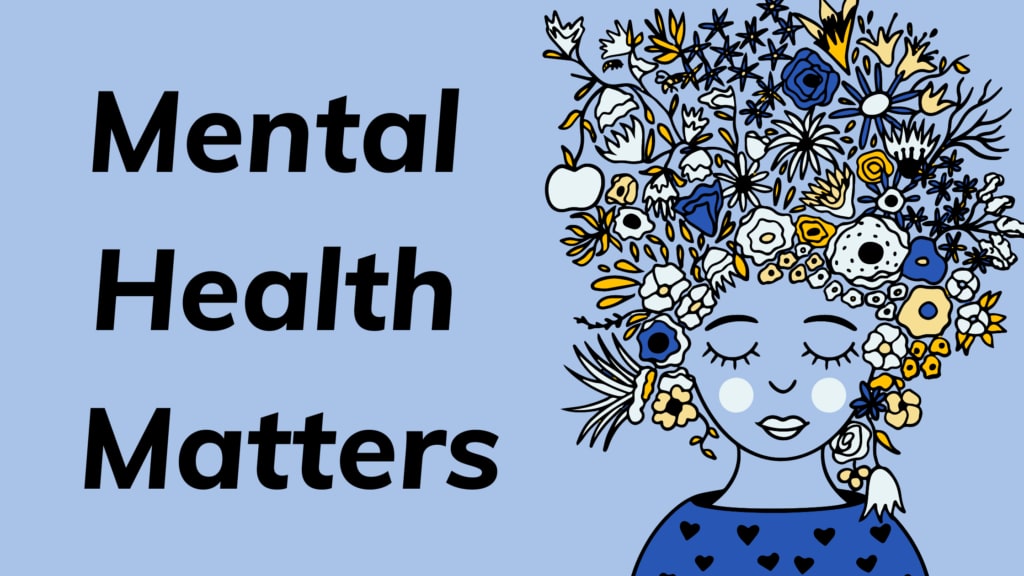
Mental health awareness is a critical and evolving issue that affects individuals, communities, and societies worldwide. With increasing recognition of the importance of mental health, efforts to promote awareness, reduce stigma, and provide support have become more prominent.
This article delves into the importance of mental health awareness, the challenges faced, the role of education and advocacy, and the future outlook of mental health initiatives.
1. Understanding Mental Health Awareness
1.1 Definition and Scope
Mental health awareness encompasses efforts to educate the public about mental health issues, reduce stigma associated with mental illness, and promote mental well-being. It involves recognizing the signs and symptoms of mental health conditions, understanding their impact, and knowing how to seek help and support.
1.2 Historical Context
Historically, mental health has been a taboo subject, often misunderstood and stigmatized. People with mental health conditions were frequently marginalized and discriminated against. Over the past few decades, there has been a significant shift towards understanding mental health as an integral part of overall well-being, similar to physical health. This shift has been driven by research, advocacy, and a growing acknowledgment of the prevalence and impact of mental health issues.
2. The Importance of Mental Health Awareness
2.1 Prevalence of Mental Health Issues
Mental health conditions are common, affecting millions of people globally. According to the World Health Organization (WHO), one in four people will experience a mental health issue at some point in their lives. Conditions such as depression, anxiety, bipolar disorder, and schizophrenia are prevalent and can have a profound impact on individuals and their families.
2.2 Impact on Quality of Life
Mental health issues can significantly impact an individual's quality of life. They can affect relationships, work performance, physical health, and overall life satisfaction. Without proper awareness and support, individuals with mental health conditions may suffer in silence, leading to worsening symptoms and decreased quality of life.
2.3 Reducing Stigma
Stigma surrounding mental health is one of the biggest barriers to seeking help. Misconceptions and negative stereotypes can lead to discrimination and social isolation. Raising awareness helps to challenge these misconceptions, promote understanding, and create a more accepting and supportive environment for those experiencing mental health issues.
2.4 Encouraging Early Intervention
Early intervention is crucial for effective treatment and recovery from mental health conditions. Mental health awareness campaigns aim to educate people about the early signs and symptoms of mental health issues, encouraging them to seek help before the condition worsens. Early intervention can lead to better outcomes and a faster recovery.
2.5 Promoting Mental Well-being
Mental health awareness is not just about addressing mental health issues but also about promoting mental well-being. It involves encouraging healthy lifestyle choices, stress management, and emotional resilience. By fostering a culture of mental well-being, individuals can lead healthier, happier lives.
3. Challenges in Promoting Mental Health Awareness
3.1 Stigma and Discrimination
Despite progress, stigma and discrimination remain significant challenges in promoting mental health awareness. Many people still hold misconceptions about mental illness, viewing it as a sign of weakness or a character flaw. This stigma can prevent individuals from seeking help and receiving the support they need.
3.2 Lack of Access to Services
Access to mental health services is a major issue, particularly in low-income and rural areas. Many people do not have access to affordable, high-quality mental health care. This lack of access can be a barrier to seeking help and receiving timely treatment.
3.3 Cultural and Societal Factors
Cultural and societal factors can influence perceptions of mental health. In some cultures, mental health issues are not openly discussed, and seeking help may be seen as shameful. Understanding and addressing these cultural nuances is essential for effective mental health awareness and intervention.
3.4 Funding and Resources
Adequate funding and resources are essential for mental health services and awareness campaigns. Unfortunately, mental health often receives less funding compared to other areas of healthcare. This underfunding can limit the availability of services and the reach of awareness initiatives.
4. The Role of Education and Advocacy
4.1 Educational Programs
Educational programs play a vital role in raising mental health awareness. Schools, workplaces, and community organizations can provide education about mental health, teaching people how to recognize signs and symptoms, manage stress, and seek help. These programs can also promote mental well-being and resilience.
4.2 Advocacy and Support Groups
Advocacy groups and support organizations are instrumental in promoting mental health awareness and supporting individuals with mental health conditions. These groups work to influence public policy, raise awareness, and provide resources and support for those affected by mental health issues.
4.3 Media and Public Campaigns
Media and public campaigns are powerful tools for raising mental health awareness. Campaigns such as World Mental Health Day and Mental Health Awareness Month use various media platforms to reach a wide audience, spreading messages of hope, support, and education.
4.4 Involvement of Healthcare Professionals
Healthcare professionals play a crucial role in mental health awareness. They can educate patients and the public, advocate for mental health resources, and provide compassionate care. Training healthcare professionals in mental health awareness and treatment is essential for improving overall mental health care.
5. Future Outlook for Mental Health Awareness
5.1 Technological Advancements
Technology is playing an increasingly important role in mental health awareness and treatment. Telehealth services, mental health apps, and online support groups provide accessible resources for those seeking help. These technological advancements can bridge the gap in access to mental health care, especially in underserved areas.
5.2 Integration of Mental and Physical Health Care
There is a growing recognition of the interconnectedness of mental and physical health. Integrating mental health care into primary care settings can improve access to services and ensure a holistic approach to health. This integration can lead to better health outcomes and a more comprehensive understanding of well-being.
5.3 Policy and Legislative Changes
Policy and legislative changes are essential for advancing mental health awareness and care. Governments and policymakers must prioritize mental health, ensuring adequate funding, access to services, and protection against discrimination. Advocacy efforts can drive these changes, promoting a more supportive environment for mental health.
5.4 Continued Efforts to Reduce Stigma
Ongoing efforts to reduce stigma are crucial for mental health awareness. Public education campaigns, personal stories, and open discussions can challenge misconceptions and promote acceptance. By fostering a culture of understanding and support, stigma can be significantly reduced.
5.5 Community Engagement
Community engagement is vital for promoting mental health awareness. Grassroots initiatives, local support groups, and community-based programs can reach people at a personal level, providing education and support tailored to specific communities. Engaging communities in mental health initiatives ensures that awareness efforts are relevant and impactful.
Conclusion
Mental health awareness is essential for promoting understanding, reducing stigma, and improving the well-being of individuals and communities. Despite significant progress, challenges such as stigma, lack of access to services, and cultural barriers remain. Education, advocacy, and the involvement of healthcare professionals are key to advancing mental health awareness.
Looking forward, technological advancements, policy changes, and continued efforts to integrate mental and physical health care will play crucial roles in shaping the future of mental health awareness.
By fostering a culture of acceptance and support, we can create a world where mental health is prioritized, and everyone has the opportunity to thrive.
About the Creator
RAYMOND OGWU
I’m a digital marketer passionate about crafting engaging content and building brands. Outside of marketing, I share stories of my adventures.Join me as we dive into the world of digital marketing and uncover thrilling adventures together!
Keep reading
More stories from RAYMOND OGWU and writers in Humans and other communities.



Comments
There are no comments for this story
Be the first to respond and start the conversation.