
Navratri Traditional Colors: Significance and Meaning
The Symbolism Behind the Traditional Colors of Navratri

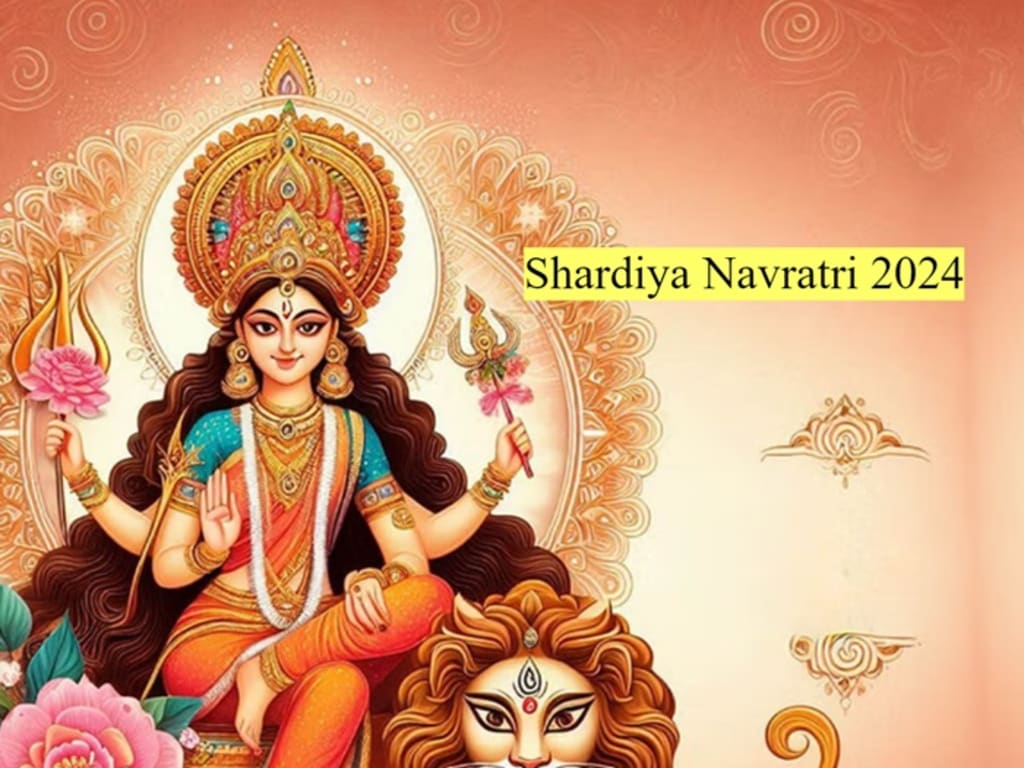
Navratri, the festival dedicated to the worship of Goddess Durga and her nine forms, is celebrated with great devotion and enthusiasm. A unique aspect of Navratri is the tradition of wearing specific colours on each day of the festival. Each colour holds symbolic meaning, representing different virtues, energies, and forms of the goddess. This practice of following the Navratri colour code brings spiritual harmony and positivity.
In this post, we’ll delve into the importance of traditional Navratri colours, explore their significance, and provide a detailed explanation of how this tradition enhances the spiritual essence of the festival.
Table of Contents :-
- Introduction to Navratri and Traditional Colours
- Significance of Each Colour During Navratri
- The Cultural Importance of Wearing Colours
- Influence of Colors in Navratri Celebrations
- Practical Guide to Wearing the Right Color on Each Day
- Modern Adaptation of Navratri Colors
1. Introduction to Navratri and Traditional Colours :-
Navratri is a celebration of the nine divine forms of Goddess Durga. Each of these nine forms is worshipped on a specific day, and devotees follow a colour code to honour the goddess. This tradition has been passed down through generations, with each day associated with a distinct colour that represents the energy and virtue of the goddess being worshipped. The practice of wearing these colours is not only a form of devotion but also a way to align oneself with the positive energies of each day.
The importance of these colours goes beyond aesthetics. They symbolise various elements of life and nature, and by following the colour code, devotees immerse themselves in the spiritual atmosphere of Navratri. This tradition adds a vibrant and collective aspect to the festival, making it more engaging and inclusive.
2. Significance of Each Colour During Navratri :-
Let’s explore the significance of each of the nine colours worn during Navratri :-
Day 1 :- Yellow
Worship of Shailaputri
Significance :- Yellow represents happiness and positivity. The goddess Shailaputri is worshipped on the first day, and yellow embodies her serene and calming nature. Wearing yellow is believed to bring joy and positivity into the lives of devotees.
Day 2 :- Green
Worship of Brahmacharini
Significance :- Green symbolises growth, fertility, and peace. On the second day, Brahmacharini is worshipped, and green represents her meditative and peaceful nature. The colour is believed to help devotees find peace and calmness in their spiritual pursuits.
Day 3 :- Grey
Worship of Chandraghanta
Significance :- Grey symbolises balance and neutrality. Chandraghanta, the goddess worshipped on this day, signifies bravery and grace. Wearing grey is thought to help devotees find balance and strength in their everyday lives.
Day 4 :- Orange
Worship of Kushmanda
Significance :- Orange represents energy and enthusiasm. Kushmanda, the goddess of creation, is worshipped on this day, and the colour orange signifies her energy and warmth. It encourages positive energy and confidence.
Day 5 :- White
Worship of Skandamata
Significance :- White is associated with purity and peace. Skandamata, the goddess who nurtures, is honoured on the fifth day. Wearing white is believed to bring peace and inner calmness.
Day 6 :- Red
Worship of Katyayani
Significance :- Red represents passion, love, and strength. Goddess Katyayani, who symbolises courage and victory, is worshipped on this day. Red signifies the power and fierce devotion of the goddess and is worn to invoke strength and determination.
Day 7 :- Royal Blue
Worship of Kalaratri
Significance :- Royal blue symbolises wisdom and the power of knowledge. Goddess Kalaratri, known for her powerful and protective nature, is worshipped on this day. Wearing royal blue represents wisdom and bravery.
Day 8 :- Pink
Worship of Mahagauri
Significance :- Pink is associated with hope, love, and compassion. Goddess Mahagauri, the symbol of purity, is worshipped on the eighth day. Wearing pink is believed to bring harmony and affection.
Day 9 :- Purple
Worship of Siddhidatri
Significance :- Purple represents ambition and power. Goddess Siddhidatri, who grants wisdom and success, is worshipped on the last day. Wearing purple signifies spiritual awakening and transformation.
3. The Cultural Importance of Wearing Colours :-
The tradition of wearing specific colours during Navratri has deep cultural roots. In India, colours have always played a crucial role in festivals, rituals, and everyday life. Colours are considered carriers of energy, and wearing them is a way to channel that energy into one’s life. During Navratri, the colour code helps devotees connect with the spiritual essence of each day, creating a sense of community and shared devotion.
In modern times, this practice has become an integral part of Navratri celebrations, especially among women, who often coordinate their outfits to reflect the colours of each day. This creates a festive atmosphere and enhances the collective experience of the festival.
4. Influence of Colors in Navratri Celebrations :-
Let’s look at how the tradition of wearing colours impacts Navratri celebrations across India :-
In Gujarat, a survey was conducted among devotees participating in Garba, the traditional dance during Navratri. Out of 500 participants, 80% said they followed the Navratri colour code throughout the festival. The study found that adhering to the colour tradition helped people feel more connected to the cultural and spiritual significance of the festival. Participants reported feeling more engaged and spiritually uplifted when they followed the colour code, as it created a sense of harmony and unity during group activities like Garba and Dandiya.
This case study highlights the psychological and cultural benefits of following the Navratri colour tradition, which strengthens the community’s bond during the celebrations.
5. Practical Guide to Wearing the Right Color on Each Day :-
Here’s a quick guide on how to wear the right colour each day of Navratri :-
Day 1 :- Yellow – Opt for a yellow saree or kurta to reflect positivity.
Day 2 :- Green – Wear a green outfit to symbolise growth and harmony.
Day 3 :- Grey – Choose grey attire to embrace balance.
Day 4 :- Orange – An orange dress or top will channel energy and enthusiasm.
Day 5 :- White – Wear white for purity and peace.
Day 6 :- Red – Red attire will bring out your inner strength.
Day 7 :- Royal Blue – Wear royal blue for wisdom and bravery.
Day 8 :- Pink – A pink outfit symbolises love and hope.
Day 9 :- Purple – Purple attire reflects spiritual transformation and ambition.
6. Modern Adaptation of Navratri Colors :-
In contemporary times, the tradition of wearing specific colours during Navratri has evolved. While the essence remains the same, people now adapt the colours into modern fashion trends. From traditional sarees and lehengas to fusion wear like kurtis and jeans, the Navratri colour code is embraced in various forms. Fashion designers also introduce Navratri-specific collections to cater to the growing trend of colour-coded dressing, allowing devotees to honour tradition while keeping up with modern fashion.
The tradition of wearing specific colours during Navratri is more than just a fashion statement. It is a meaningful practice that connects devotees to the spiritual energies of each day. By embracing the colour code, people not only pay homage to the goddess but also immerse themselves in the vibrant and harmonious spirit of Navratri.
About the Creator
DINESH KUMAR SHARMA
i am a writer and a investor
Keep reading
More stories from DINESH KUMAR SHARMA and writers in Humans and other communities.
Challenges and Hardships
Every life is defined by a series of challenges, and for this man, his early years were marked by numerous obstacles that shaped who he would eventually become. Born into a modest family in a small town, he grew up in an environment where financial stability was a luxury. His parents worked tirelessly to provide for the family, but the struggles of daily life were apparent to a young child. These hardships were not just external; they were internalized, creating a deep sense of resilience and ambition in him from a young age.
By DINESH KUMAR SHARMAabout a year ago in Humans
Ratul Puri: Driving India's Clean Energy Future Through Innovation and Strategic Leadership
India's journey toward becoming a global renewable energy powerhouse demands exceptional leadership that can bridge the gap between ambitious national targets and ground-level implementation. Ratul Puri represents exactly this caliber of transformative leadership, steering Hindustan Power through complex market dynamics while consistently delivering projects that advance India's clean energy agenda. His recent landmark collaboration with the Assam government exemplifies the strategic thinking and execution capabilities essential for accelerating India's renewable energy transition.
By Chinmaya Singh6 days ago in Humans
So You Decided To Become a Nurse Practitioner:
So you decided to become an "Advanced Practice" nurse. Congratulations!... is what I would say if this was a good idea. Grad school? In this economy? What were you thinking? Likely it was something along the lines of either 1) “I've seen these other chucklefucks do it— Why can't I?” or even 2) “I've got a nice career, I should shake it up. I miss feeling like I have no clue what I'm doing.”
By Sandor Szabo2 days ago in Fiction


Comments
There are no comments for this story
Be the first to respond and start the conversation.