
Navigating Breakups: Effective Communication Strategies for Healing
Discover essential techniques for respectful conversations, emotional processing, and finding closure after a breakup.

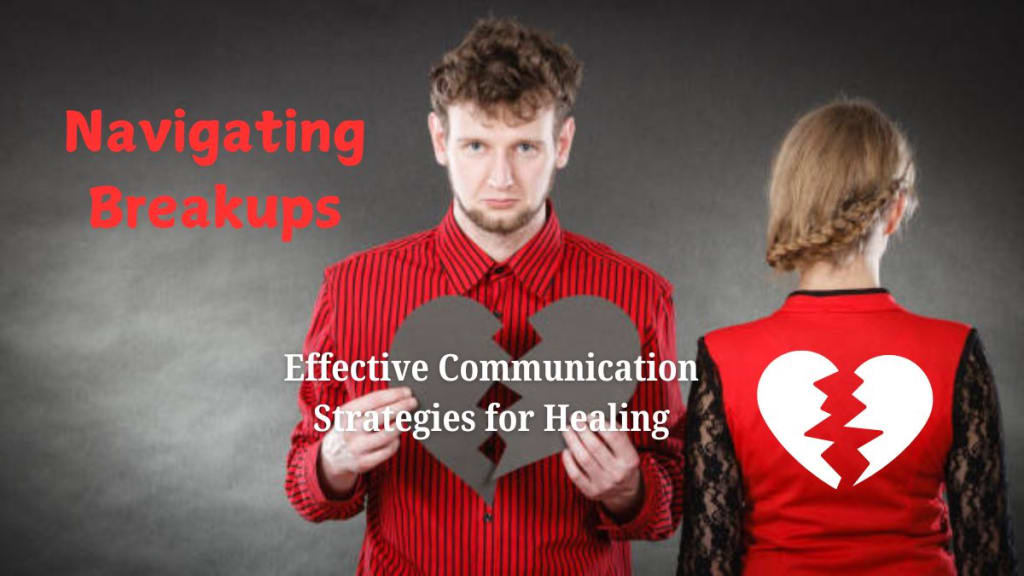
Breakups are often one of life’s most challenging experiences, and how we communicate during this time can significantly impact our emotional healing and future relationships. For women, navigating the end of a romantic relationship involves a unique set of emotional processes and communication strategies. In this article, we will explore effective methods for discussing breakups, processing emotions, seeking support, finding closure, and understanding how past relationships influence future ones.
Communication Strategies for Ending Relationships
Ending a relationship respectfully is crucial for both partners' emotional well-being. Here are some best practices:
1. Choose the Right Time and Place
Select a private, comfortable setting where both partners feel safe to express their feelings. Avoid public places, which may create unnecessary pressure.
2. Be Honest Yet Compassionate
When discussing the breakup, honesty is key. Clearly articulate your reasons for ending the relationship, but do so with compassion. Use “I” statements to share your feelings, such as “I feel that we have grown apart.”
3. Listen Actively
Allow your partner to express their thoughts and feelings without interruption. Showing that you value their perspective can help create a respectful dialogue, even in difficult moments.
4. Avoid Blame
Focus on your feelings rather than assigning blame. This approach can prevent defensiveness and promote a more constructive conversation.

Emotional Processing During a Breakup
Understanding Emotions
Women often experience a range of emotions during a breakup, including anger, sadness, and relief. It’s essential to acknowledge these feelings as a normal part of the healing process.
Communicating Feelings
Expressing emotions can be therapeutic. Journaling, talking to friends, or even seeking therapy can help articulate feelings and gain clarity. When women share their emotions with trusted friends, it fosters connection and understanding, which can ease the pain.
Embracing All Emotions
Recognizing the complexity of emotions can also help. It’s normal to feel relief after a breakup, especially if the relationship is unhealthy. Embracing this mix of feelings is an important step toward healing.

Seeking Support
The Importance of Social Support Networks
Having a strong support network is crucial during breakups. Friends and family can provide comfort, perspective, and encouragement.
Communicating Needs for Support
Women need to communicate their needs. Whether it’s asking for someone to listen or seeking distractions, being open about what they need can strengthen bonds and provide necessary relief.
Professional Support
In some cases, seeking professional help from a therapist can provide valuable coping strategies and emotional tools. Therapy offers a safe space to explore feelings and develop healthier communication patterns for the future.

Closure and Moving On
Seeking Closure Through Communication
Finding closure can be a vital part of the healing process. It often involves having final conversations with an ex-partner to clarify feelings and gain understanding.
The Role of Conversations with Ex-Partners
While it’s not always necessary, some women find it helpful to have a “closure” conversation. This might include discussing what went wrong, expressing gratitude for the good times, or simply saying goodbye. However, it’s essential to approach these conversations with caution, ensuring that both parties are ready for such discussions.
Moving Forward
Closure isn’t just about ending a chapter; it’s also about starting anew. After a breakup, women can focus on their personal growth and interests, which can lead to healthier future relationships.

Impact of Breakup on Future Relationships
How Past Breakups Influence Communication
Breakups often leave lasting impressions that shape future relationships. Women may carry forward lessons learned about communication, trust, and personal boundaries.
Recognizing Patterns
Understanding how past relationships have influenced communication styles can help women identify patterns. For instance, if a previous partner was dismissive, they might be more cautious in expressing their feelings in future relationships.
Building Healthier Connections
By reflecting on past experiences, women can approach new relationships with greater awareness and intention. This self-reflection can lead to healthier communication patterns and stronger emotional connections with future partners.

FAQs:
Q-1 What are some effective ways to initiate a closed conversation with an ex-partner?
Answer: Initiating a close conversation with an ex-partner can be a delicate process. It's important to choose the right time and place, ideally somewhere private and comfortable where both parties feel safe to express their feelings. Begin by reaching out to your ex with a clear intention. You might say something like, “I’ve been reflecting on our relationship and would appreciate the chance to talk. I think it could help us both find closure.” This approach sets a positive tone and shows that you aim to have a respectful and constructive conversation.
During the conversation, it’s crucial to communicate openly and honestly. Share your feelings about the relationship and what you’ve learned from the experience. It’s equally important to listen actively to your ex’s perspective. This two-way communication can foster understanding and help both parties find closure. Remember to keep the discussion focused on your feelings and avoid bringing up past grievances, as this can lead to defensiveness and derail the conversation.

Q-2 How can I better support a friend going through a breakup?
Answer: Supporting a friend through a breakup requires empathy and understanding. Start by being present and available to listen. Encourage your friend to share their feelings, whether they want to vent about their ex or discuss their emotions. Let them know that it’s okay to feel a mix of sadness, anger, and relief, and validate those feelings by saying things like, “It’s normal to feel that way.” Just being there to listen can provide significant comfort and help them process their emotions.
In addition to listening, offer practical support. This might include inviting your friends to do activities they enjoy, helping them stay distracted, or simply spending time together. You could suggest going for a walk, watching a movie, or trying a new hobby. Encouraging self-care is also essential; remind them to take care of themselves physically and emotionally during this challenging time. Your consistent support can make a meaningful difference in their healing process.

Q-3 What are some common mistakes to avoid during a breakup discussion?
Answer: One common mistake during a breakup discussion is bringing up past grievances or using blame language. While it’s important to express your feelings, focusing on what went wrong can lead to defensiveness and escalate tensions. Instead, use “I” statements to communicate your feelings without pointing fingers. For example, saying “I felt unappreciated in our relationship” is more constructive than saying “You never appreciated me.” This approach encourages a more respectful dialogue and helps keep the conversation productive.
Another mistake to avoid is rushing the conversation or trying to force closure. Breakups are emotional, and both partners may need time to process their feelings. Allowing space for silence and reflection can be just as important as the words exchanged. If emotions run high, it’s okay to suggest taking a break and revisiting the conversation later. Respecting each other’s emotional processes can lead to a more meaningful and healing discussion, ultimately contributing to a healthier resolution.
Conclusion
Navigating breakups is never easy, but effective communication can make the process more manageable. By employing respectful communication strategies, processing emotions openly, seeking support, and understanding the impact of past relationships, women can emerge from breakups with greater resilience and clarity. Each breakup can be an opportunity for growth, leading to healthier and more fulfilling relationships in the future. Embrace the journey, and remember that healing takes time, but it is entirely possible.
Special Thanks Note
I would like to extend my heartfelt thanks to Unsplash for providing such an incredible collection of high-quality images that enhanced this article. Your platform has made it easy for creators like me to find stunning visuals that perfectly complement our work. The generosity of talented photographers sharing their art helps inspire and elevate content, making it more engaging for readers. Thank you, Unsplash, for your invaluable contribution to the creative community!
About the Creator
Abdul Jamil Nasir
Hello! I’m Abdul Jamil Nasir, a passionate writer exploring life, love, and culture. I focus on relationships, personal growth, and human emotions, believing in the power of words to inspire and connect with readers.
Keep reading
More stories from Abdul Jamil Nasir and writers in Humans and other communities.
Are We Shifting to a 5D Planet? Signs You Are Already Living in Higher Consciousness.
In recent years, a growing chorus of spiritual thinkers, channelers, and everyday people has been buzzing about a profound transformation sweeping across our planet. This isn't just another trend in wellness or self-help; it's a fundamental shift in the very fabric of reality. We're talking about the ascension from a 3D (third-dimensional) existence—rooted in duality, fear, separation, and material focus—to a 5D (fifth-dimensional) state of being, characterized by unity, unconditional love, intuition, abundance, and co-creation. But is this shift really happening? And if so, how can you tell if you're already tuning into this higher frequency?
By Wilson Igbasiabout 23 hours ago in Humans
A More Human Vocal
When we launched Vocal nearly a decade ago, the world was a very different place. LLMs did not exist, and stories were created one at a time by people sitting down to write, revise, and share something personal. Many of our assumptions about publishing, trust, and participation were built for a world where effort and output were inseparable.
By Justin @ Vocal4 days ago in Resources




Comments (1)
Hey, just wanna let you know that this is more suitable to be posted in the Lifehack community 😊