
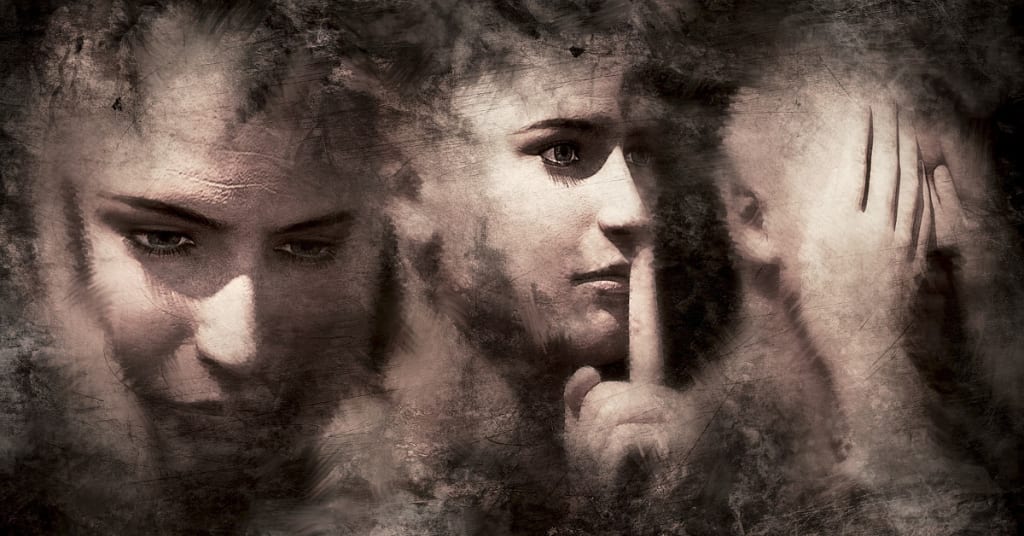
The story of Narcissus from Greek mythology has become a metaphor for self-love and self-obsession. The tale has been passed down through generations and has inspired various forms of art, literature, and psychological theories. Narcissism, is not just a concept from mythology; it is also a term used in psychology to describe a personality trait and a mental disorder.
Psychological narcissism, as defined by psychologists, refers to a pattern of traits and behaviours characterized by an excessive sense of self-importance, a constant need for admiration and validation, and a lack of empathy for others. Narcissistic individuals often have a grandiose view of their own abilities and achievements, and may exploit others to achieve their own goals. They have difficulty maintaining healthy relationships because of their inability to consider the needs and feelings of others.
Psychologists often categorize narcissism into different types, such as grandiose narcissism and vulnerable narcissism. Grandiose narcissists display an overt sense of superiority and entitlement, while vulnerable narcissists tend to be more sensitive and defensive, often experiencing feelings of insecurity and self-doubt despite their outward bravado.
It's true that narcissism exists on a spectrum, with some individuals displaying narcissistic traits without necessarily meeting the criteria for a clinical diagnosis of NPD. Understanding these distinctions is crucial when discussing narcissism in the context of psychology.
Grandiose narcissism, characterized by extroversion, dominance, and a strong desire for attention and power, can lead individuals to pursue positions of influence and authority for self-serving reasons. Vulnerable narcissism, on the other hand, involves a sense of entitlement and a tendency to feel slighted easily, often leading to resentment and aggression when their self-image is challenged. Both forms can have negative consequences in interpersonal relationships and professional settings.
Narcissistic Personality Disorder, as described, involves a pervasive pattern of grandiosity, a need for admiration, and a lack of empathy, among other traits. Importantly, these traits cause significant distress and impairment in various areas of life, making it a diagnosable mental health condition.
Genetics plays a role in predisposing individuals to narcissism, as evidenced by twin studies. Additionally, early experiences and parenting styles can significantly impact the development of narcissistic traits. Children who are excessively praised and placed on a pedestal by their parents might develop grandiose narcissism, while those who experience cold and controlling parenting may develop vulnerable narcissism.
Cultural factors, such as societies that emphasize individuality and self-promotion, can also contribute to the prevalence of narcissistic traits. The shift in societal values, as seen in the United States from the communal focus of the 1960s to the self-esteem movement and materialism of the 1970s onwards, has been linked to the rise in narcissism as a personality trait.
When it comes to addressing narcissistic traits, psychotherapy and cultivating compassion toward others can be helpful. Therapy can provide a safe space for individuals to reflect on their behaviour, understand the underlying causes of their narcissistic tendencies, and develop healthier coping mechanisms. Practising compassion and empathy can also help narcissists develop a more balanced perspective and improve their relationships with others.
However, self-reflection can be challenging for individuals with narcissistic personality disorder, especially when it involves confronting unflattering aspects of themselves. Overcoming these challenges often requires sustained effort, willingness to change, and support from mental health professionals, friends, and family members.
About the Creator
Keep reading
More stories from writers in Humans and other communities.
The Angry Man in Your House
"If you grow up with an angry man in your house, there will always be an angry man in your house" This statement has caused plenty of controversy online, people say its a statement that blames victims while also undermining those who break traumatic cycles to form health relationships... but if I'm honest now that I'm in my 30s it makes more sense to me than ever, and I'd argue that its not just about fathers and uncles.
By S. A. Crawford2 days ago in Humans
Chappell Roan and the Loneliness That Lives Inside Loud Music
Some music sounds loud but feels empty. Other music sounds playful, colorful, even dramatic, yet carries a quiet ache underneath. Chappell Roan lives in that second space. Her songs feel bright on the surface, but they often carry loneliness, longing, and emotional exposure just beneath. Listening to her can feel like smiling through something that still hurts. That tension is part of why people stay with her work. She does not pretend confidence is permanent or that visibility erases fear. Instead, she lets contradiction exist. This article explores Chappell Roan as an artist shaped by emotional honesty, distance, desire, and self-awareness. Her story matters not because it is loud, but because it speaks to the quiet feelings people carry when they think no one is watching.
By Muqadas khan7 days ago in Humans
Super Bowl LX Recap: A Team Called Hawks
Sixty. The Super Bowl turned 60! Still amazes me that this was the sixtieth Super Bowl played in NFL history. It seems like yesterday that I watched Super Bowl XXVII, the first SB I ever watched. The QB who won Super Bowl XXVII has since called a few SBs, and will call next year's game, but that's another story. Super Bowl LX took place at Levi's Stadium in Santa Clara, California, the home stadium of the San Francisco 49ers. However, it was one of their division foes who represented the NFC, as the Seattle Seahawks faced off against the New England Patriots.
By Clyde E. Dawkinsabout 8 hours ago in Unbalanced
Self Help: Grifters' Gospel
On Self-Help, Snake Oil, and the Illusion of Change Psychology professionals and students can be imagined on two opposite sides of a line called self-help books: likely a larger group opposes pop-science and step-by-step manuals filled with talk of success, journaling, and not giving a f**k; others love them, but they aren’t many.
By Avocado Nunzella BSc (Psych) -- M.A.P 7 days ago in BookClub




Comments (2)
I love psychology! This is great!
Excellent piece of work