
Myths about workout training
Some aspects for healthy exercise

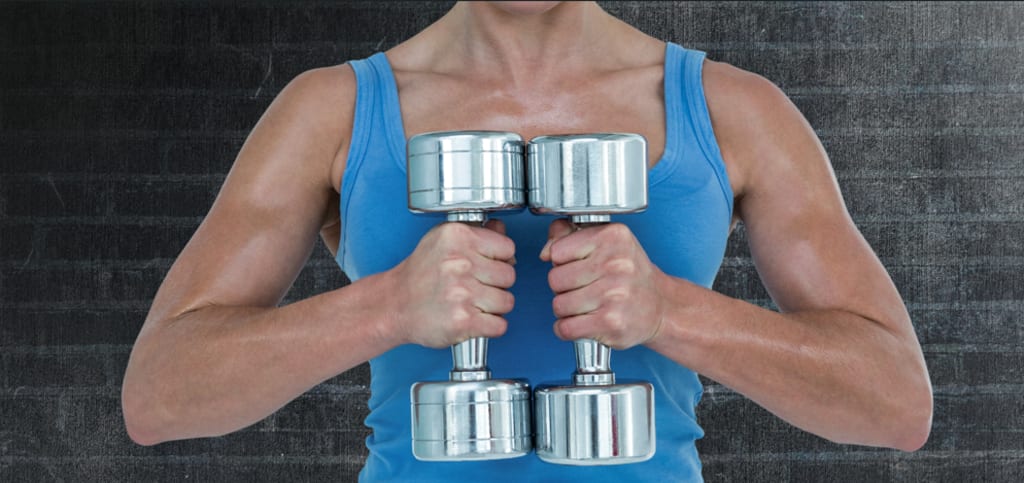
One of the most common misconceptions is that unused muscle tissue turns into fat. It’s essential to emphasize that muscle tissue is made up of muscle cells, while fat tissue consists of fat cells, and these are in no way interchangeable. Neither chemically nor physically is it possible for muscle tissue to transform into fat, or vice versa, for fat to turn into muscle.
Morning workouts on an empty stomach are more favorable for fat burning because when you wake up, your body is in a fasted state. This means your body is primarily drawing on its own resources, utilizing fat stores and muscle reserves. If your goal is to lose weight, slim down, and tone your body, this time of day offers the optimal window to maximize your training. If you have time to work out in the evening, make sure not to overexert yourself during the day so that your workout is both effective and you still feel motivated to get started.
Another common myth is when after the holidays we say, "I just want to lose weight here," and start pinching our lower belly. The bad news is that spot reduction doesn't exist. The good news, however, is that it doesn't work the other way around either: eating a cheeseburger won't automatically make it go straight to your stomach.
If your goal is to reduce body fat, cardio is not the best method because cardio doesn't burn fat—it burns calories. If you want to lose weight, you need to be in a calorie deficit. While cardio can help with that, if you don't pay attention to your nutrition or control your calorie intake, no amount of cardio will compensate for a poor diet. In fact, too much cardio can actually be harmful, as it breaks down muscle tissue, which can slow down your metabolism, reduce bone density, and make you weaker.
Another common belief is that muscle is heavier than fat. A pound of bricks weighs the same as a pound of feathers. Muscle isn’t heavier—it’s denser than fat. So, if you're building muscle, your weight may increase, but the scale is not the best indicator of progress. In the beginning, you might build muscle, and the scale may show that you're heavier, but as you build more muscle, you'll achieve long-term, sustainable changes in your body composition—unlike if you're only doing cardio and starving yourself through a calorie deficit.
If you're exercising for general health and well-being, you shouldn't be afraid of lifting heavy weights. You won't become overly muscular because that's not how your body is genetically predisposed. In fact, weightlifting is especially important for women, as we become more prone to osteoporosis as we age. That's why resistance training is crucial—it helps stimulate your muscles so your bones stay strong.
Whether you're male or female, you don't necessarily need weights to build strength. The myth that strength training can only be done in a gym is completely wrong. Your body itself is weight, so bodyweight exercises are effective too. You should be able to push your body up, squat, do sit-ups, and pull-ups. To get a "six-pack," you don't need to do endless sit-ups. The key is in your nutrition; the six-pack is made in the kitchen.
If you want to specifically target your muscles with sit-ups, leg raises, bicycle crunches, or side twists, you are building muscle. Think of it like building the engine of a car, while the external body is your body fat. How do you reveal the engine? You need to reduce body fat.
Many people think that if they sweat, it means they had a really good workout. Unfortunately, that's not true. Some people are naturally more prone to sweating, while others have underactive sweat glands. It doesn't necessarily mean you're unhealthy or that your body's filtering system isn't working well, but it doesn't necessarily reflect the effectiveness of your workout. If you sweat a lot, how do you replenish the lost fluids? I wouldn’t say that most commercially available sports drinks are the most effective for post-workout hydration, but plain water isn't enough either. Hydration is not just about water; electrolytes are important as well, as they help with nerve impulse transmission, brain function, and muscle contractions.
If you're looking for the best post-workout hydration, adding a pinch of Himalayan pink salt to your water can be really helpful. Himalayan pink salt contains over 60 trace minerals, many of which are naturally found in human sweat.
You may also have heard that you need to consume protein immediately after a workout. If you're already following a high-protein diet, you don’t have to worry too much about having a protein shake right after. However, if you're doing aerobic exercise, you’ll be losing glycogen, which you need to replenish. Glycogen is the direct energy source for muscle contractions, and it comes from carbohydrates and sugars.
It’s important to replenish glycogen after your workout, but even if you're following a proper diet, your muscles need time to recover. The myth of "no rest days" is an extreme. Rest is valuable because when you do exercises like bicep curls, you're creating small tears in the muscle, and your body starts repairing it. If you continue without giving your body time to rest, your muscles won't be able to recover. Your muscles need rest, especially if you feel pain. Pain doesn't mean you're getting stronger or weaker. If pain lasts more than 72 hours, it may indicate that you're not resting enough or overtraining.
Lastly, a month isn't enough to undo years of bad habits. It's important to start slow and find physical activities that you enjoy and feel good doing. If you make them a habit every day, that's the best approach. There is no one-size-fits-all method, and no one exercise that's best for everyone. If you love dancing, go dance three times a week, or join a dance cardio class, or do whatever gets you moving. The best exercise is the one you enjoy, because that's the only way you’ll make exercise a lifestyle.
About the Creator
The CEO of Everything
They say "jack of all trades, master of none," but they forgot to mention the part where the jack of all trades is also the camera woman, the makeup artist, and the person currently yelling at a tangled Wii microphone cable in a her own bathroom while recording herself singing and trying to make it look realistic and professional. (As professional as you can make it with nothing but a cell phone camera and a mic that doesn't work)
By Sara Wilson4 days ago in Humans
The Sound of Rain
The first thing I noticed was the sound. Not the gentle, polite drizzle that whispers against windows, but a persistent, almost stubborn rainfall that seemed determined to be heard. It filled the room with its insistent rhythm, a sound both familiar and strange, as if it were trying to tell me something I had long forgotten. I sat on the edge of my bed, laptop abandoned on my knees, and let it wash over me.
By Salman Writesabout 20 hours ago in Humans



Comments