
Mental Fitness for Life
An Instruction Manual for Maintaining Lifelong Brain Fitness.


The media and corporate worlds are rapidly embracing brain fitness. The majority of the current attention is on "brain-training" methods to improve cognitive performance. Even while this is a good thing, we must never forget that cognitive health depends on the physical well-being of the brain. All the evidence demonstrating the cognitive advantages of a healthy diet, regular exercise, and adequate sleep must not be disregarded.
We sincerely hope that enthusiasts don't lose sight of the significance of the physical health of the brain and all the systems it communicates with as the brain fitness industry continues to grow and people discover all the amazing brain-training tools being produced. The brain is distinctive in that it houses our mental, emotional, and cognitive abilities. It is a "cognitive" organ that craves the stimulus that comes from brand-new encounters and difficulties. Numerous brain fitness regimens aim to meet this need. The brain is a physical organ, though, and it follows many of the same laws as the liver, kidneys, heart, lungs, and other bodily organs. Good nutrition, exercise, and enough sleep are necessary for maintaining health and performing at one's best.
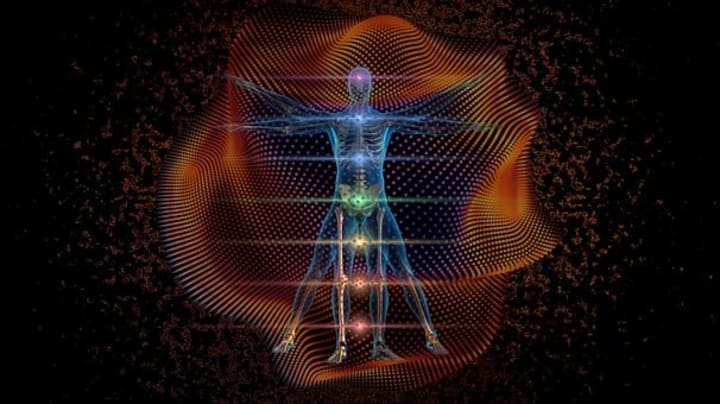
A healthy circulatory system is crucial for the brain's ability to efficiently distribute oxygen, essential nutrients, and waste. To meet its high energy requirements, the brain requires 20% or so of the oxygen we breathe. We can consider the brain an energy glutton and must carefully attend to its needs because it only makes up roughly 2% of the body's weight.
For proper brain function, nutrients are essential. Clinical investigations have demonstrated the effectiveness of several in treating cases of mood disorders, cognitive decline, and, of course, improving brain health. In addition to being essential for controlling the activity of the genes involved in these processes, nutrients are also the building blocks used in the process of forming new brain connections.
For many aspects of brain function, some nutrients that are involved in mitochondrial efficiency, the energy factories of brain and body cells, are particularly crucial. The inner workings of neuronal membranes, which are in charge of ensuring that the electrochemical signals that constitute our thoughts are transmitted effectively and dependably, also involve other nutrients. Finally, despite their importance throughout the body, antioxidants are particularly crucial in the brain due to the organ's high rates of energy production and high propensity for free radical leakage. With this in mind, it becomes clear that nutrition cannot be overlooked because it supplies the building blocks for our brain's structure and functionality.
Additionally, exercise is a well-known factor in promoting brain health. We can no longer believe that the brain and body are two entirely different things. Human studies have demonstrated the benefits of exercise in reducing stress and maintaining a happy outlook, as well as in enhancing memory and executive function and the two-way communication between the brain and the rest of the body. Exercise's beneficial effects on neurovascular health, which mirror cardiovascular health, are probably responsible for some of these advantages.
Additional advantages appear to be related to increased grey matter in the cortex's "front office" tasks and neurogenesis in the hippocampus, a part of the brain that regulates memory and mood. Whatever the mechanism, working exercise will have a significant positive impact on the health of your brain. Keep in mind that your brain and body will be connected for the duration of your life and that a moving body tends to stay that way.
For the best and continued operation of the brain, mental activity is an evident and essential component. According to studies, the level of lifetime mental activity and late-life cognitive performance are related. persons who regularly engage in mentally demanding activities benefit from having a clear mind. But each person must strike a balance between an appropriate level of challenge and enough variation. Without diversity and difficulty, things become monotonous and simple, becoming eventually stale and losing their ability to sufficiently excite the brain. Additionally, we must be aware that mental activity extends beyond 'cognitive' tasks.
Additionally, mental activities include social engagement, relaxation and stress-reduction strategies, and meditation. These dynamic, active processes also put the mind to the test. Combining cerebral exercises with emotional control exercises gives your brain a more thorough workout that will help you use it to grow.
A frequently overlooked factor that contributes to brain health is getting enough sleep. We now sleep 1.5 hours less every night than we did 100 years ago, on average. Our hectic lives and modern technology both make it simpler to get less sleep. Sleep is much more than just a moment of relaxation, and it's far too common to mistake it for a time when productivity is lost. For our brains, it is a time of active metabolic activity. Memory consolidation occurs during sleep, and it's also when we re-synchronize the circadian cycle of dozens, if not hundreds, of hormones that regulate our metabolism. Our ability to think clearly is undoubtedly decreased by lack of sleep, which is linked to a large number of mental disorders. Recognizing that stealing from it is ineffective will allow us to sleep.
We promote paying equal attention to all aspects of one's lifestyle that contribute to maintaining one's mental, emotional, and physical well-being. The importance of "brain training" programs and the preservation of cognitive health are topics that the aging population of today is focusing on more and more. But we must understand that such training is comparable to that of an athlete, who in addition to their physical skill development, must concentrate on their diet, sleep requirements, and psychological preparation. understand how diet, exercise, mental activity, and sleep control the emotional, physical, and cognitive processes of the brain, we must examine specific components of each. They aren't really separate, after all.
“It is our responsibility to maintain good physical health because doing so will enable us to maintain sharp minds”
About the Creator
RS Creation
Search makes a person perfect, and in today's modern technology world, new information is learned through search.
He is created as a man. I am happy to share with you the many information that I have read and learned through my search.
Keep reading
More stories from RS Creation and writers in Humans and other communities.
EARTHQUAKES
An earthquake can occur at any time and anywhere. Nothing concrete can be foreseen in this regard. Scientists have identified specific areas where the likelihood of an earthquake appearing is relatively high based on earthquakes that have already occurred.
By RS Creation 3 years ago in Journal
Autonomy Is The Real Privilege
Good morning, freedom-seekers! Today we’re gonna be looking at autonomy. A strange word, I know; one many would probably look at blankly and run away from on sight. We’re gonna figure out what it actually means, consider how it’s achieved, and decipher just how deeply most of us are tangled up in dependence without realising it.
By That ‘Freedom’ Guyabout 9 hours ago in Humans




Comments
There are no comments for this story
Be the first to respond and start the conversation.