
Meditation and the Benefits It Brings to Treating Depression
This might seem like a minor benefit—but it's actually one of the most powerful reasons why meditation can help treat your depression.

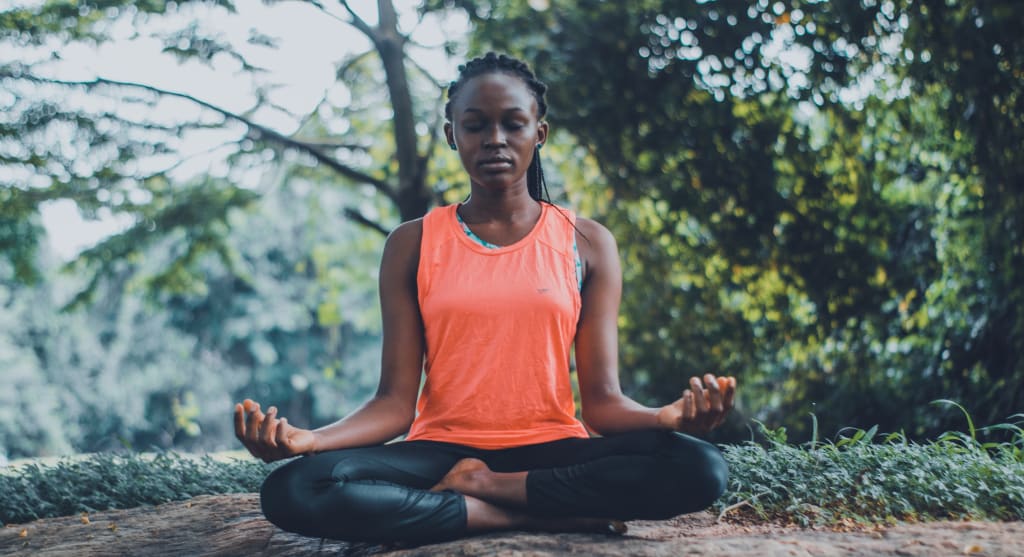
Meditation has been proven to help treat depression. In fact, it can be just as effective as antidepressant medication for some patients. When we meditate, we focus on our own thoughts and feelings in order to calm our minds and emotions. Through this mindfulness practice, we learn how to accept ourselves in the present moment without judgment or criticism.
Meditation leads to a deeper understanding of worry.
Meditation allows you to understand that worry is just a feeling, and not a fact. Worrying is not a solution, it is a problem. Worrying wastes time and energy that could be better spent on more productive activities.
Meditation allows you to appreciate the present moment.
In addition to allowing you to focus on the present moment, meditation can also help you be more aware of your thoughts and emotions. This awareness will allow you to better understand how these feelings are affecting your life and what needs to change in order for them to improve.
For example, if you're depressed because of a specific situation or person in your life, being mindful of this fact through meditation may provide some clarity on how best to proceed with resolving it. It's also important that when dealing with depression that people realize they're not alone in their struggle; there are many others who have gone through similar experiences over time which means there's no reason why they can't get through theirs as well!
It will teach you how to focus your attention on the here and now.
The next step for treating depression is to learn how to focus your attention on the here and now. In meditation, we are taught this skill by focusing on the breath. Our minds have a tendency to wander and think about the past or future (a lot), but if we can train ourselves to be present in the moment, then we can experience joy in our lives now.
In order to help you focus your attention so that you can meditate more easily, try this exercise:
- Focus on the sensation of your breath as it enters your nostrils or mouth and travels down into your lungs. Notice where it feels most prominent—is it at the tip of your nose? Or perhaps right behind your upper lip? Try taking a few deep breaths like this until you start noticing how good it feels just being able to breathe without inhibition. Don't worry if thoughts continue coming up—just let them be there without judgement! And remember that each time they come up again, gently bring yourself back into awareness of what's happening right now instead of letting those thoughts lead where they want (which could be anywhere from "what's for dinner?" all the way down into anxiety territory).
It is not a cure but it helps manage the symptoms.
It is important to note that meditation is not a cure-all for depression or anxiety. However, it can help you manage some of the symptoms and find ways to cope with them in a healthy way. For example, meditation has been shown to decrease hyperactivity and increase focus in patients who were diagnosed with ADHD as children. Additionally, it has been shown to help people manage stress by increasing their ability to remain calm under pressure or when faced with high levels of stressors.
It will help you become more aware of your own thoughts and feelings.
Meditation will help you become more aware of your own thoughts and feelings. This is especially important if you're someone who struggles with depression. In fact, meditation has been found to be an effective treatment for depression because it helps people become more aware of their own emotions, as well as how their moods affect them in the moment.
At first, this might seem like a minor benefit—but it's actually one of the most powerful reasons why meditation can help treat your depression. The more you know about what makes you feel good and bad about yourself, the better equipped you'll be to make changes in areas where necessary (like quitting smoking or going back to school).
It teaches us to admit our emotions instead of hiding or repressing them.
This is one of the most important benefits meditation offers. In a world where we are taught to ignore our negative emotions, it can be hard for us to identify what is wrong with us and why we feel that way. Meditation helps you become aware of your thoughts and feelings so that you can learn how to deal with them in a more healthy manner instead of ignoring them until they grow into something much larger than yourself.
There are many different types of meditation, so there is something for everyone.
Meditation can be done in many different ways. There are a variety of approaches to meditation, including mindfulness, transcendental meditation (TM), Kundalini yoga and others. The most important thing is that you find one that you enjoy and stick with it.
Meditation can be practiced anywhere at any time, so no excuses! You don’t need a special place or equipment to practice; all you need is yourself and your breath. As long as you have these two things, it doesn’t matter if your bedroom looks like a tornado hit it or if there's nowhere quiet outside to sit down on the street—you can still meditate wherever life takes you!
There are also various forms of group meditation available for those who want them. These include sitting in silence together for 10 minutes every day during lunch break at work (as many companies now encourage), attending weekly classes held by local teachers or visiting retreats throughout North America where participants spend days together practicing stillness together under constant supervision from experienced teachers who know how best teach this process without overwhelming beginners without extensive knowledge themselves."
Meditating can be a helpful tool for treating depression, helping us appreciate what we have in the present moment, relieving stress and anxiety, and allowing us to lead healthier, more productive lives
Meditation is a powerful tool for treating depression. It can help you:
- Appreciate what you have in the present moment, rather than worrying about tomorrow or ruminating about yesterday. This is known as mindfulness meditation, and it helps us focus on what we're doing right now instead of feeling overwhelmed by negative thoughts or emotions. Mindfulness also teaches us how to appreciate small moments in life that we might otherwise overlook. These small moments could include a sunset, smelling freshly cut grass after rainstorms, playing with our pets (or children), or eating dinner with family members who love us unconditionally—even if they don't always agree with our decisions!
- Relieve stress and anxiety by learning how to relax into the present moment without worrying about future events that may never happen anyway (like getting fired from your job next week). Anxiety can be overwhelming if left untreated; mindfulness allows us some relief from these feelings while also teaching coping mechanisms so they don't control every aspect of our lives moving forward.
- Become more aware of our own thoughts and feelings so we can better understand where exactly those feelings came from in order then address them head-on when necessary instead of ignoring them until things get worse later down road (which often happens when people don't take care themselves first before thinking about others).
Conclusion
I hope this article has provided you with some insight into how meditation can be used as a tool for treating depression. As I mentioned above, it is not a cure and does not work for everyone but it is worth trying out if you are suffering from this debilitating condition.
About the Creator
Courtanae Heslop
Courtanae Heslop is a multi-genre writer and business owner.
Keep reading
More stories from Courtanae Heslop and writers in Humans and other communities.
Five Steps to Loving Yourself Despite Your Own Fears
We are all afraid of something. This is natural, normal, and even healthy so long as it doesn’t control our lives. Fear is a warning sign that something might be dangerous or risky. But what do you do when you feel those fears so deeply that they threaten to bring your life to a screeching halt?When we allow fear to control us, we stop doing things that could potentially make us happy. We stop reaching out to others, trying new things, and living with purpose. Most frightening of all, we stop loving ourselves because if there’s one thing most people understand (regardless of how much they might try to pretend differently), it’s that the only person who can truly love you is yourself. That place inside you where trust and faith reside; a belief in your own abilities and self-worth.
By Courtanae Heslop4 years ago in Humans
Rihanna’s Beverly Hills Home Hit by Gunfire: What We Know About the Frightening Incident
A terrifying incident unfolded in Los Angeles after the home of global music icon Rihanna was reportedly targeted by gunfire, sending shockwaves across the entertainment world.
By Omasanjuwa Ogharandukun6 days ago in Humans




Comments
There are no comments for this story
Be the first to respond and start the conversation.