
Mansa Musa's Remarkable Reign
The Short Remark Of An African Legend And The World Richest Man
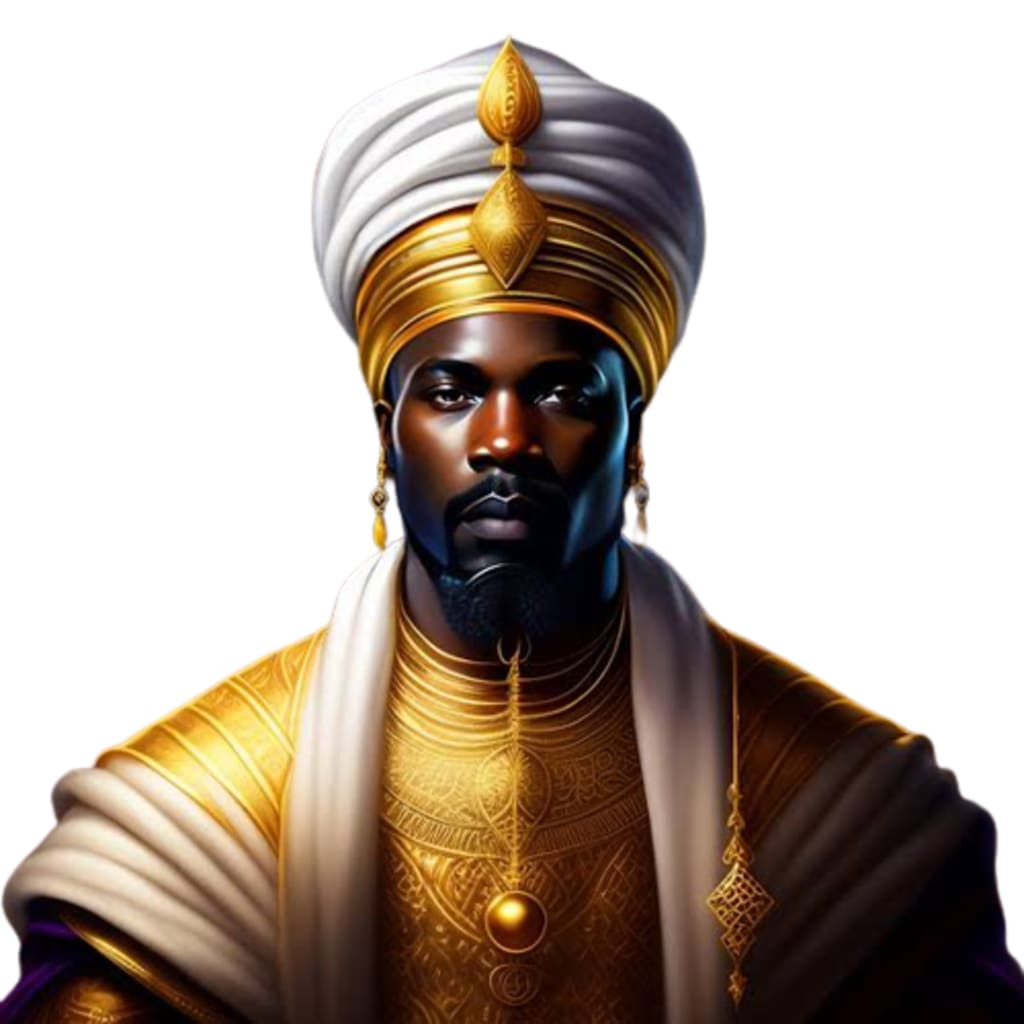
Birth and Early Life (1280-1307)
Mansa Musa, also known as Musa I of Mali, was born in 1280 in the town of Niani, part of the Mali Empire in West Africa. He was a member of the Keita dynasty, a royal family that had ruled Mali for several generations. His father, Faga Laye, was the ruler of Niani, and his mother's name was Nana Triban.
From an early age, Musa was groomed for leadership and received a comprehensive education, which included the study of Islamic teachings, literature, and the arts. He was particularly drawn to Islamic scholarship and became well-versed in Quranic studies and Arabic. Musa's exposure to Islam deeply influenced his worldview and would play a significant role in shaping his reign as Mansa (Emperor) of Mali.
Rise to Power and Consolidation (1307-1312)
In 1307, at the age of 27, Mansa Musa ascended to the throne of Mali following the death of his father. His coronation marked the beginning of a transformative era in the history of the Mali Empire. Musa inherited a prosperous kingdom, rich in gold and other valuable resources, with a well-established trading network that stretched across the Sahara Desert.
As the new emperor, Musa embarked on a mission to consolidate his power and strengthen Mali's influence in the region. He reorganized the administration, appointing competent officials and governors to oversee different regions of the empire. Musa also implemented economic reforms to foster trade and encourage agricultural production, which further enhanced Mali's wealth and stability.
Hajj Journey and International Recognition (1312-1313)
One of the defining moments in Mansa Musa's life came in 1312 when he embarked on a legendary pilgrimage to Mecca, known as the Hajj. The journey not only held great religious significance for Musa but also served as a strategic opportunity to establish diplomatic ties and showcase the wealth and power of the Mali Empire to the world.
Accompanied by a large entourage, including scholars, merchants, and soldiers, Musa embarked on a remarkable expedition across the Sahara Desert. The grandeur of his caravan, with its abundant gold, exquisite textiles, and lavish gifts, captivated the people along the way and left a lasting impression on the cities and towns he visited.
Mansa Musa's Hajj pilgrimage earned him international recognition and turned him into a global figure. His immense wealth and generosity astounded the people he encountered, and his reputation as one of the richest men in history began to take hold. Musa's pilgrimage also deepened his connections with the Islamic world, resulting in significant cultural and scholarly exchanges between Mali and other Muslim states.
Patronage of Education and Arts (1313-1324)
Upon returning from his Hajj journey, Mansa Musa became even more committed to promoting education and the arts within the Mali Empire. He brought back numerous scholars and Islamic teachers, establishing mosques and madrasas (educational institutions) in major cities, including Timbuktu and Gao.
Musa's patronage of education and arts attracted scholars from across the Muslim world, turning Timbuktu into a renowned center of Islamic scholarship and intellectual exchange. The emperor's support for learning also led to the establishment of libraries and the preservation of important texts, contributing to the intellectual and cultural flourishing of Mali.
Architectural Legacy and Urban Development (1324-1337)
Mansa Musa's reign witnessed remarkable advancements in urban development and architecture throughout the Mali Empire. He commissioned the construction of numerous mosques, palaces, and public buildings, reflecting both his religious devotion and
his desire to showcase the wealth and grandeur of his empire.
One of the most famous architectural projects associated with Musa is the Great Mosque of Timbuktu, also known as the Djinguereber Mosque. It was built using traditional Sudano-Sahelian architectural techniques and stood as a testament to the empire's prosperity and cultural richness. Musa's investments in urban development transformed cities like Timbuktu and Niani into thriving cultural and commercial centers, attracting traders, scholars, and artisans from far and wide.
Later Years and Legacy (1337-1337)
In the later years of his reign, Mansa Musa continued to consolidate Mali's power and strengthen its trade networks. However, the empire faced challenges from internal rebellions and external pressures, including raids from nomadic groups and territorial disputes with neighboring states. Musa took steps to address these issues, but the strain of ruling took its toll on him.
Mansa Musa passed away in 1337, leaving behind a lasting legacy as one of the most influential figures in African history. His reign marked a golden age for the Mali Empire, characterized by economic prosperity, cultural flourishing, and diplomatic connections with the wider world. Musa's Hajj journey and his reputation as a generous patron brought Mali into the global spotlight and established its reputation as a center of wealth and scholarship.
Beyond his accomplishments, Mansa Musa's reign demonstrated the potential for African empires to achieve greatness and contribute to world history. His commitment to education, the arts, and urban development left a lasting impact on the region, fostering a rich intellectual and cultural heritage that endures to this day. Musa's story serves as an inspiration for future generations, highlighting the achievements and potential of Africa's diverse and vibrant societies.
Economic Policies and Trade Expansion (1337-1337)
During the later years of Mansa Musa's reign, he continued to implement economic policies that aimed to strengthen Mali's trade networks and expand its influence. Recognizing the importance of commerce in sustaining the empire's prosperity, Musa took several measures to promote trade both within and beyond Mali's borders.
Mansa Musa encouraged the development of key trade routes, particularly those that traversed the Sahara Desert. He invested in the construction of wells, rest stations, and caravanserais along these routes, providing vital support for merchants and facilitating the exchange of goods. Musa's initiatives not only enhanced the efficiency and safety of trade but also attracted merchants from distant lands, further enriching Mali's economic landscape.
Under Musa's rule, Mali's position as a major supplier of gold reached new heights. The empire's vast gold reserves, obtained from the rich mines in the region, became a valuable commodity that fueled international trade. Musa established strict regulations regarding gold mining and trade to maintain control over this precious resource and ensure its continuous flow into the empire.
Succession and Challenges (1337-1337)
Following Mansa Musa's death in 1337, the question of succession emerged as a significant challenge for the Mali Empire. His sons, Maghan I and Mansa Magha II, both laid claim to the throne, leading to a period of instability and internal strife. This power struggle weakened the empire's unity and hindered its ability to effectively respond to external threats.
Amidst the succession dispute, neighboring states and nomadic groups saw an opportunity to exploit Mali's vulnerabilities. Raids and territorial encroachments intensified, posing a significant threat to the empire's territories and trade routes. The internal divisions within Mali made it difficult to mount a unified defense, and the empire gradually lost some of its previously held territories.
Legacy and Impact (1337-Present)
Despite the challenges faced in the aftermath of Mansa Musa's reign, his legacy as a visionary leader and promoter of Islamic scholarship and trade endured. Mali's cultural and intellectual heritage continued to flourish, with Timbuktu remaining a renowned center of learning for centuries to come.
Mansa Musa's pilgrimage to Mecca left an indelible mark on the collective imagination of the Islamic world. His immense wealth and generous donations along the way not only brought international recognition to Mali but also inspired future travelers and explorers. Musa's hajj contributed to a greater understanding of the African continent and its cultural richness, dispelling misconceptions and fostering dialogue between different civilizations.
The economic policies implemented by Musa, along with his patronage of trade and infrastructure development, laid the foundation for Mali's continued participation in regional and trans-Saharan commerce. The empire's role as a hub for trade, knowledge exchange, and cultural diffusion persisted, influencing subsequent West African kingdoms and contributing to the overall development of the region.
Today, Mansa Musa is celebrated as a symbol of African greatness and achievement. His story exemplifies the potential of African empires and the richness of the continent's history. The legacy of Mansa Musa continues to inspire future generations, highlighting the importance of visionary leadership, cultural exchange, and economic prosperity in shaping societies and leaving a lasting impact on the world stage.
Mansa Musa's Cultural and Religious Influence (1337-Present)
Mansa Musa's reign had a profound impact on the cultural and religious landscape of Mali and the wider West African region. His patronage of education and the arts, coupled with his promotion of Islam, left a lasting imprint on the society and spiritual practices of the empire.
Musa's support for Islamic scholars and the establishment of madrasas and libraries in major cities fostered a vibrant intellectual environment. Timbuktu, in particular, became a center for the production and preservation of Islamic manuscripts, attracting scholars from various parts of the Muslim world. The city's libraries housed countless texts on a wide range of subjects, including theology, law, history, and astronomy, which contributed to the advancement of knowledge and scholarship.
Mansa Musa's commitment to Islam extended beyond scholarly pursuits. He commissioned the construction of magnificent mosques, such as the Djinguereber Mosque in Timbuktu and the Sankore Mosque in Mali's capital, Niani. These architectural masterpieces not only served as places of worship but also as centers for community gatherings, education, and the dissemination of Islamic teachings.
The spread of Islam during Musa's reign was not limited to the confines of the Mali Empire. His international reputation and connections resulted in increased interactions with other Muslim states, enabling the exchange of ideas, trade, and religious practices. Musa's pilgrimage to Mecca further enhanced the ties between Mali and the wider Islamic world, cementing the empire's position as a prominent center of Islamic civilization.
Mansa Musa's Influence on African Identity and Heritage (1337-Present)
Mansa Musa's legacy extends beyond his religious and cultural influence. He played a significant role in shaping African identity and heritage, both within Mali and beyond.
Musa's grand pilgrimage to Mecca shattered prevailing stereotypes and misconceptions about Africa, particularly in the Arab world and Europe. His immense wealth and the splendor of his entourage challenged prevailing narratives of Africa as a land of poverty and backwardness. Instead, Musa's journey showcased the riches, sophistication, and cultural achievements of the Mali Empire, leading to a reevaluation of Africa's place in global history and discourse.
Mansa Musa's reputation as one of the wealthiest individuals in history also underscored the economic prowess of Africa and its historical engagement in long-distance trade. The empire's control over gold mines and its participation in trans-Saharan commerce demonstrated the continent's rich resources and its integral role in global trade networks.
Furthermore, Musa's emphasis on education and intellectual pursuits, coupled with his patronage of the arts, contributed to the preservation and development of Africa's cultural heritage. The manuscripts and literary works produced during his reign continue to be studied and celebrated, shedding light on the diverse intellectual traditions of West Africa.
Mansa Musa's legacy serves as a source of pride and inspiration for Africans today. His story symbolizes the potential for African leaders to achieve greatness, foster cultural and intellectual advancements, and challenge prevailing narratives about the continent. The impact of his reign and his role as a global figure continue to shape discussions on African history, identity, and the contributions of African civilizations to the world.
Epilogue
Mansa Musa's life journey, from his birth in Niani to his transformative reign as Emperor of Mali, remains an extraordinary chapter in African history. His accomplishments as a ruler, his patronage of education and the arts, his Hajj pilgrimage, and his enduring legacy have secured his place as one of the most influential and revered figures in the annals of Africa's past.
The story of Mansa Musa resonates with people across the globe, serving as a testament to the strength, richness, and complexity of African civilizations. His contributions
continue to inspire generations, highlighting the importance of visionary leadership, cultural exchange, and the pursuit of knowledge in shaping societies and leaving a lasting impact on the world stage.
The legacy of Mansa Musa extends far beyond his lifetime, reaching into the present and influencing the collective consciousness of Africa and its diaspora. His story serves as a reminder of the resilience, ingenuity, and cultural wealth that have characterized African civilizations throughout history.
In contemporary times, Mansa Musa's legacy continues to inspire efforts aimed at reclaiming and celebrating African heritage. His achievements have sparked renewed interest in the study of African history, prompting scholars to delve deeper into the complex narratives and contributions of African empires and civilizations.
Furthermore, Mansa Musa's impact on the perception of Africa has prompted a reassessment of prevailing stereotypes and biases. His remarkable pilgrimage and his reputation as a wealthy and enlightened ruler challenge the narrow and limited narratives often associated with the continent. Musa's story serves as a powerful counter-narrative, highlighting Africa's historical agency, cultural richness, and global interconnectedness.
The influence of Mansa Musa can also be seen in the efforts to promote economic development and pan-African unity. His focus on trade, infrastructure development, and diplomatic relations has inspired modern initiatives aimed at fostering economic growth, regional integration, and cooperation among African nations. Musa's example continues to inspire leaders and policymakers to harness the continent's resources, talents, and potential for the benefit of its people.
Moreover, Mansa Musa's commitment to education and the arts remains relevant in contemporary Africa. Efforts to promote literacy, scholarly research, and artistic expression draw inspiration from his patronage of learning and cultural production. The cultural heritage of the Mali Empire, as exemplified by Timbuktu and other centers of intellectual activity, continues to be celebrated and preserved, fostering a sense of pride and connection to Africa's past.
In conclusion, the life and legacy of Mansa Musa encompass not only the accomplishments of a single ruler but also the broader narrative of African history, resilience, and cultural diversity. His reign as Emperor of Mali, his epic Hajj journey, and his enduring impact on African identity serve as powerful reminders of the continent's contributions to the world. Mansa Musa stands as an emblematic figure, inspiring generations to embrace their heritage, pursue knowledge, and strive for greatness, while challenging prevailing narratives about Africa and shaping a more inclusive and nuanced understanding of its past and present.
About the Creator
Keep reading
More stories from writers in Humans and other communities.
The CEO of Everything
They say "jack of all trades, master of none," but they forgot to mention the part where the jack of all trades is also the camera woman, the makeup artist, and the person currently yelling at a tangled Wii microphone cable in a her own bathroom while recording herself singing and trying to make it look realistic and professional. (As professional as you can make it with nothing but a cell phone camera and a mic that doesn't work)
By Sara Wilson7 days ago in Humans
How Dual Diagnosis Treatment in North Carolina Helps Recovery
Recovery from substance use is rarely a one dimensional process. Many individuals struggling with addiction also face underlying mental health conditions that complicate treatment and increase the risk of relapse. When these conditions are treated separately or ignored altogether, recovery becomes far more difficult to sustain. This is where dual diagnosis treatment plays a critical role.
By Jordan Blakeabout 23 hours ago in Humans
Affection and Healing for Yourself
During the night of the last quarter moon, I gathered my ritual supplies. I carefully handled the chunk of black tourmaline that would protect me from your overall negative and narcissistic energy. I carefully walked the house with my stick of selenite in hand, asking the universe to cleanse our working space.
By Alisha Wilkins ✒️🦋🖋️5 days ago in Fiction
🅼🅸🅳🅽🅸🅶🅷🆃 🆂🅽🅰🅲🅺🆂
"It's 10 in Tuscon! We all know what that means... It's Time for Midnight Snacks with your man, Gerald Gee! Ready to spend the night together? Me too! I'm full of snacks and can't wait to regurgitate them all back into your hungry ears. Crack a brew! Pop some corn! Anything to get ready for one hell of a show where the talk maybe cheap but the words cut deep...
By Lamar Wiggins2 days ago in Fiction


Comments
There are no comments for this story
Be the first to respond and start the conversation.