
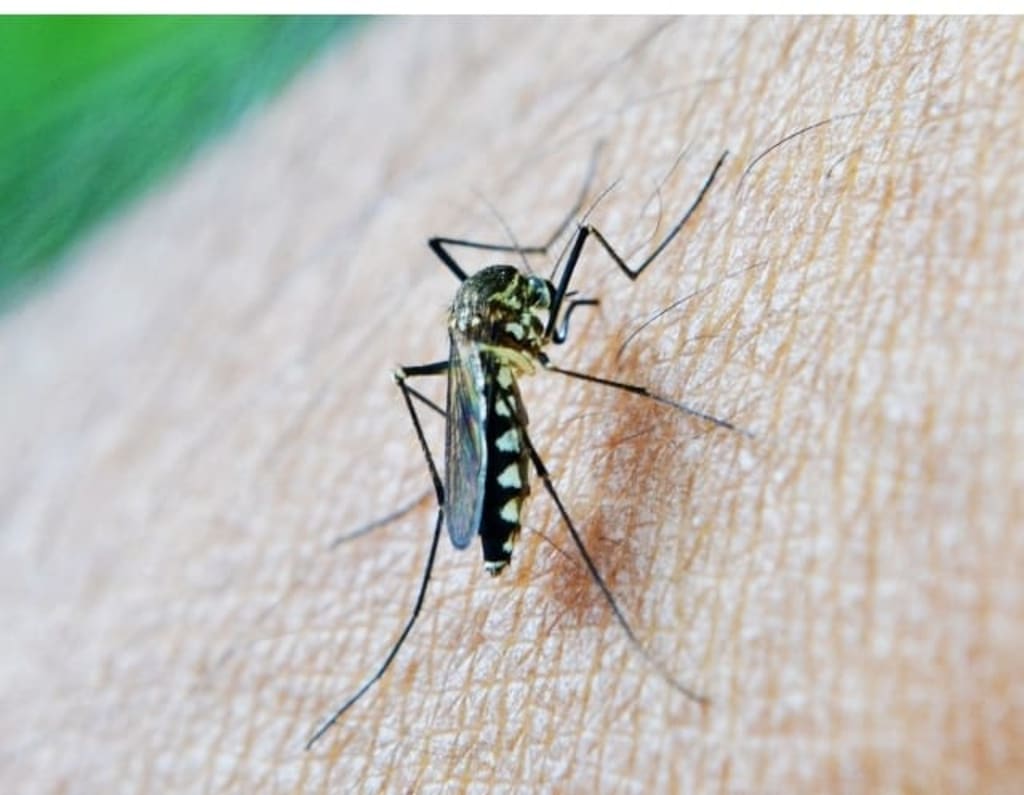
Malaria is a life-threatening disease that continues to pose a significant global health challenge. It is caused by the Plasmodium parasite, which is transmitted through the bite of infected female Anopheles mosquitoes. Malaria affects millions of people worldwide, particularly in tropical and subtropical regions, and it claims the lives of hundreds of thousands each year. This article will provide an overview of malaria, its symptoms, diagnosis, treatment, prevention, and the ongoing efforts to combat this deadly disease.
Symptoms and Diagnosis:
Malaria symptoms typically appear 10-15 days after the mosquito bite and may include fever, headache, chills, muscle aches, fatigue, nausea, and vomiting. If left untreated or improperly managed, malaria can progress to severe complications such as anemia, organ failure, and even death. Prompt and accurate diagnosis is crucial for effective treatment.
Diagnosing malaria often involves microscopic examination of blood samples to detect the presence of Plasmodium parasites. Rapid diagnostic tests (RDTs) have also been developed to provide quick and reliable results, especially in remote areas lacking laboratory facilities. These tests detect specific parasite antigens in the blood and enable early detection and appropriate treatment.
Treatment:
Effective treatment of malaria depends on several factors, including the species of the infecting parasite, the severity of the disease, and the individual's age and overall health. Artemisinin-based combination therapies (ACTs) are the primary treatment for uncomplicated malaria caused by Plasmodium falciparum, the most deadly malaria parasite. However, the emergence of drug-resistant strains poses a significant challenge to malaria control efforts.
In addition to drug treatment, supportive care, such as fluid replacement, treatment of anemia, and management of other complications, may be necessary for severe malaria cases. Early and accurate diagnosis followed by appropriate treatment can significantly reduce the mortality rate associated with malaria.
Prevention:
Prevention plays a vital role in reducing the burden of malaria. Various strategies are employed to prevent the transmission of the disease and protect individuals at risk. These include:
Vector control: The use of insecticide-treated bed nets (ITNs) and indoor residual spraying (IRS) helps reduce mosquito bites and minimize transmission.
Antimalarial medication: Prophylactic treatment with antimalarial drugs can be prescribed to individuals traveling to malaria-endemic regions.
Environmental management: Eliminating mosquito breeding sites, such as stagnant water sources, reduces mosquito populations and decreases transmission risk.
Community education: Raising awareness about malaria symptoms, prevention methods, and the importance of seeking early diagnosis and treatment can empower communities to take preventive measures.
Ongoing Efforts:
Global efforts to combat malaria have gained momentum over the years. The World Health Organization (WHO) has set ambitious goals to reduce malaria cases and deaths by at least 90% by 2030. These efforts involve strengthening health systems, expanding access to malaria prevention and treatment interventions, and promoting research and innovation.
Insecticide resistance and drug resistance remain major challenges in malaria control. Developing new antimalarial drugs, vaccines, and innovative vector control methods are ongoing priorities for researchers and organizations dedicated to malaria eradication.
Furthermore, international collaborations, financial investments, and political commitment are crucial for the success of malaria elimination programs. Funding initiatives such as the Global Fund to Fight AIDS, Tuberculosis, and Malaria, along with support from governments, non-governmental organizations, and the private sector, are instrumental in driving progress against this deadly disease.
In conclusion, malaria remains a deadly disease that affects millions of people worldwide. Prompt diagnosis, effective treatment, and preventive measures are vital to reduce malaria-related morbidity and mortality. Ongoing efforts to develop new tools, strengthen health systems, and mobilize resources are essential for
the successful eradication of malaria. Continued research and innovation in the field of malaria control are necessary to address challenges such as drug resistance, insecticide resistance, and the development of an effective malaria vaccine.
In recent years, significant progress has been made in malaria control efforts. Increased access to insecticide-treated bed nets and improved diagnostic tools has contributed to a decline in malaria cases in some regions. Several countries have successfully eliminated malaria by implementing comprehensive strategies that combine vector control, early diagnosis, and effective treatment.
However, many challenges remain. Malaria disproportionately affects the most vulnerable populations, including young children and pregnant women. Limited access to healthcare facilities, poverty, and weak health systems in malaria-endemic regions hinder effective prevention and treatment efforts.
Climate change also plays a role in the spread of malaria. Rising temperatures and changing rainfall patterns can expand the geographical range of mosquitoes, potentially exposing new populations to the disease. It highlights the need for adaptive strategies that consider the impact of climate change on malaria transmission.
International collaboration and coordinated efforts are critical for achieving global malaria eradication goals. The Roll Back Malaria partnership, consisting of governments, non-governmental organizations, and private sector partners, works towards the common goal of reducing the global malaria burden. Collaboration between countries in sharing best practices, resources, and expertise can accelerate progress in malaria control.
In conclusion, malaria remains a deadly disease that poses a significant public health challenge worldwide. While progress has been made, sustained efforts are necessary to combat malaria effectively. Continued investment in research, development of new tools and interventions, strengthening of health systems, and addressing social and environmental determinants are essential for achieving the goal of a malaria-free world. By prioritizing malaria control and eradication, we can save countless lives and alleviate the suffering caused by this devastating disease.
Malaria is a disease that has plagued humanity for centuries, and its impact is far-reaching. Here are a few additional points about malaria:
1. Global Impact: Malaria is endemic in over 90 countries, primarily in sub-Saharan Africa, South Asia, and Latin America. It disproportionately affects low-income countries with limited healthcare infrastructure, contributing to a cycle of poverty and underdevelopment.
2. High Burden: According to the World Health Organization (WHO), there were an estimated 229 million cases of malaria worldwide in 2019, resulting in approximately 409,000 deaths. Most deaths occur among children under the age of five..
3. Socioeconomic Consequences: Malaria places a heavy economic burden on individuals, families, and countries. The costs of treating malaria, lost productivity, and decreased economic growth due to the disease have a significant impact on affected communities.
4. Impact on Pregnancy: Pregnant women are particularly vulnerable to malaria. The disease can lead to severe anemia, maternal illness, premature delivery, low birth weight, and increased infant mortality. Malaria prevention and control efforts often include interventions targeted at pregnant women, such as intermittent preventive treatment.
5. Malaria and Children: Malaria is a leading cause of illness and death among children in endemic regions. The disease hampers children's growth, impairs cognitive development, and contributes to school absenteeism and poor educational outcomes.
6. Drug Resistance: The emergence and spread of drug-resistant malaria parasites, particularly Plasmodium falciparum, pose a significant threat to malaria control and elimination efforts. Resistance to artemisinin, the core component of ACTs, has been reported in some regions, necessitating the development of alternative treatment strategies.
7. Vaccine Development: The development of an effective malaria vaccine has been a long-standing goal. The RTS,S vaccine, also known as Mosquirix, has shown partial efficacy in clinical trials and has been piloted in selected areas of Africa. Ongoing research continues to explore new vaccine candidates and approaches.
8. Impact of COVID-19: The COVID-19 pandemic has had indirect effects on malaria control efforts. Disruptions in healthcare systems, limited access to services, and diversion of resources to COVID-19 response have impacted malaria prevention, diagnosis, and treatment. It highlights the need for integrated approaches to address multiple health challenges simultaneously.
9. Innovative Approaches: Various innovative approaches are being explored to combat malaria. These include the use of genetically modified mosquitoes to reduce vector populations, novel vector control methods such as the sterile insect technique, and the development of new antimalarial drugs with different modes of action.
10. Importance of Research: Research is crucial for advancing our understanding of malaria, improving diagnostics, developing new treatments and interventions, and finding effective ways to control and eliminate the disease. Collaboration between researchers, public health organizations, and communities is essential for driving progress.
In conclusion, malaria remains a deadly disease with a significant global impact. While progress has been made in reducing malaria cases and deaths, continued efforts are needed to overcome challenges such as drug resistance, limited access to healthcare, and the socioeconomic impact of the disease. With sustained commitment and innovative approaches, malaria can be defeated, saving countless lives and contributing to a healthier and more prosperous world.
About the Creator
Keep reading
More stories from Shambhu Sardar and writers in Humans and other communities.
The Another Love
I was very surprised at my friend Mamun and his wife Faria's first anievers. Wearing ordinary Punjabi in the crowd of so many illumination and expensive suit coats seemed very dishonest. So I was sitting a little farther away from everyone. Suddenly Mamun came and said,
By Shambhu Sardar3 years ago in Families
The CEO of Everything
They say "jack of all trades, master of none," but they forgot to mention the part where the jack of all trades is also the camera woman, the makeup artist, and the person currently yelling at a tangled Wii microphone cable in a her own bathroom while recording herself singing and trying to make it look realistic and professional. (As professional as you can make it with nothing but a cell phone camera and a mic that doesn't work)
By Sara Wilson7 days ago in Humans
The Hidden Valentine part 4
The Warning The next day, Maya didn’t sleep. She tried, but her mind kept returning to the warmth she had felt—an impossible warmth that seemed to have come from the machine. She kept thinking about the way the AI had said “we will do it together.”
By Ahmed aldeabella3 days ago in Humans



Comments
There are no comments for this story
Be the first to respond and start the conversation.