
Lung Diseases: Causes, Symptoms, and Treatments
"Understanding Lung Problems: Their Causes, Warning Signs, and Effective Solutions"
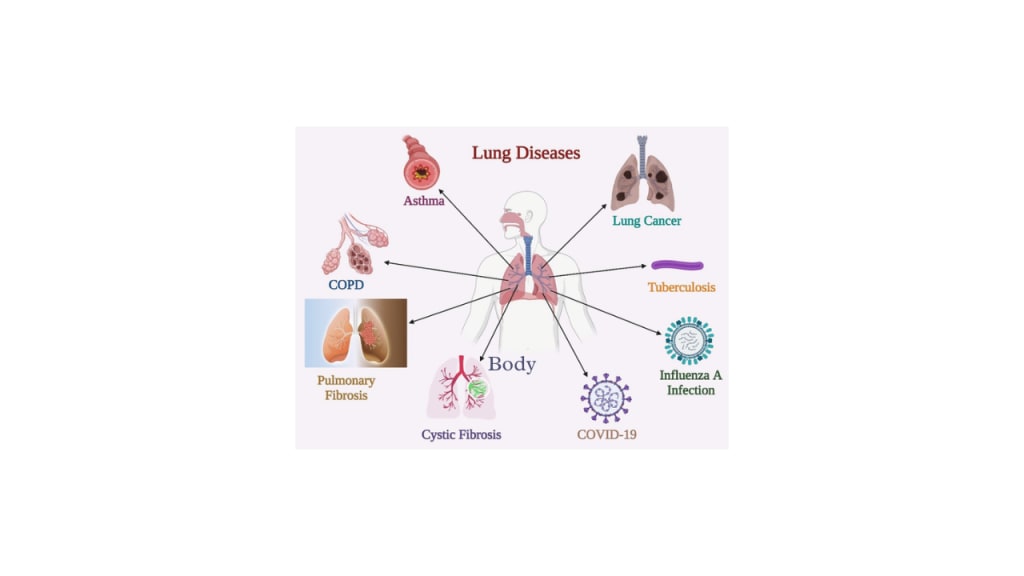
Lung diseases are a significant health concern affecting millions of people worldwide. These diseases can range from mild conditions to severe, life-threatening illnesses. Understanding the causes, recognizing the symptoms, and seeking appropriate treatments are crucial for managing lung problems effectively. This blog explores the various aspects of lung diseases, helping you stay informed and proactive about your lung health.
Introduction
The lungs play a vital role in our respiratory system, ensuring oxygen enters our bloodstream and carbon dioxide is expelled. When lung problems arise, they can disrupt this process and lead to serious health complications. By identifying the root causes, early symptoms, and available treatments, you can take control of your lung health.
What Are Lung Diseases?
Lung diseases refer to a group of conditions that affect the lungs' structure and function. These diseases can impair breathing, reduce oxygen intake, and significantly impact overall health.
Types of Lung Problems
1. Chronic Obstructive Pulmonary Disease (COPD)
o Includes emphysema and chronic bronchitis.
o Often caused by smoking and long-term exposure to pollutants.
2. Asthma
o A chronic condition causing airway inflammation and difficulty breathing.
o Triggered by allergens, pollution, or physical activity.
3. Pneumonia
o A lung infection caused by bacteria, viruses, or fungi.
o Symptoms include fever, cough, and chest pain.
4. Lung Cancer
o Often linked to smoking, but other risk factors include pollution and genetic predisposition.
o Symptoms include persistent cough, weight loss, and fatigue.
5. Pulmonary Fibrosis
o Scarring of lung tissue, leading to difficulty in breathing.
o Causes include environmental exposure, infections, and autoimmune diseases.
Causes of Lung Diseases
1. Smoking
Smoking is a leading cause of lung diseases such as COPD and lung cancer. Tobacco smoke contains harmful chemicals that damage lung tissues and narrow airways.
2. Pollution
Long-term exposure to air pollution, including dust, chemicals, and industrial fumes, can cause or exacerbate lung problems.
3. Infections
Bacterial, viral, and fungal infections can lead to diseases like pneumonia and tuberculosis, directly impacting lung health.
4. Genetics
Certain lung problems, such as cystic fibrosis, have a genetic basis, making individuals more susceptible to these conditions.
5. Lifestyle Choices
Sedentary lifestyles, poor nutrition, and exposure to allergens can weaken lung function over time.
Symptoms of Lung Problems
Recognizing symptoms early can help in seeking timely treatment. Common symptoms include:
• Persistent cough that lasts more than three weeks.
• Shortness of breath during routine activities.
• Chest pain or tightness.
• Wheezing or whistling sound while breathing.
• Fatigue or loss of stamina.
• Frequent respiratory infections.
• Unexplained weight loss (common in severe conditions like lung cancer).
Diagnosis of Lung Diseases
To diagnose lung problems accurately, doctors may use:
1. Imaging Tests: Chest X-rays, CT scans, and MRIs to detect structural abnormalities.
2. Pulmonary Function Tests (PFTs): Assess lung capacity and airflow.
3. Blood Tests: Check oxygen levels and identify infections.
4. Bronchoscopy: A camera-assisted procedure to view airways and collect samples.
Treatments for Lung Diseases
1. Lifestyle Changes
• Quit Smoking: This is the most effective step to improve lung health.
• Healthy Diet: Include foods rich in antioxidants to support lung function.
• Exercise Regularly: Helps improve lung capacity and oxygen efficiency.
2. Medications
• Bronchodilators: Relieve airway obstruction and improve airflow.
• Steroids: Reduce inflammation in conditions like asthma and COPD.
• Antibiotics: Treat bacterial infections such as pneumonia.
3. Pulmonary Rehabilitation
A structured program combining physical therapy, breathing exercises, and counseling to enhance lung function.
4. Surgical Interventions
• Lung Transplant: For end-stage lung diseases.
• Tumor Removal: For lung cancer patients.
5. Oxygen Therapy
For individuals with low blood oxygen levels, oxygen therapy helps improve quality of life.
Preventing Lung Problems
Prevention is better than cure. Follow these tips to maintain healthy lungs:
• Avoid smoking and exposure to secondhand smoke.
• Wear protective masks in polluted or hazardous environments.
• Get vaccinated against flu and pneumonia.
• Practice good hygiene to prevent respiratory infections.
• Stay active and practice deep-breathing exercises regularly.
FAQs About Lung Diseases
Q1: What is the most common cause of lung problems?
The most common cause is smoking, which damages lung tissues and increases the risk of diseases like COPD and lung cancer.
Q2: Can lung diseases be reversed?
Some conditions, like infections, can be treated, but chronic conditions such as COPD require long-term management to slow progression.
Q3: Are lung problems always related to smoking?
No, lung problems can also result from pollution, genetics, infections, or other environmental factors.
Q4: How can I improve my lung health naturally?
Quit smoking, eat a balanced diet rich in antioxidants, exercise regularly, and practice deep-breathing exercises.
Q5: When should I see a doctor for lung problems?
Seek medical attention if you experience persistent cough, shortness of breath, or chest pain lasting more than two weeks.
Summary
Lung diseases encompass a wide range of conditions that can significantly impact your life. Early recognition of symptoms, understanding the causes, and seeking timely treatment are essential for managing these issues effectively. Lifestyle changes, medications, and advanced medical interventions can help improve outcomes.
Conclusion
Lung health is crucial for overall well-being, and neglecting lung problems can lead to serious complications. Whether it's quitting smoking, avoiding pollutants, or seeking medical care for persistent symptoms, every step matters. By staying informed and proactive, you can protect your lungs and lead a healthier, more active life.
If you or someone you know is experiencing symptoms of lung problems, consult a healthcare provider immediately. Remember, early detection and timely treatment are the keys to a better quality of life.
About the Creator
Keep reading
More stories from writers in Humans and other communities.
Cabin Fever Because of Snow, Sleet, and Freezing Rain That Turned to Icy Roads
What Is Cabin Fever? The short answer is that cabin fever is restlessness from being in a confined area. Cabin fever is the distressing irritability or restlessness experienced when a person or group is stuck at an isolated location or in confined quarters for an extended time. Research shows that prolonged cold, gray skies, and being stuck indoors can trigger mood shifts similar to “winter blues.”
By Margaret Minnicks5 days ago in Humans
Self Help: Grifters' Gospel
On Self-Help, Snake Oil, and the Illusion of Change Psychology professionals and students can be imagined on two opposite sides of a line called self-help books: likely a larger group opposes pop-science and step-by-step manuals filled with talk of success, journaling, and not giving a f**k; others love them, but they aren’t many.
By Avocado Nunzella BSc (Psych) -- M.A.P 4 days ago in BookClub


Comments
There are no comments for this story
Be the first to respond and start the conversation.