
Love and Understanding: How Mental Health Impacts Communication
Discover the Deep Connection Between Mental Health Challenges and Relationship Communication

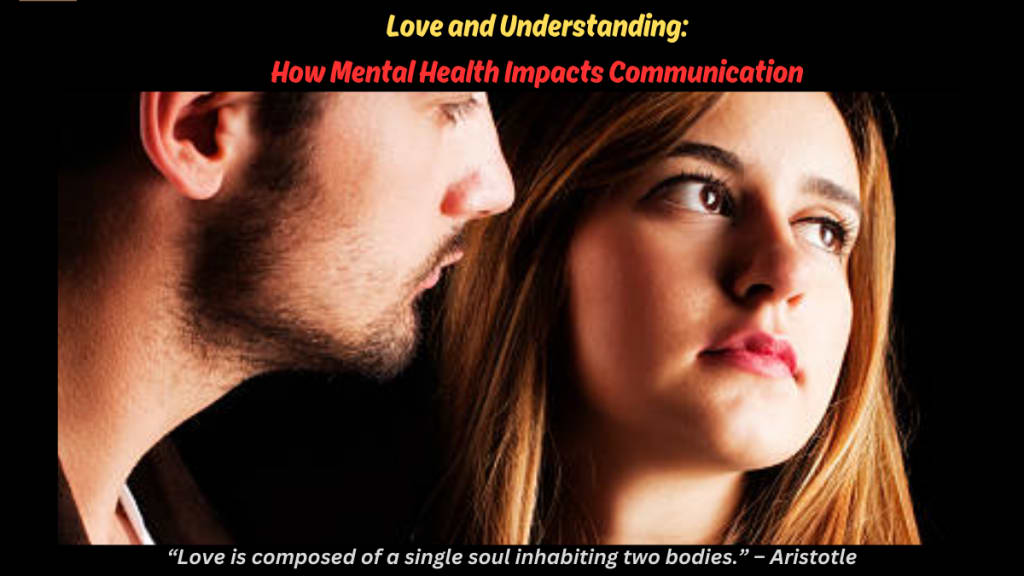
Mental health challenges are increasingly recognized as critical factors influencing our lives and relationships. They affect how we think, feel, and communicate, often creating barriers that can be difficult to navigate. In romantic relationships, effective communication is essential for building trust and intimacy. However, when mental health issues arise, communication can suffer, leading to misunderstandings and emotional distance. This article explores how mental health challenges affect communication in relationships and offers insights into fostering healthier connections.

Understanding Mental Health Challenges
What Are Mental Health Challenges?
Mental health challenges encompass a wide range of conditions, including anxiety disorders, depression, bipolar disorder, and PTSD. These conditions can impact an individual's thoughts, emotions, and behaviors, influencing how they interact with others.
Common Mental Health Challenges
- Anxiety Disorders: Individuals may experience excessive worry, fear, or panic, making it difficult to communicate openly.
- Depression: Feelings of sadness and hopelessness can lead to withdrawal and a lack of interest in communicating with partners.
- Bipolar Disorder: Mood swings can create unpredictability in communication, leading to confusion and frustration in relationships.
- PTSD: Trauma can cause individuals to avoid certain topics or situations, hindering open dialogue.
- Obsessive-Compulsive Disorder (OCD): Intrusive thoughts and compulsions can distract from meaningful conversations, affecting relational dynamics.
Recognizing these challenges is crucial for understanding how they can impact communication in relationships.

The Impact of Mental Health on Communication
1. Emotional Withdrawal
One of the most significant ways mental health challenges affect communication is through emotional withdrawal. Individuals facing mental health issues may find it hard to express their feelings or engage in conversations.
Reasons for Emotional Withdrawal
- Fear of Judgment: Individuals may fear that their feelings will be misunderstood or judged by their partners.
- Overwhelm: Mental health challenges can create feelings of overwhelm, making it difficult to articulate thoughts and emotions.
- Low Energy: Conditions like depression can lead to fatigue and low motivation, reducing the desire to engage in conversations.
- Self-Isolation: Some people may withdraw socially as a coping mechanism, which can strain relationships.
- Difficulty in Trusting: Emotional struggles can lead to difficulties in trusting others, making open communication feel unsafe.
Emotional withdrawal can create a cycle of misunderstanding and frustration in relationships, highlighting the need for compassion and patience.
2. Communication Style Changes
Mental health challenges can alter an individual’s communication style, affecting how they express themselves and interpret their partner's words.
Changes in Communication Style
- Increased Irritability: Individuals may become more irritable or defensive, leading to conflicts over minor issues.
- Avoidance of Topics: Those with anxiety or PTSD may avoid discussing certain topics, leading to unresolved issues and frustration.
- Difficulty in Expressing Needs: Individuals may struggle to articulate their needs or desires, making it difficult for partners to understand them.
- Misinterpretation of Messages: Mental health challenges can lead to misinterpretations of tone or intent, causing unnecessary conflicts.
- Inconsistent Communication: Mood swings or emotional fluctuations can result in inconsistent communication, leaving partners confused about where they stand.
These changes can create barriers to effective communication, making it essential for partners to develop an understanding and supportive environment.

3. The Role of Stigma
The stigma surrounding mental health can further complicate communication in relationships. Many individuals may feel ashamed or embarrassed about their mental health challenges, leading them to hide their struggles.
Effects of Stigma on Communication
- Fear of Disclosure: Individuals may avoid discussing their mental health due to fear of being stigmatized or misunderstood.
- Isolation: Stigma can lead to social isolation, making it harder for individuals to seek support from partners or friends.
- Reduced Willingness to Engage: The fear of judgment may reduce a person's willingness to engage in discussions about their mental health.
- Difficulty in Seeking Help: Stigma can prevent individuals from seeking professional help, which can further complicate relationship dynamics.
- Miscommunication: Partners may misinterpret the silence or withdrawal as a lack of interest in the relationship, leading to misunderstandings.
Breaking down stigma through open conversations can create a safer space for discussing mental health challenges and improve communication.
Strategies for Improving Communication
1. Cultivating Empathy and Understanding
Empathy is crucial in navigating the complexities of mental health challenges in relationships. When partners approach each other with understanding, it fosters a supportive environment.
How to Cultivate Empathy
- Active Listening: Practice active listening by giving your full attention to your partner when they express their feelings or concerns.
- Validate Feelings: Acknowledge your partner's feelings without judgment, showing that you understand their struggles.
- Ask Open-Ended Questions: Encourage open dialogue by asking questions that invite deeper exploration of thoughts and emotions.
- Share Experiences: Sharing your own experiences can help normalize discussions around mental health, fostering connection.
- Be Patient: Understand that communication may take time, and be patient as your partner navigates their feelings.
By cultivating empathy, couples can create a safe space for open communication, allowing for deeper connections.
2. Establishing Open Communication Channels
Creating open lines of communication is essential for addressing mental health challenges in relationships.
Tips for Open Communication
- Set Aside Time: Designate specific times to talk about feelings or concerns, ensuring both partners are present and focused.
- Use “I” Statements: Encourage the use of “I” statements to express feelings without placing blame, such as, “I feel overwhelmed when…”
- Practice Honesty: Encourage honesty about feelings, even when it’s uncomfortable, to foster a deeper understanding.
- Avoid Assumptions: Refrain from making assumptions about your partner's feelings or experiences; instead, ask for clarification.
- Seek Professional Help: Consider couples therapy as a safe space to discuss mental health challenges and improve communication.
Establishing open communication channels allows couples to address challenges collaboratively, strengthening their bond.

3. Educating Yourself and Each Other
Understanding mental health challenges is vital for improving communication in relationships. Both partners should educate themselves about each other's struggles.
Ways to Educate Each Other
- Read Together: Explore books or articles about mental health as a couple to foster understanding.
- Attend Workshops: Participate in mental health workshops or seminars to learn effective communication strategies.
- Share Resources: Exchange helpful resources, such as podcasts or support groups, that provide insights into mental health.
- Encourage Professional Help: Support each other in seeking therapy or counseling, recognizing that professional guidance can enhance communication.
- Discuss Learnings: Regularly discuss what you’ve learned about mental health to ensure ongoing understanding and support.
By educating themselves, couples can navigate the complexities of mental health challenges while enhancing their communication skills.

Conclusion
Mental health challenges significantly affect communication in relationships, creating barriers that can lead to misunderstandings and emotional distance. However, with empathy, patience, and understanding, couples can navigate these challenges together. By fostering open communication, educating themselves about mental health, and supporting each other, partners can strengthen their bond and create a healthier relationship.
Ultimately, addressing mental health challenges requires a commitment to understanding and compassion. By openly discussing these issues, couples can break down barriers and foster deeper connections. Love is a journey, and navigating the complexities of mental health can lead to a more profound appreciation for each other and the relationship as a whole.
Famous Quotes About Love and Mental Health
- “Love is not just about being together; it’s about understanding each other’s struggles.” – Unknown
- “Mental health is not a destination, but a process. It’s about how you drive, not where you’re going.” – Noam Shpancer
- “In the middle of difficulty lies opportunity.” – Albert Einstein
- “You don’t have to struggle in silence. Some people care.” – Unknown
- “The greatest healing therapy is friendship and love.” – Hubert H. Humphrey
FAQs
1- How do mental health challenges affect communication in relationships?
Mental health challenges can lead to emotional withdrawal, changes in communication style, and increased stigma, which may hinder open dialogue and create misunderstandings between partners.
2- What are some common mental health challenges?
Common mental health challenges include anxiety disorders, depression, bipolar disorder, PTSD, and OCD. Each condition can impact an individual’s thoughts, emotions, and behaviors in relationships.
3- How can couples improve communication when facing mental health challenges?
Couples can improve communication by cultivating empathy, establishing open communication channels, and educating themselves about each other’s mental health struggles to foster understanding.
4- Why is empathy important in relationships?
Empathy allows partners to understand each other’s feelings and experiences, creating a supportive environment where open communication can flourish, especially during challenging times.
5- What role does stigma play in communication about mental health?
Stigma can prevent individuals from discussing their mental health issues openly, leading to isolation and misunderstandings in relationships. Breaking down stigma encourages healthier communication.
Special Note on Image Resources
For high-quality images to enhance your article, visit Google, Unsplash, and Pexels. These platforms offer a variety of free stock photos that can visually complement your content and engage your readers.
Thank you for taking the time to read this! If you enjoyed my writing, I would greatly appreciate it if you could leave a comment, click the like button, and subscribe for free to stay updated on future posts. Your support means a lot!
You may also find my other content interesting—feel free to explore! Click Here
The End.
About the Creator
Abdul Jamil Nasir
Hello! I’m Abdul Jamil Nasir, a passionate writer exploring life, love, and culture. I focus on relationships, personal growth, and human emotions, believing in the power of words to inspire and connect with readers.
Keep reading
More stories from Abdul Jamil Nasir and writers in Humans and other communities.
The Future of Love: Where Technology Meets Tradition
In the ever-evolving landscape of relationships, technology, and tradition play pivotal roles in shaping how we experience love. As we navigate through the complexities of modern life, the interplay between technological advancements and age-old customs influences our romantic connections. This article delves into how technology and tradition are transforming the future of love, revealing the unique ways in which they coexist and enhance our relationships.
By Abdul Jamil Nasirabout a year ago in Humans
Instant Soul Recognition: The Subtle Cues That Signal a Lifelong Connection.
In a world filled with fleeting encounters and surface-level interactions, meeting someone who feels instantly familiar can be a rare and profound experience. This phenomenon—often called recognizing a kindred spirit—goes beyond mere chemistry or shared interests. A kindred spirit is someone whose energy, values, outlook, and inner rhythm align so seamlessly with yours that it feels like your soul has encountered an old friend, even if you've just exchanged names.
By Wilson Igbasi5 days ago in Humans
TUS NUA - ch 53
TUS NUA – ch 53 New Beginnings – Mia and Midnight (*)(*)(*) Finola knew Ali’s brother-in-law needed to put his mind at rest. She fed her arm through his and led him outside. “We’ll sit here. If you like, I can put a block around us so our conversation will be private.”
By Margaret Brennan5 days ago in Fiction


Comments
There are no comments for this story
Be the first to respond and start the conversation.