
Lonely Minds, Restless Nights: How Isolation Breeds Nightmares
New research suggests that loneliness may be silently rewriting your dreams—and not for the better.

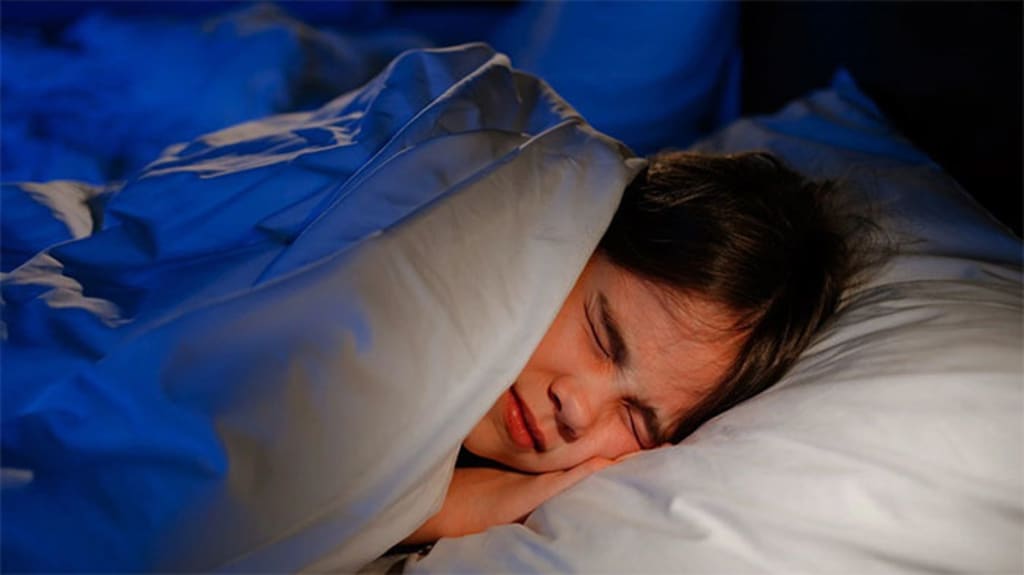
We often think of loneliness as an emotional ache, something quietly tucked away in the corners of our daily lives. But what if that feeling is reaching into the deepest parts of our minds—into our sleep—and haunting us while we rest?
That’s the unsettling finding from a new study conducted by American researchers, revealing a powerful connection between loneliness and the intensity and frequency of nightmares. The research, which involved data from more than 1,600 adults across two separate surveys, suggests that the feeling of isolation doesn’t just weigh on the heart—it may also intrude upon the very realm we consider sacred and safe: our dreams.
The Study Behind the Shadows
The study, published in the Journal of Psychology, began by revisiting data from an earlier research project focused on emotional deprivation. The initial dataset included 827 adults, each of whom answered questions about their emotional state, stress levels, and sleep patterns. A startling pattern emerged: individuals who reported feeling lonelier also experienced more nightmares. But this was just the beginning.
To validate the trend, the researchers expanded their scope, conducting a fresh survey with 782 new participants. This time, they focused more sharply on three key components: the intensity of loneliness, the degree of emotional stress, and the prevalence of nightmares.
The results confirmed what many may feel but few have understood scientifically—loneliness doesn’t just haunt us by day; it haunts us at night too.
When Dreams Become Distress Signals
While the data stops short of proving that loneliness causes nightmares, researchers believe the relationship is biologically and psychologically meaningful. According to Colin Hessem, a communication scientist at the University of Oregon and one of the study’s lead authors, the findings reflect what he calls the “evolutionary alarm system” of loneliness.
"Human beings evolved to rely on social groups for survival," Hessem explains. “When those connections are missing, the mind interprets it as danger, like hunger or thirst. Nightmares may be our brain’s way of sounding the alarm.”
In other words, just as we might dream of drowning if we’re short of breath, we might dream of being chased, abandoned, or helpless if we’re emotionally adrift. Loneliness becomes the psychological equivalent of a predator—one that follows us into sleep.
Why Nightmares?
Nightmares have long been a mystery to scientists and dreamers alike. But most agree that they often reflect unresolved emotional tension or psychological distress. Stress, anxiety, and trauma are common ingredients.
Loneliness, it turns out, is a potent mix of all three.
When people feel disconnected, their minds tend to spin more. They become hyper-alert, overthink situations, and replay painful memories more often. This mental overstimulation doesn’t just vanish at bedtime—instead, it spills over into dreams, warping them into unsettling, sometimes terrifying experiences.
One of the researchers noted, “Being lonely increases stress, and stress disturbs sleep. It’s a perfect storm for nightmares.”
The Vicious Cycle
And the worst part? It’s a loop.
Poor sleep quality can worsen mental health, making people feel more irritable, more anxious, and yes—more isolated. This, in turn, can lead to deeper feelings of loneliness and further disruption to sleep.
For some, this spiral can become chronic, affecting daily functioning, productivity, and even physical health. Lack of restorative sleep weakens immune response, impacts decision-making, and can even accelerate aging. In the long run, chronic loneliness combined with poor sleep has been linked to heart disease, depression, and cognitive decline.
So it’s not just about the bad dreams—it’s about the toll they take long after the dream ends.
Loneliness Is More Than Just a Feeling
This study also sheds light on how modern society often overlooks loneliness as a serious health concern. With rising rates of solo living, digital communication replacing in-person interaction, and the lingering effects of social isolation from the pandemic, loneliness has become a quiet epidemic.
And unlike hunger or exhaustion, it’s easy to ignore. There’s no physical pain, no visible symptom. But inside, the mind may be fraying.
According to Hessem, the body sees loneliness as a threat. “It’s a signal that we’re lacking something essential—social connection. Just like dehydration triggers thirst, loneliness triggers emotional distress. And if ignored, it festers into something that even sleep can’t protect us from.”
The Road to Healing
Fortunately, there’s hope. The same science that reveals this disturbing link between loneliness and nightmares also offers insight into how to break the cycle.
Social connection is the antidote.
Building meaningful relationships—even just a few—can dramatically improve sleep quality. Engaging in community, seeking out support groups, and maintaining regular contact with friends or family can help buffer the effects of loneliness. In some cases, therapy can help rewire the mind’s response to isolation, reducing stress and improving emotional regulation.
Even small changes, like volunteering, joining a club, or simply initiating more conversations, can create ripples of improvement—both during the day and in the depths of sleep.
Final Thoughts
We often treat dreams as fiction—random flashes of memory and imagination. But this study reminds us that our dreams are deeply tied to our reality. When our waking life is steeped in isolation, our sleeping mind takes notice. It whispers to us through nightmares, begging for change.
Loneliness isn’t just something we carry silently—it echoes, trembles, and eventually screams when we lie down to rest. Understanding that can be the first step to healing not just our sleep, but our souls.
So the next time your dreams turn dark, ask yourself a simple question:
Am I truly alone?
About the Creator
Eleanor Grace
"Dream big.Start small.Act now."
Keep reading
More stories from Eleanor Grace and writers in Humans and other communities.
The Man Who Lived the Longest in Space
On September 12, 2015, as the early morning light brushed the vast steppes of Kazakhstan, a Soyuz spacecraft touched down gently on Earth’s surface. Emerging from it was a man who had just broken one of humanity’s most awe-inspiring records: Gennady Padalka, the Russian cosmonaut who had spent a total of 879 days in space—more than any other human in history.
By Eleanor Grace10 months ago in Humans
Autonomy Is The Real Privilege
Good morning, freedom-seekers! Today we’re gonna be looking at autonomy. A strange word, I know; one many would probably look at blankly and run away from on sight. We’re gonna figure out what it actually means, consider how it’s achieved, and decipher just how deeply most of us are tangled up in dependence without realising it.
By That ‘Freedom’ Guyabout 6 hours ago in Humans
How Your Personality Shapes Your Communication Talent
Personal development often feels like cooking with just the main ingredients — you have the base, but something's missing. You've taken the CliftonStrengths® assessment. You know your top talents — what you're naturally good at. But do you know WHY you use them the way you do?
By Dariusz Kowalski24 minutes ago in Humans
Miss Persephone's Manual to a Seemingly Ordinary Life
Miss Persephone was found at the dining table, her blue eyes swollen, her tears arriving and retreating like the tides of the ocean. Earlier that day, her family had visited her in the retirement home where she had lived for eight years. It was her eightieth birthday.
By Imola Tóth5 days ago in Fiction




Comments
There are no comments for this story
Be the first to respond and start the conversation.