
Lifestyle Changes to Prevent Heart Disease: Simple Steps for a Healthy Heart
Practical Tips for a Longer, Healthier Heart Life
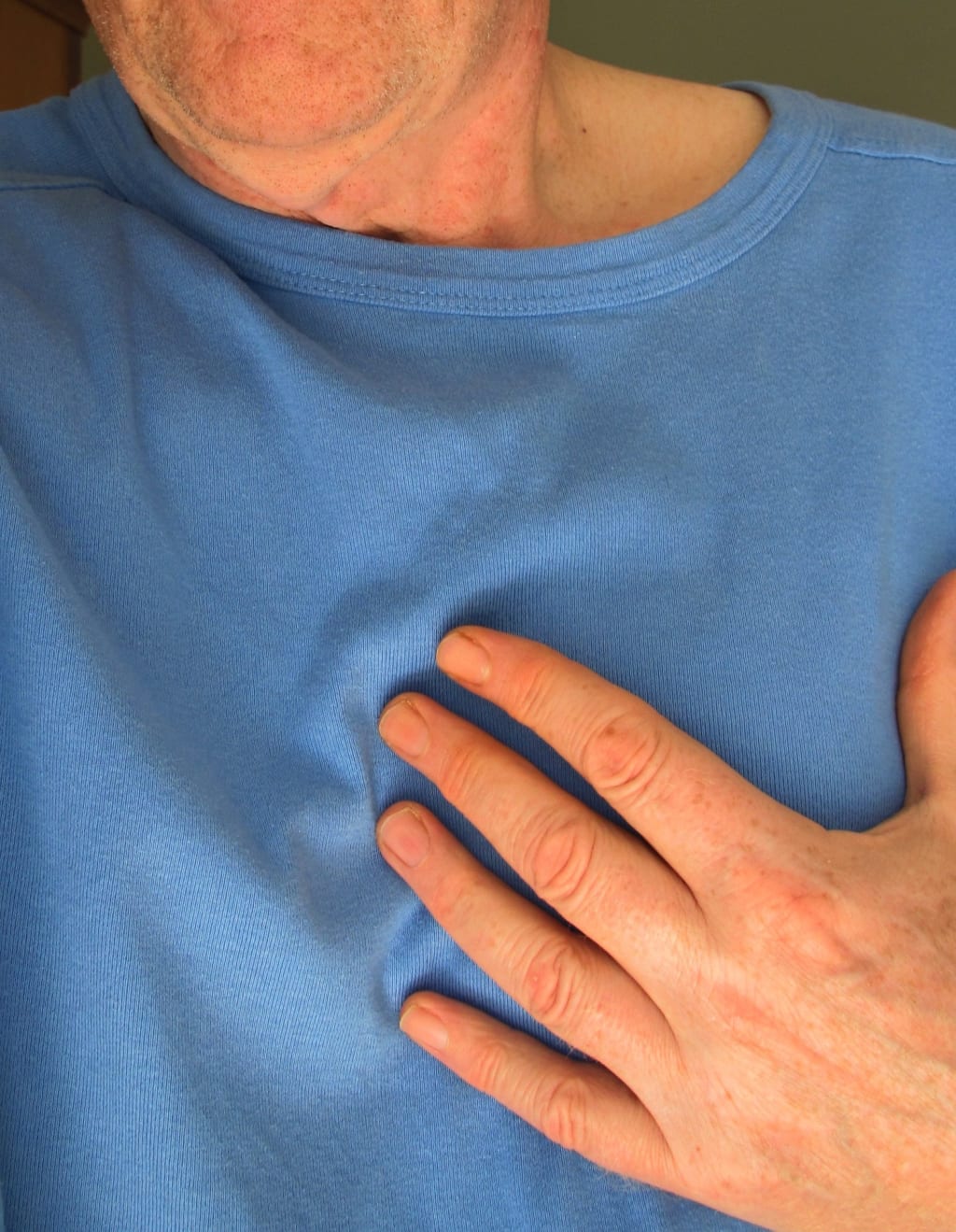
Heart disease is a leading cause of death worldwide, with nearly 17.9 million deaths annually, according to the World Health Organization (WHO). However, many cases are preventable through lifestyle changes. This article highlights actionable steps you can take to prevent heart disease and maintain a healthy heart.
Understanding Heart Disease
Heart disease, or cardiovascular disease, includes conditions that affect the heart and blood vessels. Coronary artery disease (CAD) occurs when arteries narrow or block due to plaque buildup. Heart failure results from the heart's inability to pump blood effectively, while arrhythmias are irregular heartbeats, and valvular heart disease involves damage to the heart valves. These conditions impair heart function and overall health.
Common Causes and Risk Factors
Heart disease arises from genetic, lifestyle, and environmental factors. High blood pressure strains the heart and blood vessels, while high cholesterol accelerates plaque buildup. Smoking damages blood vessels, and diabetes harms the blood vessels and nerves that regulate heart function. A sedentary lifestyle contributes to obesity, and a poor diet high in sodium, trans fats, and sugar increases the risk. Chronic stress can elevate blood pressure and promote inflammation.
Preventive measures and healthy lifestyle choices are essential to managing these risk factors.
Why Lifestyle Matters in Prevention?
Prevention is key to heart health. Treating heart disease can be costly and invasive, but lifestyle changes offer simple, cost-effective solutions. Poor habits like inactivity, unhealthy eating, and stress contribute to cardiovascular risk, while healthy choices—regular exercise, a balanced diet, and stress management—can improve heart health and reduce the risk of heart disease. By adopting these habits, you ensure long-term heart health.
Essential Lifestyle Changes for a Healthy Heart
Adopting a Heart-Friendly Diet:
A nutritious diet is essential for preventing heart disease. Fill your meals with fruits, vegetables, whole grains, and lean proteins like fish, poultry, and legumes. Choose healthy fats from avocados, nuts, and olive oil, and opt for low-fat dairy. Avoid processed foods, sugary drinks, and fried foods to maintain healthy blood pressure and cholesterol levels.
Practical Tips:
- Plan meals to control ingredients and portions.
- Add superfoods like salmon and flaxseeds to your diet.
- Hydrate with water or herbal teas, replacing sugary drinks.
- Incorporating Regular Physical Activity.
Exercise strengthens the heart and improves circulation. Aim for at least 150 minutes of moderate aerobic activity or 75 minutes of vigorous activity weekly, along with strength training twice a week. Simple activities like taking stairs or walking after meals can also improve heart health.
Managing Stress Effectively:
Chronic stress negatively affects heart health. Engage in stress-reducing activities like forest bathing, breathing exercises, and spending time with loved ones. Maintaining hobbies and social connections can help lower stress levels and improve emotional well-being.
Avoiding Harmful Habits:
Smoking and excessive alcohol consumption harm heart health. Smoking accelerates plaque buildup and raises blood pressure, while alcohol can contribute to arrhythmias and high blood pressure. Limiting alcohol to one drink a day for women and two for men is crucial. Avoid binge drinking, and take regular breaks from screens to promote physical activity and relaxation.
Unique Strategies for Heart Health:
- Use a standing desk to reduce sedentary time.
- Practice gratitude journaling to lower stress.
- Cold exposure, like cold showers, may improve circulation.
Monitoring and Regular Health Checkups
Regular monitoring is critical for detecting heart disease early. Blood pressure should be checked regularly to detect hypertension, while cholesterol and blood glucose levels should be monitored to prevent complications. Routine checkups allow doctors to personalize prevention strategies.
For individuals under 40, checkups every 2-3 years are recommended, while those over 50 or at risk should have annual or more frequent checkups.
Dr. Pankaj Harkut emphasizes the importance of early intervention to reduce the risk of severe cardiovascular events.
Conclusion.
Preventing heart disease requires consistent effort and mindful lifestyle choices. A heart-healthy diet, regular physical activity, stress management, and avoiding harmful habits can significantly reduce the risk of heart disease.
The best cardiologist in Nagpur stresses the importance of prevention for a healthier future. Take proactive steps today to protect your heart, and it will support your overall well-being for years to come.
About the Creator
Keep reading
More stories from Dr Pankaj Harkut and writers in Humans and other communities.
Heart Disease Risk Factors: Are You at Risk?
Heart disease is one of the leading causes of death globally, with cardiovascular diseases accounting for nearly one in every four deaths in India. Despite its high prevalence, many people are unaware of the risk factors that contribute to heart disease. Understanding these factors is essential because early detection and lifestyle changes can significantly reduce the risk of severe cardiac conditions according to top cardiologist in Nagpur. While some factors, like age and family history, are beyond our control, others such as diet, exercise, and smoking habits can be managed to lower overall risk.
By Dr Pankaj Harkut12 months ago in Humans
Time to change your life.
Is it even possible for you to change your life? A lot of people, more than there should be, are unhappy with their lives. But what are they doing about it? Usually nothing. People talk about how shitty their lives are and want change, but are they not taking the actions to change?
By Jen Phillips5 days ago in Humans
How Relationship Satisfaction Impacts Mental Health And Life Fulfillment Levels
Relationship satisfaction is a concept that defines how well, supported and emotionally stable people are in their relationships. Satisfying relationships offer comfort, trust, and a sense of belonging which are directly helpful in mental health. Emotional attachment decreases loneliness and provides a stable emotional formation. This stability assists people to handle stress more efficiently and at least remain emotionally balanced, which is a positive factor in general wellbeing and life satisfaction.
By Robert Smith5 days ago in Humans


Comments
There are no comments for this story
Be the first to respond and start the conversation.