
Heart Disease Risk Factors: Are You at Risk?
Understanding the Key Contributors to Heart Disease and How to Protect Your Health
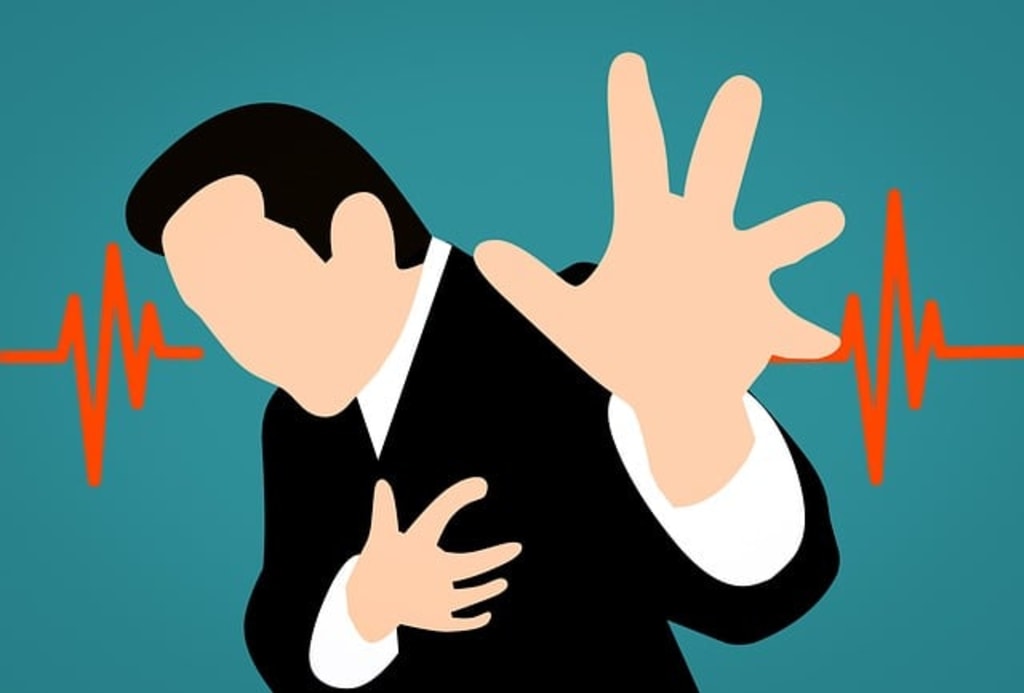
Heart disease is one of the leading causes of death globally, with cardiovascular diseases accounting for nearly one in every four deaths in India. Despite its high prevalence, many people are unaware of the risk factors that contribute to heart disease. Understanding these factors is essential because early detection and lifestyle changes can significantly reduce the risk of severe cardiac conditions according to top cardiologist in Nagpur. While some factors, like age and family history, are beyond our control, others such as diet, exercise, and smoking habits can be managed to lower overall risk.
In this blog, we will explore common heart disease risk factors, including modifiable and non-modifiable ones, and discuss practical steps you can take to protect your heart. Whether you have a family history of heart disease or just want to lead a healthier life, understanding your personal risk is the first step toward prevention.
What is Heart Disease?
Heart disease refers to a group of conditions affecting the heart’s structure and function. The most common type is coronary artery disease (CAD), where cholesterol buildup narrows arteries, reducing blood flow to the heart. This can lead to heart attacks, chest pain (angina), and heart failure. Other forms include arrhythmias (irregular heartbeats), cardiomyopathy (weakened heart muscles), and valvular heart disease.
In India, heart disease has surged due to poor lifestyle choices, unhealthy diets, and rising stress levels. Many cases remain undiagnosed until a serious event occurs, highlighting the need for early prevention and management.
Common Risk Factors for Heart Disease
Heart disease risk factors can be divided into two categories: non-modifiable (factors beyond our control) and modifiable (factors we can control through lifestyle changes).
Non-Modifiable Risk Factors
Some risk factors cannot be changed, but knowing them helps in early detection and prevention:
Age: As we grow older, arteries lose flexibility, raising the risk of high blood pressure and blockages. Men over 45 and women over 55 are at a higher risk.
Gender: Men are generally at a higher risk at a younger age, but after menopause, women face nearly equal risk due to hormonal changes.
Family History: A family history of heart disease increases your risk, particularly if parents or siblings had it early (before 55 for men, 65 for women).
Modifiable Risk Factors
Unlike genetic factors, modifiable risk factors can be controlled through lifestyle changes to reduce heart disease risk:
High Blood Pressure (Hypertension): Excess pressure on artery walls damages the heart over time. Managing salt intake, stress, and regular exercise helps control it.
High Cholesterol: Bad cholesterol (LDL) leads to plaque buildup in arteries. A diet rich in fiber, healthy fats, and regular exercise can help manage cholesterol levels.
Smoking & Alcohol: Smoking damages blood vessels, while excessive alcohol raises blood pressure and cholesterol. Quitting smoking alone can significantly reduce your heart disease risk.
Obesity & Diabetes: Extra weight strains the heart, and diabetes accelerates artery damage. A healthy diet and regular exercise are key to reducing these risks.
Emerging Risk Factors
Recent research points to additional contributors to heart disease:
Sleep Disorders: Conditions like sleep apnea reduce oxygen levels, raising blood pressure and putting extra strain on the heart.
Chronic Inflammation: Autoimmune diseases like rheumatoid arthritis and chronic infections increase heart disease risk.
Air Pollution: High levels of pollutants, especially in urban areas, lead to artery inflammation, increasing the risk of heart attacks.
Mental Health & Stress: Chronic stress, anxiety, and depression raise cortisol levels, which increase blood pressure and harm heart health.
Are You at Risk?
To assess your heart disease risk, ask yourself:
Do you have high blood pressure, diabetes, or high cholesterol?
Do you smoke or drink alcohol excessively?
Are you overweight or lead a sedentary lifestyle?
Do you experience chronic stress or poor sleep quality?
And if heart disease runs in your family or you have risk factors, take proactive steps with check-ups and lifestyle changes.
Preventive Measures
Lowering your risk starts with simple lifestyle changes:
Embrace a nutritious diet by incorporating more fruits, vegetables, whole grains, and lean proteins while cutting back on salt, sugar, and unhealthy fats.
Exercise Regularly: Aim for at least 30 minutes of moderate activity five days a week.
Quit Smoking & Limit Alcohol: Smoking harms arteries, while excess alcohol raises blood pressure.
Manage Stress & Sleep Well: Practice meditation or yoga for relaxation and ensure adequate sleep.
Monitor Health Regularly: Regularly check blood pressure, cholesterol, and glucose levels to catch issues early.
When to Consult a Cardiologist?
If you experience chest pain, shortness of breath, irregular heartbeats, or dizziness, consult a cardiologist in Nagpur immediately. These could be signs of heart disease. People with high blood pressure, diabetes, high cholesterol, or a family history of heart disease should schedule regular check-ups. Even if you're symptom-free, consider routine cardiac screenings, especially after age 40. Early diagnosis can prevent severe complications like heart attacks or strokes.
Conclusion
Understanding your heart disease risk factors is key to leading a healthier life. By adopting heart-healthy habits, seeking regular medical advice, and staying vigilant about your health, you can significantly reduce your risk.
If you're concerned about your heart health or need guidance managing your risks, consulting a specialist like Dr. Pankaj Harkut, a renowned cardiologist in Nagpur, can provide expert care and personalized advice. Remember, prevention is always better than cure.
About the Creator
Keep reading
More stories from Dr Pankaj Harkut and writers in Humans and other communities.
Cardiac Rehabilitation: A Path to Recovery and Wellness
Cardiac rehabilitation (cardiac rehab) is a medically supervised program aimed at helping individuals recover and improve heart health after a heart attack, surgery, or cardiovascular condition. It combines exercise, education, and emotional support to restore heart function, enhance quality of life, and prevent future complications. A multidisciplinary team, including best cardiologists in Nagpur, physiotherapists, dietitians, and psychologists, tailors the program to each patient's unique needs.
By Dr Pankaj Harkutabout a year ago in Humans
Cabin Fever Because of Snow, Sleet, and Freezing Rain That Turned to Icy Roads
What Is Cabin Fever? The short answer is that cabin fever is restlessness from being in a confined area. Cabin fever is the distressing irritability or restlessness experienced when a person or group is stuck at an isolated location or in confined quarters for an extended time. Research shows that prolonged cold, gray skies, and being stuck indoors can trigger mood shifts similar to “winter blues.”
By Margaret Minnicks5 days ago in Humans
Across the Ages of the Self: How the Soul Learns Through Time
There are ideas that arrive softly, like a whisper brushing the edge of consciousness, and others that land with the weight of recognition—as though they were always known, waiting only for language to catch up. The understanding that our incarnations on Earth unfold across vast arcs of time, spanning roughly 2,500 years of experiential learning, belongs to the latter category. It is not a doctrine, not a dogma, not a rigid metaphysical map. It is a framework that resonates across mystical traditions, ancient cosmologies, and modern spiritual inquiry. It is a way of understanding the soul’s long journey through matter, time, and choice.
By Julie O'Hara - Author, Poet and Spiritual Warrior7 days ago in Humans




Comments
There are no comments for this story
Be the first to respond and start the conversation.