
LIFE IN PRISON: THE LONG-TERM EFFECTS ON INMATES SERVING LIFE SENTENCES
English

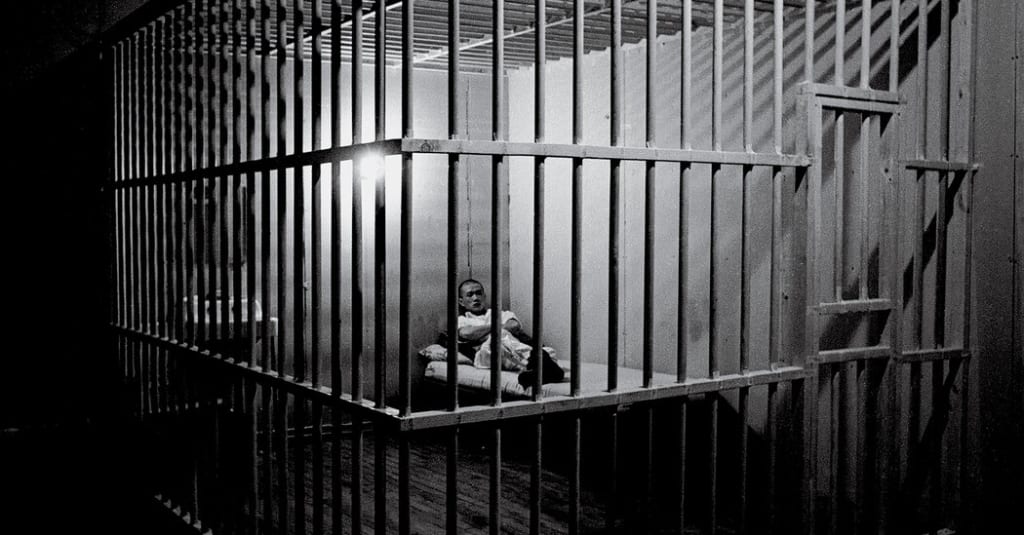
A life sentence in prison can fundamentally alter an individual's existence, reshaping their psychological, social, and physical realities. Those who serve life sentences, often referred to as "lifers," experience a unique and challenging journey that affects every aspect of their being. This article delves into the profound effects of living in prison for a lifetime, examining the mental, social, and physical impacts, as well as the broader implications for society.
Psychological Effects
Mental Health Challenges
One of the most significant impacts of a life sentence is on mental health. Prolonged incarceration can lead to a range of psychological issues, including depression, anxiety, and post-traumatic stress disorder (PTSD). The monotonous and restrictive environment of a prison, combined with the constant threat of violence, can exacerbate these conditions. The lack of autonomy and the stress of living in a highly controlled environment can lead to feelings of hopelessness and despair.
Institutionalization
Lifers often become institutionalized, a condition where inmates become so accustomed to the structure and routines of prison life that they struggle to function outside its confines. This can manifest in an over-reliance on rules and an inability to make independent decisions. The structured environment of prison, while necessary for order, can strip inmates of their ability to think and act autonomously, making reintegration into society extremely difficult if they are ever released.
Social Effects
Isolation and Alienation
Inmates serving life sentences often experience profound social isolation. They are separated from their families, friends, and communities for extended periods, sometimes permanently. This separation can lead to feelings of alienation and loneliness. Relationships with loved ones can deteriorate over time, especially if visits and communication are limited. Lifers may struggle to maintain meaningful connections, further deepening their sense of isolation.
Prison Subculture
Long-term inmates often become deeply embedded in the prison subculture, adopting its norms, values, and behaviors. This subculture can be both a means of survival and a source of further entrenchment in criminal behaviors. Lifers may form alliances and hierarchies that dictate their interactions and status within the prison community. While these relationships can provide a sense of belonging and security, they can also perpetuate cycles of violence and criminality.
Physical Effects
Health Decline
The physical health of inmates serving life sentences often deteriorates over time. Access to healthcare in prisons can be limited, and the quality of care may be subpar. Lifers are prone to chronic conditions such as hypertension, diabetes, and heart disease, exacerbated by stress, poor diet, and lack of exercise. Mental health issues can also have physical manifestations, contributing to a decline in overall well-being.
Aging in Prison
Aging in prison presents unique challenges. Prisons are generally ill-equipped to handle the needs of elderly inmates, leading to inadequate care for age-related conditions. The physical environment of prisons, with their hard surfaces, lack of accessibility features, and rigid schedules, can be particularly harsh on older inmates. As lifers age, they may require specialized care that many prisons are not prepared to provide.
Broader Implications
Cost to Society
Incarcerating individuals for life is expensive. The costs associated with long-term imprisonment, including healthcare, housing, and security, place a significant financial burden on the state. As the population of aging inmates grows, these costs are expected to rise. Some argue that alternative sentencing options, such as life without parole for non-violent offenders, could reduce these costs and provide opportunities for rehabilitation.
Ethical Considerations
The ethical implications of life sentences raise important questions about justice, rehabilitation, and human rights. Critics argue that life sentences without the possibility of parole are inhumane, denying individuals the opportunity for redemption and transformation. They contend that the criminal justice system should focus more on rehabilitation and less on punitive measures, offering lifers a chance to contribute positively to society.
Potential for Reform
Despite the challenges, there are efforts to reform the treatment of lifers. Some programs focus on providing education, vocational training, and therapeutic interventions to help lifers develop skills and coping mechanisms. Restorative justice initiatives aim to involve inmates in processes that acknowledge the harm they have caused and seek to repair relationships with victims and communities. These efforts recognize the potential for personal growth and change, even for those serving life sentences.
Conclusion
Life in prison for those serving life sentences is a complex and multifaceted experience, marked by significant psychological, social, and physical challenges. The long-term effects of incarceration can be profound, affecting not only the inmates but also their families and society at large. Understanding these impacts is crucial for informing discussions about criminal justice reform and exploring alternatives that balance accountability with the potential for rehabilitation and redemption.
About the Creator
PDZICOX
Everyday articles.
The information on this page will help you learn more about mystery, news, facts, psychology, geography and more. We will provide the best resources for learning about these topics.
The CEO of Everything
They say "jack of all trades, master of none," but they forgot to mention the part where the jack of all trades is also the camera woman, the makeup artist, and the person currently yelling at a tangled Wii microphone cable in a her own bathroom while recording herself singing and trying to make it look realistic and professional. (As professional as you can make it with nothing but a cell phone camera and a mic that doesn't work)
By Sara Wilson7 days ago in Humans
The Man Who Heard the Steel Scream: Tom Alvarez and the Paper Shield
The untold story of Tom Alvarez, the construction foreman who documented the structural instability of the I-35W bridge weeks before its 2007 collapse, challenging the official engineering reports.
By Frank Massey 7 days ago in Humans
The Summer I Was Chosen by a Northern Mockingbird
During the long, suspended days of the pandemic, a wild mockingbird began visiting my driveway and chose me, again and again. What started as a strange encounter became a brief, meaningful connection that I still carry with me.
By Erica Roberts 4 days ago in Petlife



Comments (1)
Awesome