
Latest Technology vs. Children: Understanding the Hidden Cost
How excessive use of smartphones and tablets affects children’s behavior, speech, and emotional development—and what parents can do to restore balance.
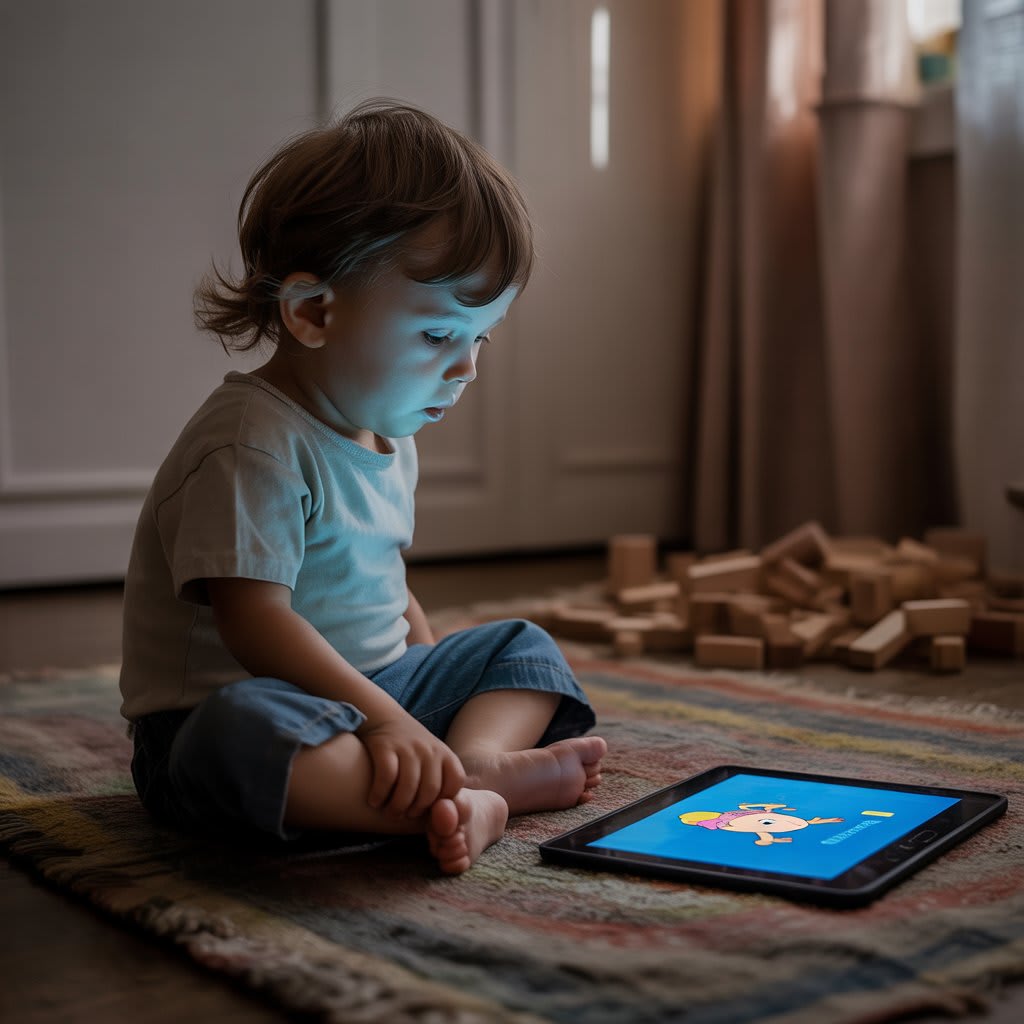
In today’s world, technology surrounds us. Smartphones, tablets, and the internet are part of everyday life—even for very young children. While these tools offer educational and entertainment benefits, they also bring hidden challenges that many parents, teachers, and doctors are noticing.
I’ve seen it firsthand with my own niece. When she can’t use her tablet, even for a few minutes, frustration quickly turns into tears, yelling, or stubborn refusal. These moments are more than just inconvenience—they signal how deeply technology is shaping emotional regulation in young minds.
The Emotional Side of Screen Time
Children today are used to instant gratification. Games, videos, and apps respond immediately to their touches, rewarding them constantly. Without these digital comforts, some struggle to cope with frustration. Tantrums, anger, and aggression become more frequent.
This behavior isn’t a reflection of poor parenting—it’s a sign of dependency. When children spend too much time in a digitally stimulating environment, patience and calmness don’t develop naturally. They learn to expect the world to respond immediately, and anything slower feels intolerable.
Speech and Communication Concerns
I’ve also noticed differences in how children communicate. A friend of mine, whose son spent hours daily on a tablet, mentioned he spoke far less than his peers and preferred pointing at the screen rather than saying words. Research supports this: excessive screen time can delay speech and reduce face-to-face interaction.
Conversation, listening, and social engagement are crucial for language development. Screens may entertain, but they don’t teach children how to read facial expressions, understand tone, or respond thoughtfully. These skills are the foundation for strong social and emotional growth.
Finding Balance
Technology isn’t inherently bad—it’s a tool. The key is balance. In my own family, we try to set clear limits: screen-free meals, outdoor play, and short breaks for imagination or reading. Even small changes make a big difference.
Here are a few strategies that work:
Encourage real-world interaction. Talk, read, and play together daily.
Model healthy technology use. Children notice how adults behave more than what they say.
Use devices as tools, not babysitters. Educational games are fine, but shared engagement makes them meaningful.
Observe and adjust. Every child reacts differently—watch for signs of stress, delay, or frustration.
Lessons I’ve Learned
One evening, after turning off my niece’s tablet, she burst into tears. Instead of giving in, I sat with her, played a short board game, and read a story together. Within minutes, her mood shifted. That moment reminded me: the most important lessons come from connection, not screens.
Technology is here to stay, but it should complement childhood—not replace it. Children need our attention, our patience, and our guidance. They need real conversation, laughter, and play. Screens can entertain, but love, presence, and interaction shape the mind and heart.
Final Thought
Modern gadgets are powerful, but the true cost of excessive use shows up quietly—in delayed speech, emotional frustration, and missed moments of connection. By setting boundaries, modeling healthy habits, and engaging with children directly, we can help them grow into emotionally resilient, socially skilled, and curious individuals.
Childhood isn’t meant to be spent staring at screens—it’s meant to be lived, explored, and shared. And in those small, real-world moments, children flourish far beyond what any device can offer.
About the Creator
Imran Khan
I’m 40, married, and a father working in the private sector. Life delayed my passion for writing, but now that I’m more stable, I’m sharing personal lessons and reflections from my career, family, and real-life experiences.
Keep reading
More stories from writers in Humans and other communities.
Whiskey At Dusk
Guess the whiskey was more important to you in the end, wasn’t it? It was more than the well-being of your friends; more vital than showing up to the places you promised you would and could come to; more critical of a matter than fulfilling your damn responsibilities and getting the press off your back.
By Snarky Lisa4 days ago in Humans
(5) The State Turned Inward
- The Original Purpose of State Power - The fundamental justification for the state’s coercive power has always been outward-facing. Force was legitimized as a means of protecting the community from external threats, adjudicating disputes between citizens, and maintaining internal order where voluntary cooperation failed. In this framework, coercion was constrained by purpose. It existed to preserve the conditions under which ordinary life could continue, not to manage citizens as subjects. The state’s power was understood as dangerous but necessary, and therefore something to be limited, monitored, and distributed across institutions to prevent abuse.
By Peter Thwing - Host of the FST Podcast3 days ago in Humans
The Blue Ridge Stalker
Tom had left the Ford down the way, its spark plugs finally exhausted and no mechanics for a dozen miles back through the foothills to Strossburg. No matter, he had worn his boots—almost as if he planned for this to happen. The puzzle he sought to solve emanated from the woods clinging to the slopes above; the valley behind held no mysteries.
By Stephen A. Roddewig7 days ago in Fiction



Comments
There are no comments for this story
Be the first to respond and start the conversation.