
Journey of a baby inside the mother’s womb
Everything u had to know before planning for a baby
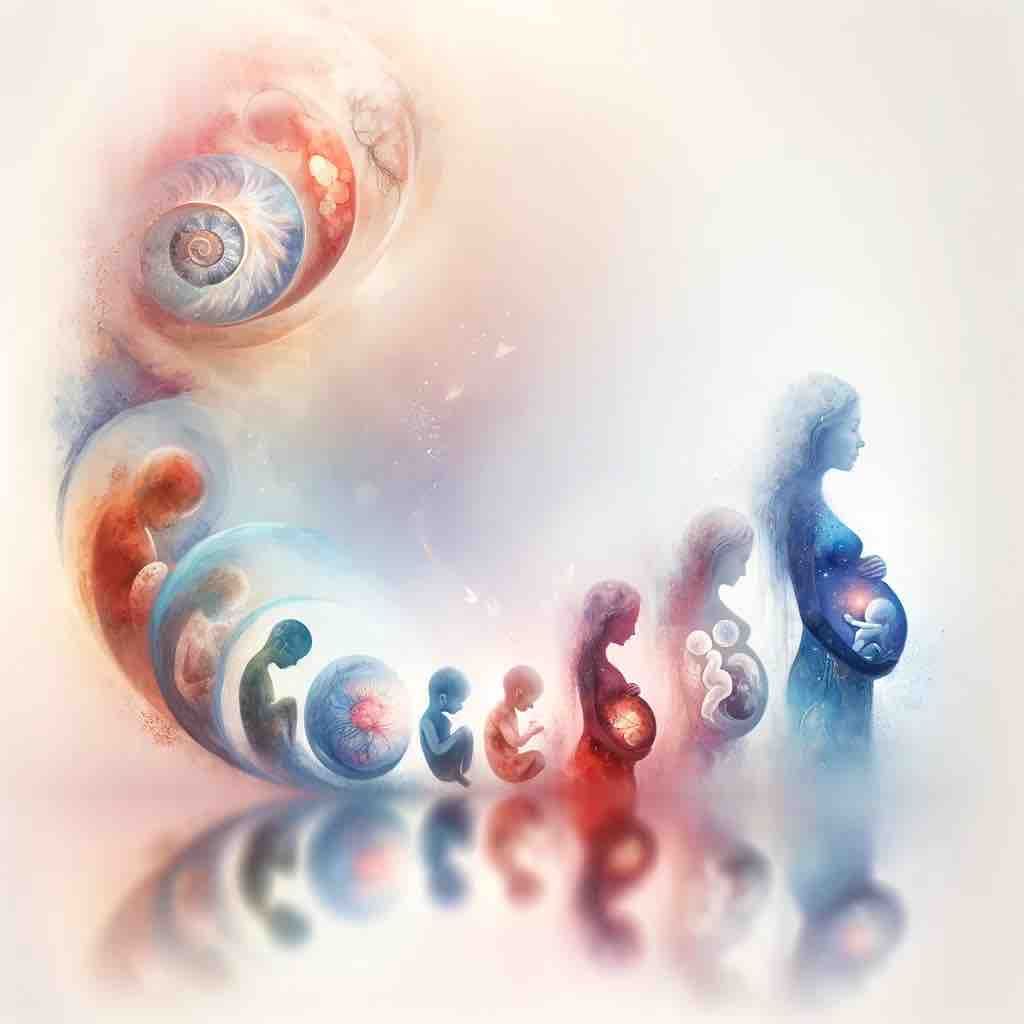
The development of a baby from an embryo is a fascinating and complex process that unfolds over several stages, beginning at conception and culminating in the birth of a fully formed infant. This journey, known as embryogenesis, involves a series of remarkable transformations that occur within the womb, setting the foundation for a new life.
*1. Conception: The Beginning of Life*
The journey begins with fertilization, when a sperm cell from the father penetrates the egg cell of the mother. This union creates a single cell known as a zygote, which contains a complete set of genetic material from both parents. The zygote then begins to divide and multiply, transforming into a multi-cellular structure.
**2. Early Embryonic Development**
Approximately three to four days after fertilization, the zygote develops into a blastocyst, a hollow sphere of cells. The blastocyst consists of an inner cell mass that will eventually form the embryo and an outer layer of cells that will become part of the placenta. Around this time, the blastocyst implants itself into the uterine wall, a crucial step that establishes the connection between the mother and the developing embryo.
**3. Formation of the Embryo**
Once implanted, the embryo undergoes rapid growth and differentiation. This stage, known as the embryonic period, lasts from the third to the eighth week of pregnancy. During this time, the three primary germ layers—ectoderm, mesoderm, and endoderm—begin to form. Each layer is responsible for developing different systems and structures within the body:
- **Ectoderm**: This outer layer will give rise to the skin, hair, nails, and the nervous system, including the brain and spinal cord.
- **Mesoderm**: The middle layer forms the muscles, bones, cardiovascular system, and reproductive organs.
- **Endoderm**: The innermost layer develops into the digestive system, lungs, and other internal organs.
**4. Organogenesis: The Development of Organs**
Between the fourth and eighth weeks, the process of organogenesis occurs, during which the major organs and body systems begin to take shape. By the end of the eighth week, the embryo is about the size of a grape and has recognizable features, including a developing heart that begins to beat, limbs that start to form, and facial features that emerge.
**5. The Fetal Stage**
After the eighth week, the developing baby is referred to as a fetus. This stage lasts until birth and is characterized by continued growth and maturation of the organs and systems established during embryogenesis. The fetal stage allows for significant development, including the growth of the brain, further differentiation of bodily systems, and the development of sensory organs.
During this period, the fetus also begins to exhibit movements, which the mother may start to feel around the 18th to 20th week. By the end of the second trimester, the fetus is typically about 12 inches long and weighs around 2 pounds.
**6. Preparation for Birth**
In the final trimester, the fetus continues to grow rapidly, gaining weight and preparing for birth. The lungs mature, and the fetus begins to practice breathing movements. The skin becomes less transparent, and fat deposits accumulate, providing insulation and energy reserves.
As the pregnancy approaches its conclusion, the fetus will typically turn to a head-down position in preparation for delivery. The mother's body also undergoes changes to facilitate labor and birth.
**Conclusion**
The development of a baby from an embryo is a remarkable journey that illustrates the intricate processes of human biology. From the initial fusion of sperm and egg to the emergence of a fully formed infant, each stage of development is essential for the creation of a healthy and thriving baby. Understanding this process not only highlights the beauty of life but also underscores the importance of prenatal care in supporting the health of both the mother and the developing child.
About the Creator
Keep reading
More stories from writers in Humans and other communities.
Time to change your life.
Is it even possible for you to change your life? A lot of people, more than there should be, are unhappy with their lives. But what are they doing about it? Usually nothing. People talk about how shitty their lives are and want change, but are they not taking the actions to change?
By Jen Phillips4 days ago in Humans




Comments
There are no comments for this story
Be the first to respond and start the conversation.