
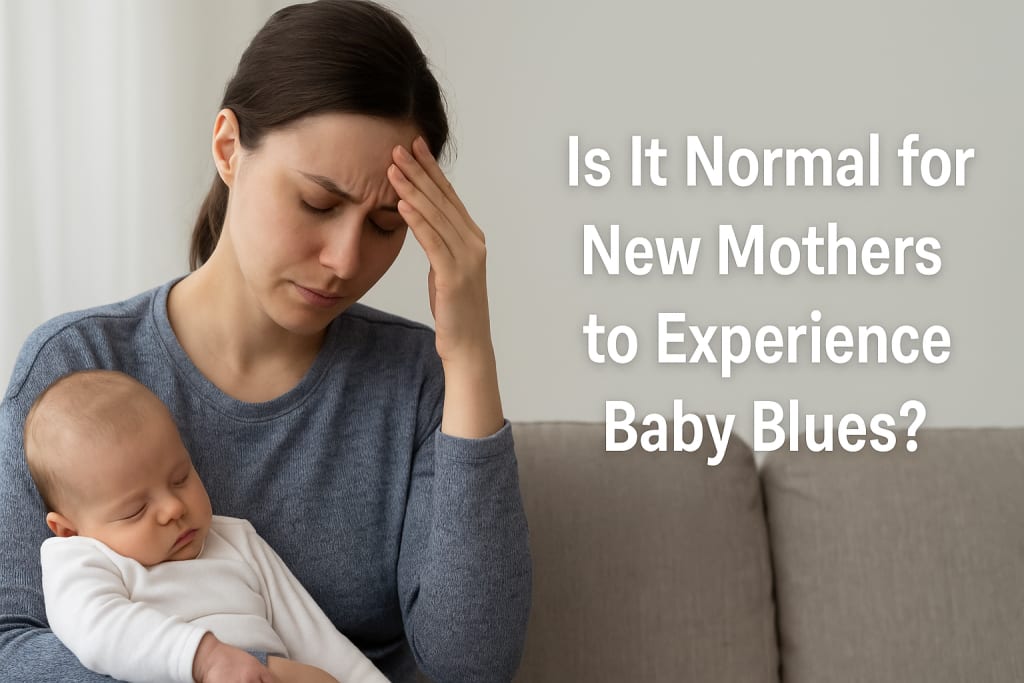
Is It Normal for New Mothers to Experience Baby Blues?
Understanding the emotional rollercoaster after childbirth—and why you're not alone.

Introduction
You've just brought a new life into the world. Friends and family expect you to be glowing with joy, surrounded by flowers, and basking in the wonder of motherhood. But instead, you find yourself crying for no reason, feeling overwhelmed, or even questioning whether you're cut out for this.
If this sounds familiar, take a deep breath—you're not broken. You're not a bad mom. You're experiencing something very common: the baby blues.
In fact, up to 80% of new mothers go through this emotional wave shortly after giving birth. While it can feel scary and isolating, understanding what's happening—and why—is the first step toward healing.
⸻
What Exactly Are the Baby Blues?
The "baby blues" is a term used to describe the mild mood swings, sadness, irritability, and anxiety that many women experience during the first two weeks after childbirth.
It's not a mental illness. It's not postpartum depression (which is more serious and long-lasting). Instead, the baby blues are a normal response to the intense hormonal shifts, sleep deprivation, and emotional upheaval that come with having a baby.
Common symptoms include:
- Sudden crying spells
- Mood swings
- Anxiety or restlessness
- Trouble sleeping (even when the baby sleeps)
- Difficulty concentrating
- Feeling overwhelmed or emotionally fragile
These symptoms usually begin 3 to 5 days after delivery and tend to resolve on their own within a week or two.
⸻
Why Does It Happen?
The postpartum period is like a perfect storm—biologically and emotionally.
Here's what's happening behind the scenes:
- Hormonal crash – Right after delivery, levels of estrogen and progesterone drop drastically. These hormonal shifts can significantly affect your mood and mental clarity.
- Lack of sleep – Newborns sleep in short bursts, often waking every 2–3 hours. This constant interruption takes a serious toll on a new mother's body and mind.
- Emotional adjustment – You've just gone through one of the most profound changes a human can experience. Your identity, routine, and relationships all shift.
- Pressure to be perfect – Social media and societal expectations can make new moms feel they should be joyful, grateful, and glowing at all times. That's not reality.
Add physical discomfort from delivery or a C-section, challenges with breastfeeding, and recovery from labor—and it's no wonder so many women feel overwhelmed.
⸻
How Is It Different from Postpartum Depression?
While the baby blues are temporary and relatively mild, postpartum depression (PPD) is more intense and lasts longer. PPD can begin any time within the first year and may include:
- Persistent sadness or hopelessness
- Loss of interest in things you used to enjoy
- Difficulty bonding with your baby
- Thoughts of harming yourself or your baby
- Severe anxiety or panic attacks
If your feelings don't ease after two weeks—or they get worse—it's important to talk to a doctor or mental health professional. Postpartum depression is treatable, and you're not alone.
⸻
What Can You Do About the Baby Blues?
While you can't stop the baby blues from happening, there are ways to ease the burden and support your mental well-being:
- Rest when you can – Sleep is medicine. Even a 30-minute nap can reset your mood.
- Ask for help – Let someone else hold the baby while you shower, nap, or take a short walk. You don't have to do everything.
- Talk about your feelings – Share with a trusted friend, your partner, or another mom. Sometimes just saying "I feel overwhelmed" is incredibly healing.
- Eat nourishing food – Your body is still recovering. Nutritious meals and hydration help support your mood and energy.
- Lower the bar – The dishes can wait. Focus on you and your baby.
- Avoid isolation – Even if it's just a phone call or online group chat, connecting with others matters.
- Give yourself grace – You are doing something amazing. It's okay to not feel amazing all the time.
⸻
Partners and Family: Here's How You Can Help
If you're close to a new mom, your support can make a world of difference. Here's how:
- Be present, not perfect. Listen without trying to "fix" things.
- Take initiative. Do the laundry, prepare meals, or watch the baby unprompted.
- Validate her feelings. Don't say "just be happy"—say "I hear you, and it's okay to feel this way."
- Encourage self-care. Offer time and space for her to take a break, shower, or rest.
⸻
The Truth About Motherhood
The early days of motherhood are messy, magical, exhausting, and transformative. You might feel joy and grief in the same hour. You might cry over spilled milk—literally and emotionally.
But none of that makes you a bad mother. It makes you a real one.
So yes—it is normal to experience the baby blues. And you're not weak or failing. You're adjusting, healing, and growing into one of the most challenging and beautiful roles life has to offer.
⸻
Conclusion
The baby blues can feel overwhelming, especially when the world expects you to be glowing with happiness. But remember: this phase is temporary. You're not alone, you're not abnormal, and you're certainly not failing.
Be kind to yourself. Ask for help. And trust that, like all storms, the clouds will part—and the light will return.
About the Creator
HazelnutLattea
Serving stories as warm as your favorite cup. Romance, self reflection and a hint caffeine-fueled daydreaming. Welcome to my little corner of stories.
Stay tuned.🙌
Keep reading
More stories from HazelnutLattea and writers in Humans and other communities.
Kyrsten Sinema
Kyrsten Sinema is an important American political leader. She worked for many years in the U.S. government and became known for being different from many others in politics. This article uses easy English and clear subtitles to help you understand who she is, where she came from, what she did, and what is happening now with her.
By Farhan Sayed2 days ago in Humans


Comments
There are no comments for this story
Be the first to respond and start the conversation.