
Intermittent fasting
A powerful tool for weight loss and longevity
Introduction:
In a world where fad diets come and go, intermittent fasting has emerged as a powerful and sustainable approach to weight loss and longevity. This intriguing article delves into the science behind intermittent fasting, its potential health benefits, and how it can be incorporated into your lifestyle. Discover the secrets of this fasting method and unlock its potential to transform your body and promote longevity.
1. What is Intermittent Fasting?
Intermittent fasting is not a diet but an eating pattern that cycles between periods of fasting and eating. It involves alternating between fasting periods, where no or minimal calories are consumed, and feeding windows, where meals are consumed within a specific time frame. This approach allows your body to tap into its fat stores, leading to weight loss and a range of other potential benefits.
2. Weight Loss and Fat Burning:
One of the primary reasons intermittent fasting has gained popularity is its effectiveness in promoting weight loss. By restricting the time window in which you eat, this method creates a calorie deficit, leading to increased fat burning and weight loss. Additionally, intermittent fasting can help regulate hormones related to appetite and metabolism, making it easier to control cravings and maintain a healthy weight.
3. Improved Insulin Sensitivity:
Intermittent fasting has been shown to enhance insulin sensitivity, which is crucial for maintaining stable blood sugar levels. By giving your body regular periods without food, you reduce the frequency of insulin spikes, promoting better blood sugar control. Improved insulin sensitivity not only aids in weight loss but also reduces the risk of type 2 diabetes and other metabolic disorders.
4. Cellular Repair and Longevity:
Fasting triggers cellular repair processes such as autophagy, where old and damaged cells are broken down and recycled. This cellular renewal can have profound effects on longevity and overall health. Studies suggest that intermittent fasting may help protect against age-related diseases, improve cognitive function, and enhance longevity by promoting cellular health and resilience.
5. Enhanced Brain Function:
Intermittent fasting has shown promise in boosting brain function and protecting against neurodegenerative diseases. It may increase the production of brain-derived neurotrophic factor (BDNF), a protein that supports the growth and survival of neurons. Higher levels of BDNF have been associated with improved cognitive function, memory, and mood. 6. Potential Heart Health Benefits:
Research indicates that intermittent fasting may have positive effects on heart health by reducing blood pressure, improving cholesterol levels, and lowering triglyceride levels. These benefits can help lower the risk of heart disease and support overall cardiovascular well-being.
7. Getting Started with Intermittent Fasting:
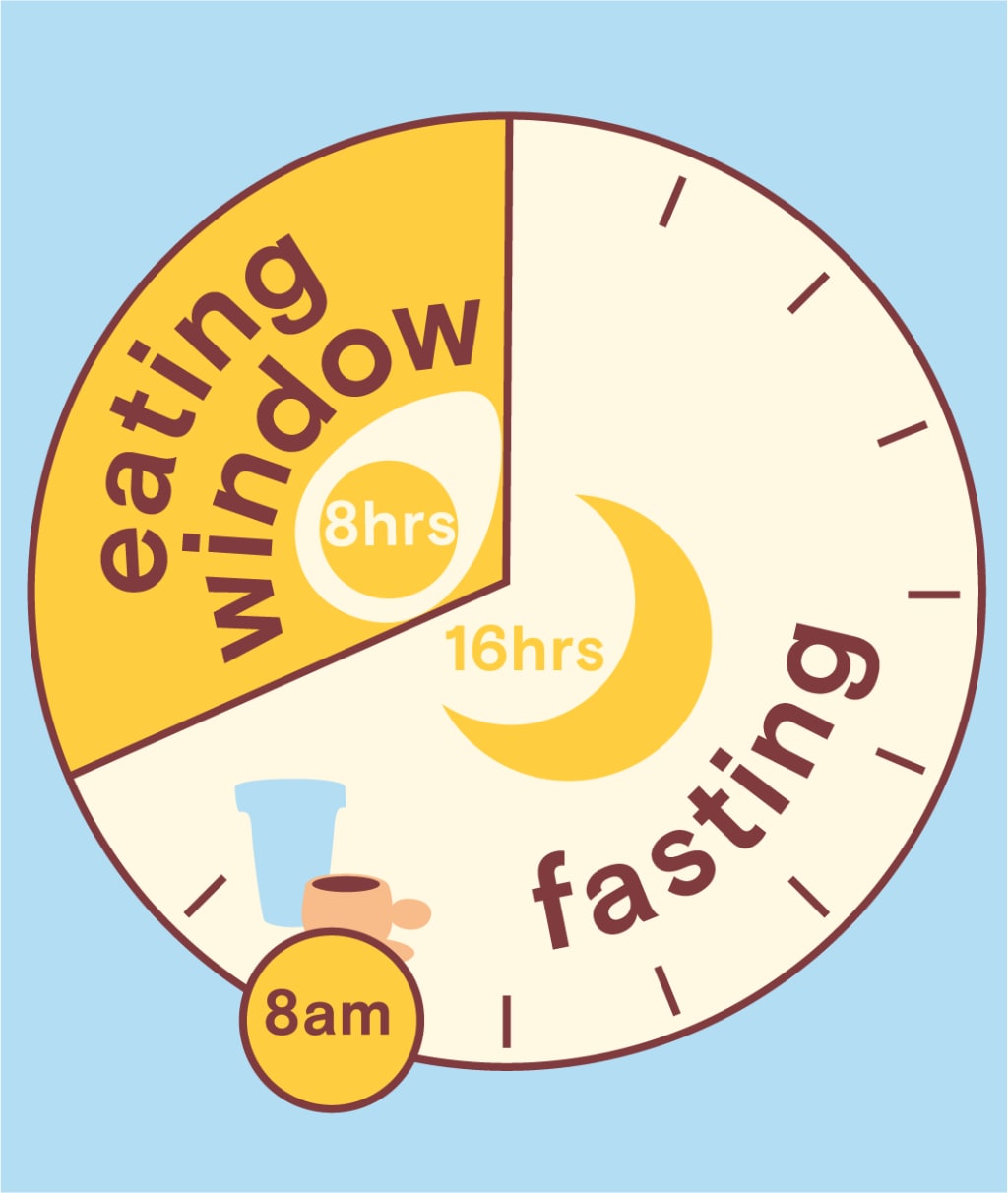
Before embarking on an intermittent fasting regimen, it’s essential to choose a method that aligns with your lifestyle and health goals. Popular approaches include the 16/8 method, where you fast for 16 hours and have an 8-hour feeding window, or the 5:2 method, which involves consuming a limited number of calories (around 500-600) on two non-consecutive days per week.
8. Precautions and Considerations:
While intermittent fasting can be beneficial for many individuals, it may not be suitable for everyone. It is important to listen to your body, consult with a healthcare professional if you have underlying health conditions, and adjust the fasting regimen accordingly. It’s also crucial to prioritize nutrient-dense meals during feeding windows to ensure adequate nourishment.
Conclusion:
Intermittent fasting is a powerful tool for weight loss, longevity, and overall well-being. By incorporating this eating pattern into your lifestyle, you can tap into your body’s natural fat-burning mechanisms, improve insulin sensitivity, and promote cellular repair. Experience the potential benefits of enhanced brain function, heart health, and longevity. you embark on your intermittent fasting journey, remember to approach it with patience and consistency. Consistently adhering to your chosen fasting method, combined with a balanced and nutritious diet during feeding windows, will yield the best results.
It’s important to note that intermittent fasting is not a one-size-fits-all approach. Each individual may have different needs and preferences, so it’s crucial to listen to your body and make adjustments accordingly. If you experience any adverse effects or have concerns about your health, it’s recommended to consult with a healthcare professional before starting intermittent fasting.
Incorporating intermittent fasting into your lifestyle requires discipline and mindful eating habits. During fasting periods, stay hydrated with water, herbal teas, or black coffee. When it’s time to break your fast, opt for nutrient-dense meals that include a balance of proteins, healthy fats, and carbohydrates, along with an abundance of fruits and vegetables.
Remember that intermittent fasting is not solely about weight loss. It’s a holistic approach to improving overall health and well-being. Embrace the potential benefits of improved insulin sensitivity, cellular repair, enhanced brain function, and heart health.
As with any lifestyle change, it’s essential to give yourself time to adapt and find a fasting routine that suits your individual needs and preferences. Start gradually and allow your body to adjust to the new eating pattern. Seek support from online communities or consider working with a registered dietitian or nutritionist who can provide guidance and personalized recommendations.
Incorporating intermittent fasting into your life has the potential to be a transformative journey. It’s not just about losing weight; it’s about optimizing your health, promoting longevity, and discovering a new sense of well-being. Stay committed, be patient, and enjoy the benefits of this powerful tool for weight loss and longevity.
About the Creator
Keep reading
More stories from Nafisa Idris and writers in Humans and other communities.
Boost your energy naturally
Introduction: Are you tired of feeling tired? Fatigue can significantly impact our productivity, mood, and overall quality of life. While reaching for a quick fix like caffeine or energy drinks may provide temporary relief, they often come with undesirable side effects. In this intriguing article, we uncover effective and natural ways to boost your energy levels, banishing fatigue for good. Say goodbye to sluggishness and embrace a vibrant and energized life with these top tips.
By Nafisa Idris 3 years ago in Humans
The CEO of Everything
They say "jack of all trades, master of none," but they forgot to mention the part where the jack of all trades is also the camera woman, the makeup artist, and the person currently yelling at a tangled Wii microphone cable in a her own bathroom while recording herself singing and trying to make it look realistic and professional. (As professional as you can make it with nothing but a cell phone camera and a mic that doesn't work)
By Sara Wilson6 days ago in Humans
How, Too
Many people wonder how, too. You are not alone, and I am an expert. I will teach you how, too! First, you need to remit a small application fee and fill out an application describing the nature of your financial situation and how often payments will be made, as this will have great bearing on how well I teach you how, too.
By Harper Lewis7 days ago in Fiction



Comments
There are no comments for this story
Be the first to respond and start the conversation.