
IMPACT OF AI ON HUMANITY
The Future of AI: Opportunities and Challenges

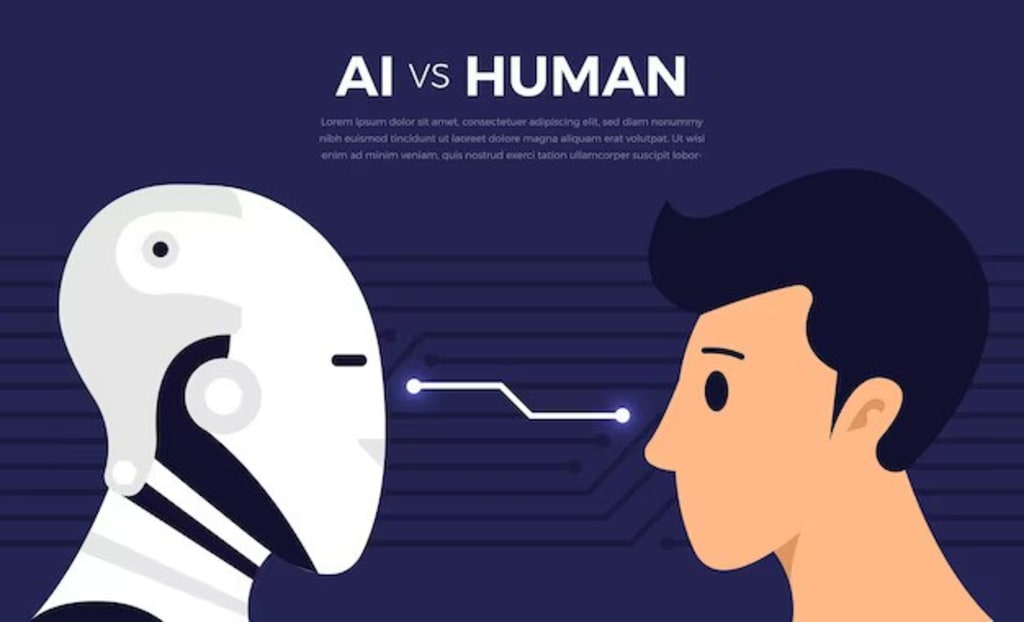
Artificial Intelligence (AI) has increasingly become a transformative force in modern society, reshaping industries, economies, and human lives. From its humble beginnings in simple problem-solving algorithms, AI has now evolved into complex systems capable of mimicking human cognition, analyzing vast amounts of data, and even performing tasks previously thought to be reserved for humans. While AI holds immense promise in terms of innovation and progress, it also presents challenges that need to be addressed carefully to ensure its benefits are maximized while minimizing potential risks.
Economic Impact
AI's influence on the economy is profound, particularly in terms of automation. Many industries, including manufacturing, healthcare, and retail, have already seen AI-driven automation improve efficiency, reduce costs, and enhance precision. In manufacturing, robots and AI-driven machines can perform tasks with higher consistency and speed than human workers, leading to greater production and less waste. Similarly, AI is revolutionizing the healthcare sector, from improving diagnostic accuracy to personalizing treatment plans for patients. For example, AI algorithms can analyze medical images to detect diseases like cancer more accurately and quickly than human radiologists.
However, this advancement is not without its drawbacks. Automation powered by AI may lead to significant job displacement, particularly in sectors where manual labor is predominant. As machines take over repetitive and low-skilled jobs, there is growing concern that many workers may find themselves unemployed or forced to retrain for higher-skilled positions. This shift could exacerbate economic inequality, creating a divide between those who can harness the power of AI and those who are left behind.
Social and Ethical Concerns
Beyond economic implications, AI raises several social and ethical issues that require careful consideration. One of the most pressing concerns is privacy. As AI systems collect and process vast amounts of personal data, there is an increasing risk of surveillance and misuse. AI-powered technologies, such as facial recognition and data analytics, are used by governments and corporations to track individuals' movements and behaviors. While these technologies can enhance security and efficiency, they can also infringe upon people's right to privacy, leading to questions about how to balance safety with civil liberties.
AI also introduces ethical dilemmas in decision-making. Algorithms are often used to make choices in areas such as lending, hiring, and criminal justice. However, these systems can inherit biases from the data they are trained on, leading to discrimination. For example, AI systems used in hiring might be biased against certain groups, such as women or racial minorities, if the data used to train these systems reflects existing prejudices. Such biases can perpetuate inequality and deepen social divides.
Human-AI Interaction
The rise of AI has also led to new forms of interaction between humans and machines. AI-powered virtual assistants, chatbots, and customer service agents are becoming commonplace in daily life, offering personalized recommendations, solving problems, and streamlining tasks. These interactions are often designed to mimic human-like communication, which raises questions about the emotional impact on individuals. As AI becomes more adept at understanding human emotions and responses, there is concern about people forming emotional bonds with machines, potentially leading to feelings of isolation or detachment from real human relationships.
While AI can improve human well-being in certain areas, such as mental health and personalized healthcare, there are concerns about its role in diminishing authentic human connections. People may become overly reliant on AI for companionship, advice, or emotional support, leading to an erosion of genuine human interactions.
AI and Creativity
AI’s impact extends to creative industries as well, where it is being used to create music, art, literature, and even films. AI tools that generate artwork or write music compositions based on learned patterns and styles have sparked debates over the nature of creativity. Can AI truly be creative, or is it simply imitating patterns it has been trained on? Some argue that AI can enhance human creativity by serving as a tool to explore new ideas and concepts. For example, AI-driven programs are already being used in design and entertainment to generate innovative ideas, enhance visual effects, and automate mundane tasks, freeing up human artists to focus on more complex aspects of their work.
On the other hand, there are concerns that AI may lead to the devaluation of human creativity. As AI-generated content becomes more common, questions about authorship, originality, and the value of human artistic expression become increasingly relevant. If AI can generate high-quality art or music, does this diminish the unique value of human-created works?
The Future of AI
Looking ahead, the future of AI is filled with both promise and uncertainty. The rapid advancement of AI technology could lead to breakthroughs in fields like space exploration, climate change mitigation, and sustainable energy solutions. AI could help identify new drug treatments, address global challenges, and revolutionize education by offering personalized learning experiences for students. The potential for AI to improve quality of life is immense, but its continued development must be guided by ethical principles, fairness, and transparency.
As AI continues to evolve, humanity faces the challenge of creating frameworks for its responsible use. Governments, companies, and individuals must work together to ensure that AI serves the collective good and does not perpetuate harm. Ensuring that AI benefits everyone, while mitigating its risks, will be one of the defining challenges of the 21st century.
Conclusion
AI is undoubtedly reshaping the fabric of society in numerous ways. It offers vast opportunities for economic growth, social innovation, and personal convenience. However, the integration of AI into our lives comes with significant challenges, particularly in terms of job displacement, privacy, ethics, and human relationships. As humanity continues to embrace AI, it must do so with awareness of the potential risks, while also recognizing the transformative power it holds to enhance human life in ways previously unimagined.
About the Creator
Badhan Sen
Myself Badhan, I am a professional writer.I like to share some stories with my friends.
Keep reading
More stories from Badhan Sen and writers in Humans and other communities.
INTERGENERATIONAL BONDS
The Strength of Family Across Generations Intergenerational bonds refer to the relationships between individuals from different generations within a family, such as those between grandparents, parents, and children. These connections form a vital part of human life, offering a bridge between past, present, and future. The exchange of wisdom, experiences, values, and traditions between different generations not only strengthens family ties but also plays a crucial role in shaping individuals’ identities, behaviors, and worldviews. Intergenerational bonds provide a unique opportunity to understand the shared history of a family, while also nurturing growth, support, and unity across generations.
By Badhan Senabout a year ago in Humans
The Parking Lot Vigil: The Woman Who Slept in Her Car for Three Years So Her Son Wouldn’t Die Alone
The concrete of a parking garage holds a specific kind of cold. It is a damp, industrial chill that settles into the bones and refuses to leave, regardless of how many layers of wool or polyester you pile on top of yourself. It smells of exhaust fumes, stale oil, and the metallic tang of winter. For most people, a parking garage is a transient space—a place to leave a vehicle while living life elsewhere.
By Frank Massey 4 days ago in Humans


Comments (1)
I guess humans will just have to try to get used to AI for there is no getting away from it. It is helpful to a point but will not take the place of human interaction in many areas. Great article.