
I Didn’t Want to Be the Strong One Anymore
Being strong kept me surviving—but it also kept me silent.

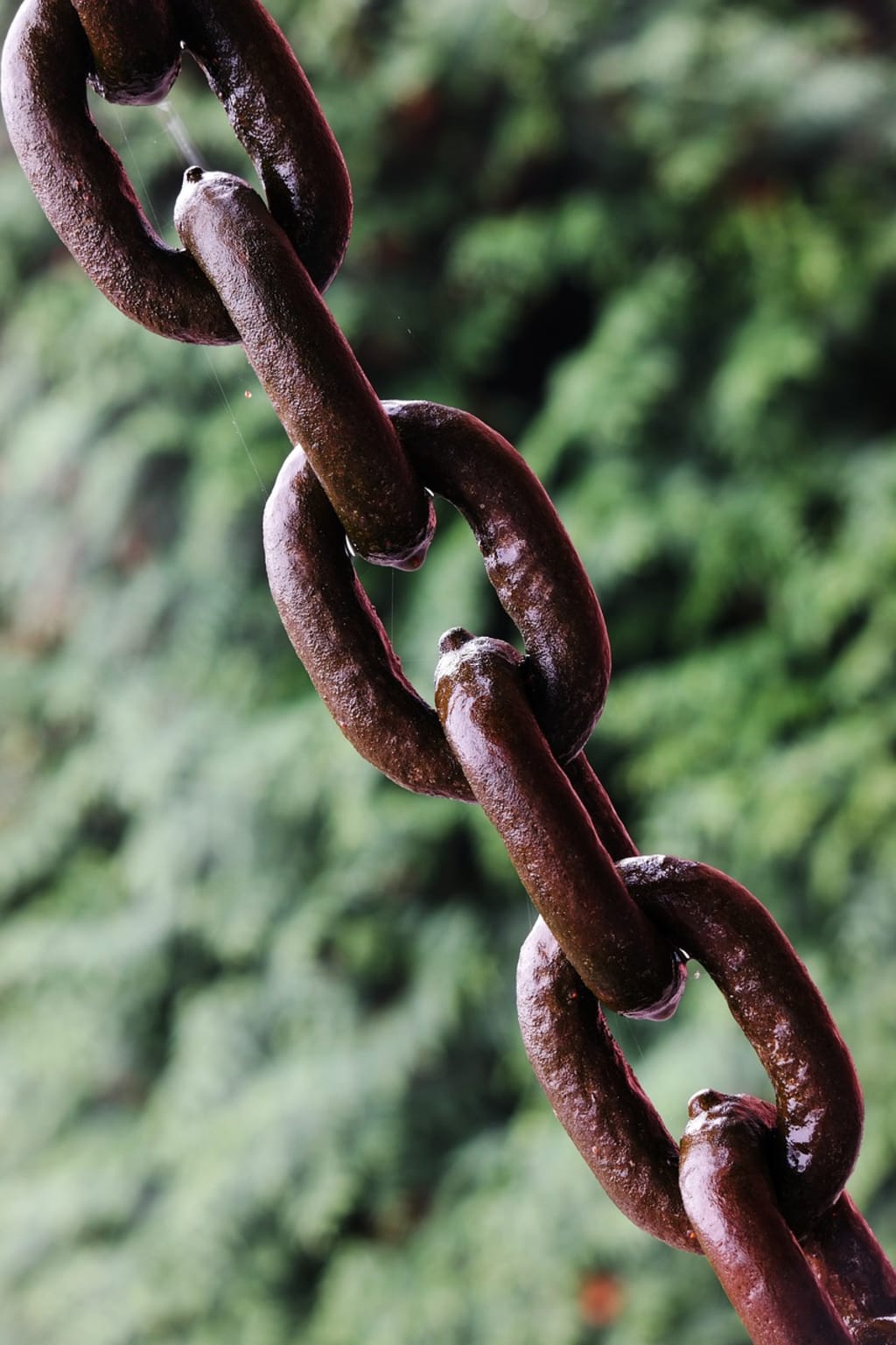
There’s something quietly exhausting about always being the strong one.
You become the person people lean on. The one who holds it together. The fixer. The listener. The calm in the storm.
You’re the one who “has it handled,” who doesn’t fall apart, who keeps going no matter what.
At first, it feels like a role to be proud of. A badge of honor. Strength is admirable, right?
Until one day, you realize you’re carrying more than you were ever meant to, and no one notices—because they’ve never had to.
I didn’t want to be the strong one anymore.
Not because I was weak.
But because I was finally tired of being invisible inside my strength.
When Strength Becomes a Mask
The problem with always being strong is that people stop asking if you’re okay.
They assume you are.
Because you’re always smiling.
Always showing up.
Always functioning.
But inside, there’s a quiet ache.
You’ve held back tears in bathrooms.
You’ve swallowed your needs so others wouldn’t feel burdened.
You’ve heard “You’re so strong” when you were barely holding on.
Strength became my mask. It was easier to wear it than to admit I was struggling. I thought vulnerability made me a burden. I thought needing help made me less worthy of love.
So I powered through. I took care of everything—except myself.
The Cost of Always Coping
People don’t always notice the strong ones breaking because we do it silently.
We fall apart in the small ways:
Cancelling plans but saying it’s “just busy.”
Smiling through pain because “others have it worse.”
Minimizing our hurt so we don’t make anyone uncomfortable.
The truth?
Strength without softness is just survival.
And survival isn’t the same as living.
I was functioning, but I wasn’t feeling.
I was coping, but I wasn’t healing.
I was managing everything—but barely managing myself.
The Moment I Couldn’t Hold It Anymore
It wasn’t one big breakdown. It was a thousand little cracks finally catching up to me.
A quiet evening. A single, kind question from someone who rarely asked:
“Are you okay?”
And I couldn’t answer.
Because if I started crying, I wasn’t sure I’d stop.
That night, I realized I didn’t want to be the strong one anymore.
I didn’t want to be the one who never needed help.
I didn’t want to keep pretending.
I didn’t want to be admired for my resilience if it meant abandoning my own humanity.
What I’ve Learned Since Letting Go of “Always Strong”
Letting go of the role wasn’t easy. Strength had become my identity. But here’s what I’ve discovered since:
1. Asking for help is strength, too.
It takes courage to say, “I can’t do this alone.”
It’s not weakness—it’s wisdom. We’re not built to carry everything by ourselves.
2. Vulnerability deepens connection.
The people who love you don’t just want the version of you that’s always okay. They want the real you—even when you’re hurting.
3. Boundaries are a form of self-respect.
You’re allowed to say no. You’re allowed to rest. You’re allowed to step back when you’re stretched thin.
4. You don’t have to prove your strength.
Your worth isn’t measured by how much you endure. You are not more lovable because you suffer silently.
Giving Myself Permission to Break
Since shedding that “always strong” persona, I’ve learned how to fall apart safely.
Sometimes, that looks like:
Crying without apologizing for it.
Telling a friend, “I need you to just listen.”
Saying, “I’m not okay today,” and letting that be enough.
Resting even when things feel unfinished.
And the world didn’t fall apart when I stopped holding everything together.
In fact, it opened up.
I started to feel again. To breathe again. To live again.
To the One Who’s Always Strong
If you’re reading this and you’re always the one who holds it all together, this is for you.
You don’t have to be everything for everyone.
You’re allowed to fall apart.
You’re allowed to not have all the answers.
You’re allowed to stop performing strength and start choosing honesty.
Because your softness matters just as much as your resilience.
Your needs matter just as much as your support for others.
And you matter—not for how much you carry, but for who you are when you set it down.
Final Thoughts: Strong Doesn’t Have to Mean Silent
I will always be a strong person—but now, it’s a different kind of strength.
A strength that knows how to ask for help.
A strength that says “no” when needed.
A strength that isn’t afraid to be soft.
A strength that no longer confuses silence with stability.
I didn’t stop being strong.
I just stopped being silent about what it was costing me.
And in doing so, I found a deeper version of strength—one rooted not in endurance, but in truth.
About the Creator
Irfan Ali
Dreamer, learner, and believer in growth. Sharing real stories, struggles, and inspirations to spark hope and strength. Let’s grow stronger, one word at a time.
Every story matters. Every voice matters.
Autonomy Is The Real Privilege
Good morning, freedom-seekers! Today we’re gonna be looking at autonomy. A strange word, I know; one many would probably look at blankly and run away from on sight. We’re gonna figure out what it actually means, consider how it’s achieved, and decipher just how deeply most of us are tangled up in dependence without realising it.
By That ‘Freedom’ Guyabout 7 hours ago in Humans
OpenAI CFO Announces Annualized Revenue Surpasses $20 Billion in 2025
OpenAI, one of the world’s leading artificial intelligence companies, has officially crossed a major financial milestone. The company’s Chief Financial Officer (CFO) confirmed that OpenAI’s annualized revenue for 2025 has exceeded $20 billion, reflecting both its rapid growth and the increasing demand for AI-driven solutions across industries.
By Muhammad Hassanabout 12 hours ago in Humans



Comments
There are no comments for this story
Be the first to respond and start the conversation.