
Human Metapneumovirus (HMPV) in the United States: Comprehensive Updat
Human Metapneumovirus (HMPV) in the United States: Comprehensive Updat

Human Metapneumovirus (HMPV) in the United States: Comprehensive Update
Overview of HMPV
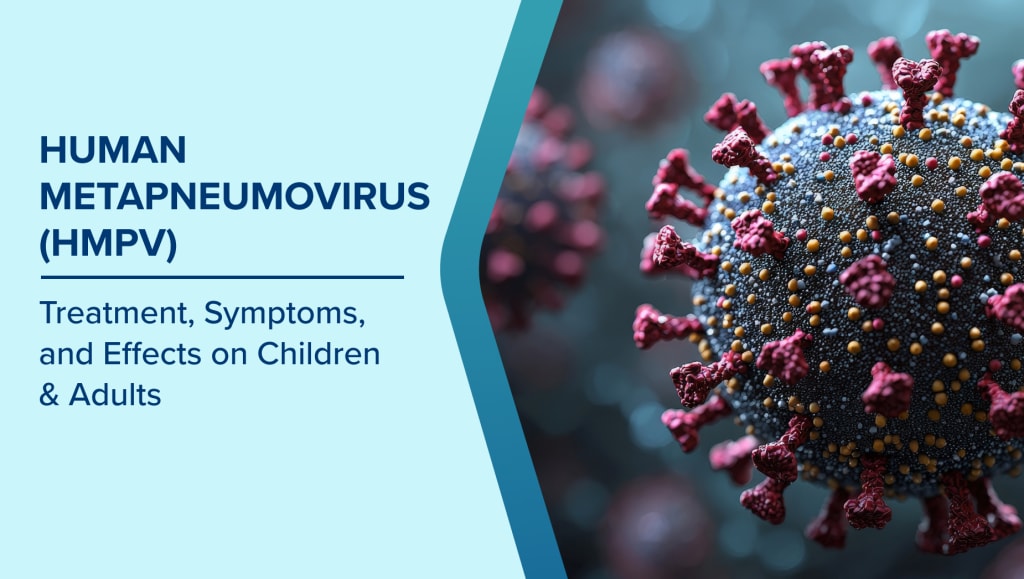
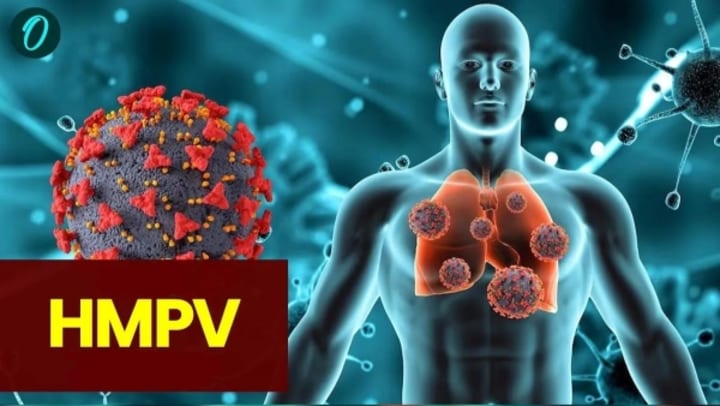
Human Metapneumovirus (HMPV) is a respiratory virus that belongs to the same family as respiratory syncytial virus (RSV) and parainfluenza viruses. It primarily affects the respiratory tract, leading to symptoms ranging from mild to severe. While it often resembles a common cold, HMPV can lead to serious complications such as bronchiolitis and pneumonia, particularly in vulnerable populations like young children, the elderly, and immunocompromised individuals.
Symptoms of HMPV
The symptoms of HMPV are similar to other respiratory illnesses and may include:
Cough
Nasal congestion
Shortness of breath
Fever
Sore throat
Wheezing in severe cases
In most individuals, symptoms resolve within a week or two. However, those with underlying health conditions may experience prolonged or more severe illness.
HMPV in the USA: Current Trends
HMPV has been a significant contributor to respiratory infections during the winter and spring months in the U.S. According to the Centers for Disease Control and Prevention (CDC), recent surveillance data indicates an uptick in HMPV cases in certain regions. While it is not classified as a pandemic threat, the increase in cases has drawn attention, especially as respiratory viruses like COVID-19 and influenza continue to circulate.
The virus primarily spreads through:
Respiratory droplets: When an infected person sneezes or coughs.
Surface contact: Touching contaminated surfaces and then touching the face.
At-Risk Populations
Children under five years old: Especially infants, due to underdeveloped immune systems.
Elderly individuals: Particularly those with chronic respiratory or cardiac conditions.
Immunocompromised persons: Such as cancer patients or individuals undergoing organ transplants.
Recent Developments
Increase in Hospitalizations: Pediatric wards have reported higher-than-usual cases of respiratory distress linked to HMPV in children. Similarly, nursing homes have observed outbreaks leading to respiratory complications in residents.
Enhanced Testing: Many healthcare facilities now include HMPV in routine respiratory virus panels, improving detection rates.
Global Implications: With increased travel and global mobility, monitoring HMPV trends has become essential to prevent large-scale outbreaks.
Prevention and Management
Currently, there is no specific vaccine or antiviral treatment for HMPV. Preventive measures are critical to reducing its spread. These include:
Hand hygiene: Washing hands frequently with soap and water for at least 20 seconds.
Respiratory hygiene: Covering the mouth and nose when coughing or sneezing.
Surface cleaning: Disinfecting high-touch surfaces regularly.
Avoiding close contact: Staying away from individuals showing symptoms of respiratory illness.
Masks: Using face masks in crowded or high-risk settings can provide added protection.
Treatment primarily involves supportive care:
Rest and hydration.
Over-the-counter medications for fever and pain relief.
Hospital care for severe cases requiring oxygen therapy or mechanical ventilation.
Future Directions
Vaccine Development: Researchers are working on vaccines targeting HMPV, with a focus on high-risk groups.
Public Health Awareness: Increased education campaigns aim to inform the public about HMPV symptoms and prevention strategies.
Improved Diagnostics: Rapid tests are being developed to enable early detection and timely intervention.
Key Takeaways
While HMPV is not a new virus, its rising prevalence and impact on vulnerable populations highlight the need for vigilance. Understanding the virus's transmission, symptoms, and prevention is crucial in mitigating its effects. Public health authorities are monitoring the situation, and with advancements in diagnostics and vaccine research, the future holds promise for better management of HMPV outbreaks.

About the Creator
The Majesty of Jaguars: A Wildlife Icon
The Majesty of Jaguars: A Wildlife Icon The jaguar, one of the most iconic and elusive creatures of the animal kingdom, embodies the wild spirit of the rainforests and savannas it inhabits. As the third-largest cat in the world, following the tiger and the lion, the jaguar holds a special place in the hearts of wildlife enthusiasts and conservationists alike. This magnificent predator, known for its strength, agility, and striking beauty, has long been a symbol of power and mystery.
By Ryan Hill about a year ago in Photography


Comments
There are no comments for this story
Be the first to respond and start the conversation.