

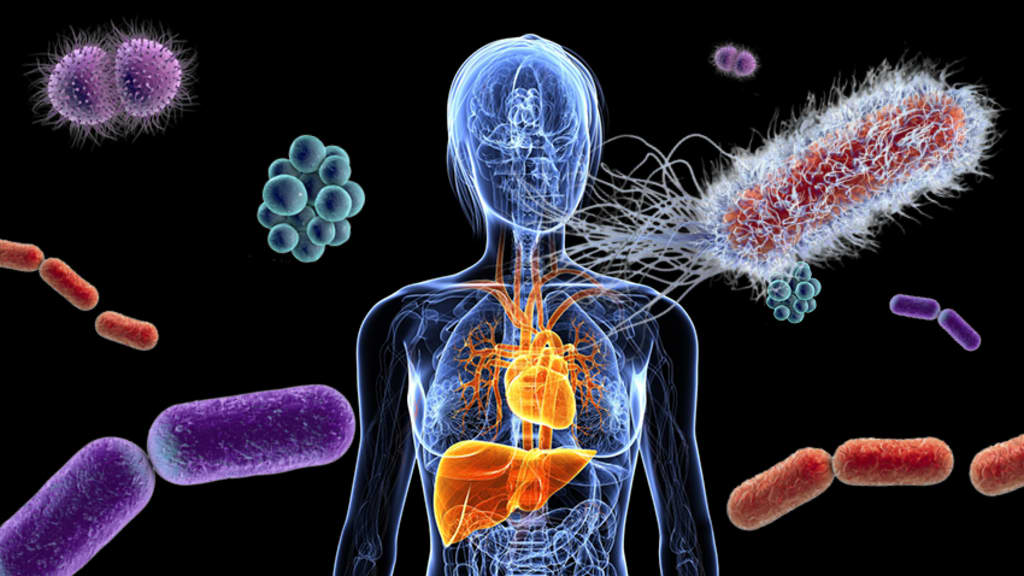
Human health refers to the overall well-being of an individual, encompassing physical, mental, and social aspects of their life. It is the state of being free from illness or injury and having the ability to function optimally in daily life. Maintaining good health is essential for a high quality of life and longevity.
Key aspects of human health include:
Physical Health: This refers to the condition of the body and its various systems. It involves factors such as fitness levels, nutrition, the absence of disease, and the proper functioning of organs.
Mental Health: Mental health is the psychological well-being of an individual. It includes emotional stability, cognitive function, the ability to cope with stress, and overall mental resilience.
Social Health: Social health focuses on an individual's interactions and relationships with others. Having a supportive social network and maintaining healthy relationships contribute to social well-being.
Environmental Health: Environmental factors play a significant role in human health. This aspect of health considers how the physical environment, including air, water, and living conditions, can impact human well-being.
Behavioral Health: This aspect involves lifestyle choices and behaviors that can influence health outcomes, such as exercising regularly, avoiding tobacco and excessive alcohol consumption, and practicing safe behaviors.Preventive Health: Preventive measures, such as vaccinations, regular health check-ups, and screenings, are crucial in identifying and addressing potential health issues early, promoting overall well-being.
Access to Healthcare: Access to quality healthcare services is fundamental to human health. Adequate medical care and timely treatments can prevent, manage, or cure various illnesses and conditions.
Health Education: Educating individuals about health-related matters empowers them to make informed decisions and adopt healthier lifestyles.
Genetic Factors: Genetic predispositions can influence an individual's susceptibility to certain diseases and conditions.
It's important to recognize that health is a dynamic and multifaceted concept. Achieving and maintaining good health is an ongoing process that requires attention to various aspects of one's life. A holistic approach to health that addresses physical, mental, and social well-being is crucial for leading a fulfilling and healthy life.Improving human health involves a combination of factors, including maintaining a healthy lifestyle, accessing proper medical care, and addressing social and environmental determinants of health. Here are some key areas to focus on:
Healthy Diet: Encourage a balanced diet rich in fruits, vegetables, whole grains, lean proteins, and healthy fats. Limit the consumption of processed foods, sugary beverages, and excessive salt intake. Proper nutrition supports overall health and can prevent chronic diseases.
Regular Exercise: Promote physical activity in daily life, such as walking, running, cycling, or participating in sports. Regular exercise helps maintain a healthy weight, supports cardiovascular health, and improves mood and mental well-being.
Adequate Sleep: Ensure that individuals get enough quality sleep. Sleep is essential for physical and mental recovery, immune function, and cognitive performance.
Stress Management: Chronic stress can negatively impact health. Encourage stress-reducing activities such as mindfulness, meditation, yoga, or spending time in nature.
Avoiding Harmful Substances: Discourage smoking, excessive alcohol consumption, and illicit drug use, as they can lead to numerous health problems.
Regular Medical Check-ups: Encourage people to visit healthcare professionals for regular check-ups and screenings. Early detection of health issues can lead to better outcomes.
Vaccinations: Promote vaccination programs to protect against preventable diseases and reduce the risk of outbreaks.Mental Health Support: Raise awareness about mental health and the importance of seeking help when needed. Mental well-being is crucial for overall health and productivity.
Clean Environment: Advocate for clean air and water, and minimize exposure to environmental pollutants that can impact health.
Education and Access to Healthcare: Improve access to healthcare services, particularly for underserved communities. Education on health-related matters empowers individuals to make informed decisions.
Community Support: Foster a sense of community and social support, as it can positively influence health outcomes.
Preventing Infectious Diseases: Promote good hygiene practices, such as handwashing, to prevent the spread of infectious diseases.
Health Literacy: Educate individuals about health-related information, enabling them to understand health risks and make informed decisions about their well-being.
Research and Innovation: Support medical research and the development of new treatments and technologies to address emerging health challenges.
Public Policy: Advocate for evidence-based public health policies that support healthy living and address broader social determinants of health.
Improving human health is a complex task that requires collaboration among individuals, communities, governments, and healthcare systems. It's about creating an environment that fosters healthy behaviors and provides the necessary resources for people to lead healthier lives.
About the Creator
Keep reading
More stories from Ahtesham Tariq and writers in Humans and other communities.
Autonomy Is The Real Privilege
Good morning, freedom-seekers! Today we’re gonna be looking at autonomy. A strange word, I know; one many would probably look at blankly and run away from on sight. We’re gonna figure out what it actually means, consider how it’s achieved, and decipher just how deeply most of us are tangled up in dependence without realising it.
By That ‘Freedom’ Guy3 days ago in Humans
The Day I Realized I Was Living Someone Else’s Dream
I used to think exhaustion was normal. Not the kind that goes away after a good night’s sleep, but the deeper kind. The kind that settles into your bones and whispers, “Something is wrong,” even when everything looks right on paper.
By HazelnutLattea7 days ago in Humans
Smart phones, Humans and Aliens.
WARNING. I will be tapping into one of your favorite creative tensions: The absurdity of humans worshipping their glowing rectangles as if they were tiny oracles. There’s something deliciously poetic about that contradiction, and it lends itself beautifully to an instructive proviso.
By Novel Allen7 days ago in Poets



Comments (1)
nice