
“How to Manage Your Stress : Use mindfulness or meditation techniques.“
are powerful tools for managing stress, enhancing emotional well-being, and improving overall mental health.

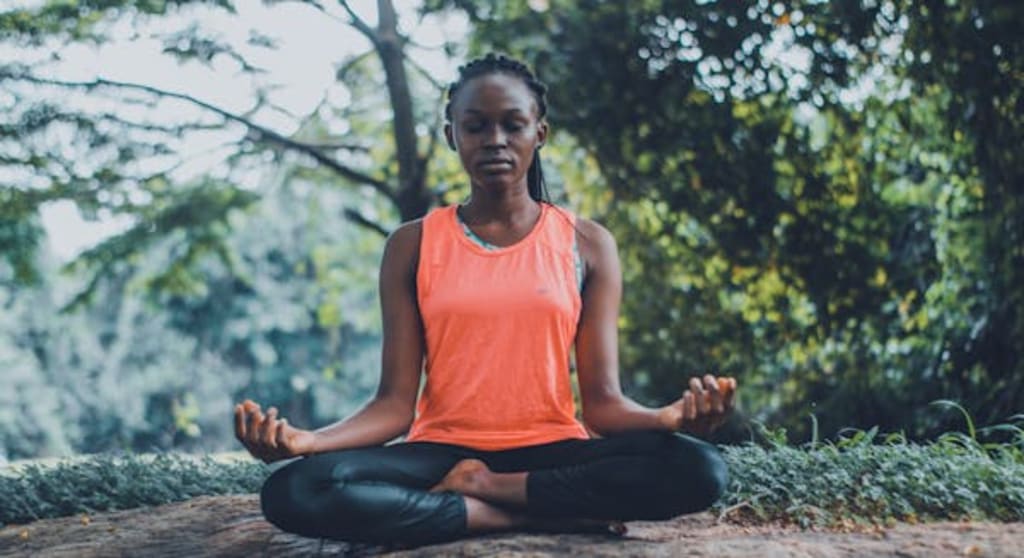
Mindfulness and meditation techniques are powerful tools for managing stress, enhancing emotional well-being, and improving overall mental health. These practices involve focusing on the present moment, cultivating awareness, and fostering a non-judgmental attitude toward your thoughts and feelings. Here's an in-depth exploration of the benefits of mindfulness and meditation, various techniques, and practical tips for incorporating these practices into your daily life.
Understanding Mindfulness and Meditation
Mindfulness is the practice of paying attention to the present moment with openness, curiosity, and acceptance. It involves observing your thoughts, emotions, and bodily sensations without judgment.
Meditation is a broader term that encompasses various techniques designed to cultivate mindfulness, concentration, and relaxation. Meditation practices can be guided or unguided and often involve focusing on a specific object, such as the breath, a mantra, or a visualization.
Benefits of Mindfulness and Meditation
Reduces Stress and Anxiety:
Mindfulness and meditation activate the parasympathetic nervous system, which helps counteract the stress response and promotes relaxation.
Improves Emotional Regulation:
These practices enhance your ability to observe and understand your emotions, leading to better emotional regulation and reduced reactivity.
Enhances Focus and Concentration:
Regular meditation improves attention span, cognitive flexibility, and the ability to stay present in the moment.
Promotes Better Sleep:
Mindfulness and meditation can improve sleep quality by calming the mind and reducing insomnia symptoms.
Boosts Immune Function:
Reduced stress levels from mindfulness and meditation can enhance immune function and overall physical health.
Increases Self-Awareness:
These practices foster greater self-awareness, helping you understand your thoughts, behaviors, and patterns more clearly.
Enhances Compassion and Empathy:
Mindfulness practices can increase feelings of compassion and empathy towards yourself and others, improving relationships and social connections.
Types of Mindfulness and Meditation Techniques
1. Mindfulness Meditation
How to Practice:
Find a quiet and comfortable place to sit or lie down.
Close your eyes and take a few deep breaths to center yourself.
Focus your attention on your breath, noticing the sensation of the air entering and leaving your nostrils or the rise and fall of your abdomen.
When your mind wanders, gently bring your focus back to your breath without judgment.
Practice for 10-20 minutes, gradually increasing the duration as you become more comfortable.
Tips:
Start with shorter sessions if you’re new to meditation and gradually increase the length.
Use guided mindfulness meditation recordings or apps if you need support.
2. Body Scan Meditation
How to Practice:
Lie down in a comfortable position and close your eyes.
Take a few deep breaths to relax your body.
Begin by focusing your attention on your toes, noticing any sensations, tension, or relaxation.
Slowly move your attention upward through your body, part by part, until you reach the top of your head.
Take your time with each body part, observing without judgment.
Finish the practice by taking a few deep breaths and gently bringing your awareness back to the present moment.
Tips:
This practice can be particularly effective for releasing physical tension and promoting relaxation.
Use a guided body scan meditation if you need help staying focused.
3. Loving-Kindness Meditation (Metta)
How to Practice:
Sit comfortably with your eyes closed and take a few deep breaths.
Begin by directing loving-kindness towards yourself, silently repeating phrases such as “May I be happy, may I be healthy, may I be safe, may I live with ease.”
Gradually extend these wishes to others, starting with loved ones, then acquaintances, and finally all beings.
Spend a few moments with each group, silently repeating the loving-kindness phrases.
Finish by taking a few deep breaths and gently opening your eyes.
Tips:
Use specific phrases that resonate with you and feel meaningful.
Practice regularly to cultivate a sense of compassion and connection.
4. Walking Meditation
How to Practice:
Find a quiet place where you can walk slowly and undisturbed.
Stand still for a moment, taking a few deep breaths to center yourself.
Begin walking slowly, paying attention to the sensation of your feet touching the ground and the movement of your legs.
Coordinate your breath with your steps, such as taking a breath with each step or every few steps.
Focus on the physical sensations of walking and the rhythm of your breath.
Practice for 10-20 minutes, gradually increasing the duration as you become more comfortable.
Tips:
Walking meditation can be done indoors or outdoors.
Use this practice as a mindful break during your day, especially if you have a sedentary lifestyle.
5. Mantra Meditation
How to Practice:
Sit comfortably with your back straight and eyes closed.
Choose a word, phrase, or sound (mantra) that feels calming and meaningful to you.
Begin repeating the mantra silently or aloud, focusing your attention on the sound and rhythm.
When your mind wanders, gently bring your focus back to the mantra.
Practice for 10-20 minutes, gradually increasing the duration as you become more comfortable.
Tips:
Choose a mantra that resonates with you and promotes a sense of peace.
Use guided mantra meditation recordings if you need support.
Incorporating Mindfulness and Meditation into Daily Life
Create a Routine:
Set aside specific times each day for mindfulness or meditation practice, such as first thing in the morning or before bed.
Start Small:
Begin with short sessions (5-10 minutes) and gradually increase the duration as you become more comfortable.
Use Guided Resources:
Utilize guided meditation apps, recordings, or classes to support your practice and keep you motivated.
Practice Informally:
Integrate mindfulness into everyday activities, such as mindful eating, mindful walking, or mindful listening.
Join a Community:
Join a meditation group or class to connect with others, share experiences, and receive support.
Be Patient and Consistent:
Remember that mindfulness and meditation are skills that develop over time with consistent practice. Be patient with yourself and keep a regular practice.
Overcoming Common Challenges
Difficulty Focusing:
If you find it hard to focus, try shorter sessions, use guided meditations, or focus on different objects (e.g., breath, sounds, sensations).
Restlessness:
If you feel restless, incorporate physical movement such as walking meditation or gentle yoga before sitting meditation.
Doubt and Frustration:
If you experience doubt or frustration, remind yourself that mindfulness and meditation are practices that evolve over time. Be kind to yourself and approach the practice with curiosity.
Making Time:
If you struggle to find time, integrate mindfulness into your daily routine (e.g., mindful breathing during commutes, mindful eating at meals).
Conclusion
Using mindfulness and meditation techniques can significantly enhance your mental and emotional well-being, reduce stress, and improve overall quality of life. By incorporating practices such as mindfulness meditation, body scan meditation, loving-kindness meditation, walking meditation, and mantra meditation into your routine, you can develop greater self-awareness, emotional regulation, and resilience. Start small, be consistent, and explore different techniques to find what works best for you. With regular practice, mindfulness and meditation can become invaluable tools for living a balanced and fulfilling life.
About the Creator
Donkodech Hahngeh
Hello everyone, I hope that all the articles will be useful for all readers.
Keep reading
More stories from Donkodech Hahngeh and writers in Humans and other communities.
“How to Manage Your Stress : Engage in regular physical exercise.”
Engaging in regular physical exercise is one of the most beneficial practices for improving overall health, reducing stress, and enhancing mental well-being. Whether you’re aiming to increase your fitness level, manage stress, or improve your mood, incorporating regular exercise into your routine can have profound and lasting impacts. Here’s an in-depth look at the benefits of regular physical exercise, different types of exercises, and practical tips for maintaining a consistent exercise routine.
By Donkodech Hahngeh2 years ago in Humans
Time to change your life.
Is it even possible for you to change your life? A lot of people, more than there should be, are unhappy with their lives. But what are they doing about it? Usually nothing. People talk about how shitty their lives are and want change, but are they not taking the actions to change?
By Jen Phillipsa day ago in Humans
Killing him slowly
There’s an intruder in my house again. He stumbles through the door, wet carrier bags in hand. He’s bought me offerings. I show my appreciation, letting him caress my beautiful body. He wants to touch me. I rub myself against his legs. He sighs, dropping the bags. He can’t resist touching me. Running his hand slowly down my spine, I arch my back towards his caress, let out a low purr. It’s what we both need.
By N J Delmas5 days ago in Horror



Comments
There are no comments for this story
Be the first to respond and start the conversation.