
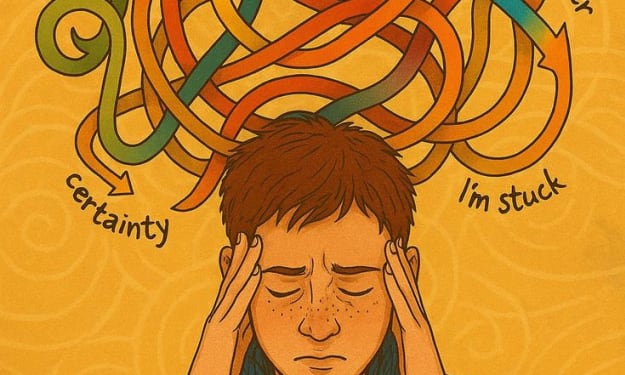
“How to Manage Your Stress : Practice deep breathing exercises.”
is a simple yet powerful way to manage stress, enhance relaxation, and improve overall well-being.


Practicing deep breathing exercises is a simple yet powerful way to manage stress, enhance relaxation, and improve overall well-being. These exercises can be done anywhere and at any time, making them an accessible tool for anyone looking to reduce anxiety and promote calm. Here's an in-depth guide on the benefits of deep breathing, various techniques, and how to incorporate them into your daily life.
Understanding Deep Breathing :
Deep breathing, also known as diaphragmatic or abdominal breathing, involves breathing deeply into the lungs by engaging the diaphragm. This contrasts with shallow breathing, which typically involves only the chest. Deep breathing maximizes oxygen intake and encourages full oxygen exchange, which can help calm the nervous system and reduce stress.
Benefits of Deep Breathing
Reduces Stress and Anxiety: Deep breathing activates the parasympathetic nervous system, which counteracts the stress-induced fight-or-flight response, promoting relaxation and calm.
Improves Mental Clarity: Increased oxygen supply to the brain enhances cognitive function, focus, and mental clarity.
Lowers Blood Pressure: Deep breathing helps relax blood vessels, leading to lower blood pressure and improved heart health.
Enhances Emotional Regulation: By calming the nervous system, deep breathing helps regulate emotions, making it easier to handle stressful situations.
Promotes Better Sleep: Practicing deep breathing before bedtime can help relax the body and mind, leading to improved sleep quality.
Boosts Immune Function: Reduced stress levels from deep breathing can enhance immune function, making the body more resilient to illness.
Techniques for Deep Breathing Exercises
1. Diaphragmatic Breathing
How to Practice:
Find a comfortable sitting or lying position.
Place one hand on your chest and the other on your abdomen.
Inhale deeply through your nose, allowing your abdomen to rise while keeping your chest relatively still.
Exhale slowly through your mouth or nose, feeling your abdomen fall.
Repeat for 5-10 minutes, focusing on the rise and fall of your abdomen.
Tips:
Practice this exercise in a quiet environment to minimize distractions.
Start with shorter sessions and gradually increase the duration as you become more comfortable.
2. Box Breathing (Square Breathing)
How to Practice:
Sit comfortably with your back straight.
Inhale deeply through your nose for a count of four.
Hold your breath for a count of four.
Exhale slowly through your mouth for a count of four.
Hold your breath again for a count of four.
Repeat the cycle for 5-10 minutes.
Tips:
Use a mental image of a square to help visualize the breathing pattern.
Adjust the count duration to suit your comfort level, especially if you are new to deep breathing exercises.
3. 4-7-8 Breathing
How to Practice:
Sit or lie down comfortably.
Inhale quietly through your nose for a count of four.
Hold your breath for a count of seven.
Exhale completely through your mouth, making a whooshing sound, for a count of eight.
Repeat the cycle for 4-8 breaths, gradually increasing the number of repetitions as you become more comfortable.
Tips:
Practice this exercise twice a day to develop a routine.
This technique is particularly effective for calming the mind before sleep.
4. Alternate Nostril Breathing (Nadi Shodhana)
How to Practice:
Sit comfortably with your spine straight and shoulders relaxed.
Use your right thumb to close your right nostril.
Inhale deeply through your left nostril.
Close your left nostril with your right ring finger and release your right nostril.
Exhale slowly through your right nostril.
Inhale deeply through your right nostril.
Close your right nostril and release your left nostril.
Exhale slowly through your left nostril.
Repeat the cycle for 5-10 minutes.
Tips:
Focus on smooth, steady breaths and maintain a relaxed posture.
This technique is known for balancing the left and right hemispheres of the brain, promoting mental clarity and calm.
5. Pursed Lip Breathing
How to Practice:
Sit or lie down in a comfortable position.
Inhale deeply through your nose for a count of two.
Pucker your lips as if you were going to whistle.
Exhale slowly and gently through your pursed lips for a count of four.
Repeat the cycle for 5-10 minutes.
Tips:
Practice this technique during physical activity to improve breathing efficiency and reduce shortness of breath.
Focus on making your exhalation twice as long as your inhalation.
Incorporating Deep Breathing into Daily Life
Morning Routine: Start your day with a few minutes of deep breathing to set a calm and focused tone for the day ahead.
Breaks at Work: Take short deep breathing breaks throughout your workday to reduce stress and increase productivity.
Pre-Sleep Ritual: Incorporate deep breathing exercises into your bedtime routine to promote relaxation and improve sleep quality.
During Stressful Moments: Use deep breathing techniques to manage immediate stress or anxiety, helping to regain composure and clarity.
Mindful Transitions: Practice deep breathing when transitioning between different activities or environments to maintain a sense of calm.
Overcoming Challenges in Deep Breathing Practice
Difficulty Focusing: If you find it hard to focus, start with shorter sessions and gradually increase the duration. Using guided breathing apps or recordings can also help maintain focus.
Feeling Lightheaded: If you feel lightheaded, slow down your breathing and ensure you are not over-breathing. Take breaks as needed.
Establishing a Routine: Set reminders or schedule specific times for practice to help make deep breathing a regular part of your routine.
Conclusion
Practicing deep breathing exercises is a simple yet highly effective way to manage stress, improve mental and physical health, and enhance overall well-being. By incorporating these techniques into your daily life, you can develop a valuable tool for relaxation and emotional regulation. Whether you choose diaphragmatic breathing, box breathing, or any other method, the key is to practice consistently and mindfully to reap the full benefits of deep breathing.
About the Creator
Donkodech Hahngeh
Hello everyone, I hope that all the articles will be useful for all readers.
Keep reading
More stories from Donkodech Hahngeh and writers in Humans and other communities.
“How to Manage Your Stress : Explore different relaxation therapies.“
Exploring different relaxation therapies can be an effective way to manage stress, improve mental and physical health, and enhance overall well-being. These therapies encompass a variety of techniques designed to help you relax, reduce tension, and achieve a state of calm.
By Donkodech Hahngeh2 years ago in Humans
Cabin Fever Because of Snow, Sleet, and Freezing Rain That Turned to Icy Roads
What Is Cabin Fever? The short answer is that cabin fever is restlessness from being in a confined area. Cabin fever is the distressing irritability or restlessness experienced when a person or group is stuck at an isolated location or in confined quarters for an extended time. Research shows that prolonged cold, gray skies, and being stuck indoors can trigger mood shifts similar to “winter blues.”
By Margaret Minnicksa day ago in Humans



Comments
There are no comments for this story
Be the first to respond and start the conversation.