
How to Manage Loneliness in Long-Distance Relationships
Explore effective strategies to cope with loneliness and strengthen your bond despite the distance.

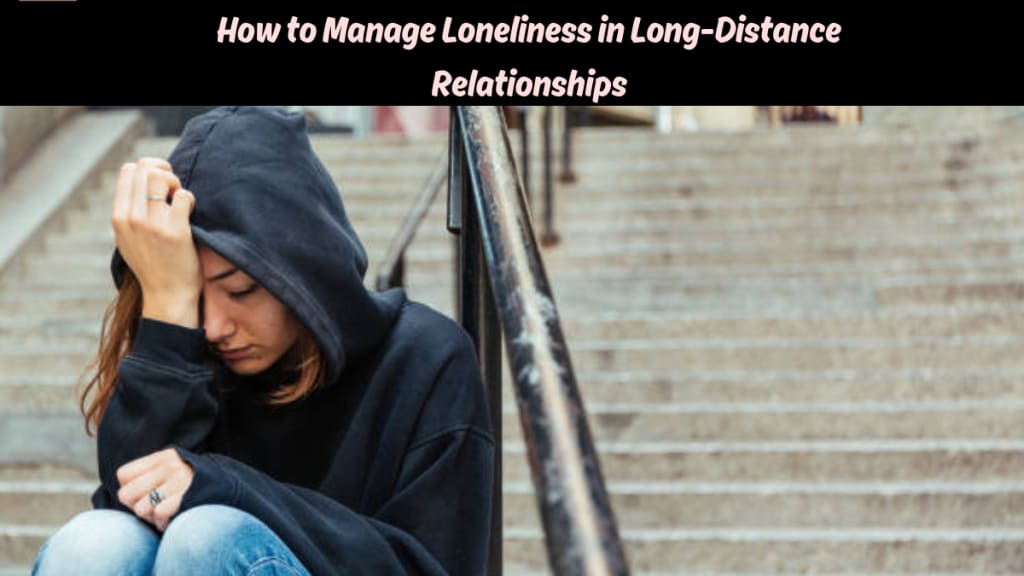
Long-distance relationships (LDRs) can be both fulfilling and challenging. While the emotional connection can thrive, the physical distance often leads to feelings of loneliness and isolation. Understanding how to manage these feelings is crucial for the health of the relationship. In this article, we’ll explore effective strategies to cope with loneliness in long-distance relationships, ensuring that love and connection endure despite the miles.
Understanding Loneliness in Long-Distance Relationships
1. The Nature of Loneliness
Loneliness is a complex emotional experience characterized by feelings of isolation and disconnection. In long-distance relationships, partners often feel lonely due to:
- Physical Absence: The inability to be physically present can lead to a sense of emptiness.
- Limited Interaction: Communication may not always fill the emotional void, especially if it lacks depth or frequency.
- Unmet Needs: Emotional and physical needs may go unmet, leading to frustration and sadness.
2. Common Causes of Loneliness in LDRs
Several factors can contribute to feelings of loneliness:
- Communication Gaps: Time zone differences and busy schedules can hinder regular communication.
- Life Changes: Personal developments, such as new jobs or friendships, can create a sense of disconnect.
- Lack of Shared Experiences: Being apart can lead to feelings of missing out on each other’s lives.

Strategies for Managing Loneliness in Long-Distance Relationships
1. Establish Regular Communication
Consistent and meaningful communication is essential for maintaining emotional closeness. Here’s how to enhance communication:
- Set a Schedule: Establish regular check-ins, whether daily or weekly. This creates a routine that partners can rely on.
- Use Various Platforms: Utilize texting, voice calls, and video chats to keep conversations fresh and engaging. Each platform offers a different level of intimacy.
- Engage in Deep Conversations: Move beyond small talk. Discuss feelings, dreams, and experiences to foster a deeper connection.
2. Foster Emotional Intimacy
Building emotional intimacy is crucial for managing loneliness. Consider these strategies:
- Share Personal Stories: Open up about your life experiences, fears, and aspirations. This vulnerability encourages your partner to do the same.
- Express Affection: Regularly tell your partner how much you care. Simple affirmations can significantly enhance emotional connection.
- Create Rituals: Establish small rituals, like sending a good morning text or sharing a nightly recap of your day. These routines can foster a sense of togetherness.

3. Embrace Technology to Stay Connected
Modern technology offers various tools to bridge the gap in long-distance relationships. Here are some ways to leverage it:
- Video Calls: Use video conferencing platforms like Zoom or FaceTime to have face-to-face conversations. Seeing each other’s expressions can enhance intimacy.
- Online Games and Activities: Engage in multiplayer games or watch movies together through streaming services. Shared activities can create a sense of normalcy.
- Social Media: Share updates about your life through social media. This helps your partner feel included in your daily experiences.
4. Focus on Personal Growth
Investing time in personal growth can help alleviate feelings of loneliness. Here’s how:
- Pursue Hobbies: Engage in activities you enjoy or explore new interests. This not only keeps you busy but also enriches your life.
- Set Personal Goals: Establish goals for self-improvement, whether in your career, education, or health. Achieving these goals can boost your confidence and happiness.
- Volunteer or Join Groups: Get involved in community activities or clubs. This expands your social circle and provides opportunities for connection.
5. Cultivate a Strong Support System
Having a network of supportive friends and family can help mitigate loneliness. Consider these tips:
- Reach Out: Don’t hesitate to share your feelings with friends or family. They can provide comfort and encouragement.
- Plan Social Activities: Organize outings or gatherings with friends. Spending time with others can help fill the emotional void.
- Join Support Groups: Consider joining online forums or support groups for individuals in long-distance relationships. Sharing experiences can provide validation and understanding.

6. Plan Visits
Whenever possible, plan visits to see each other in person. Here’s how to make the most of these visits:
- Create Exciting Itineraries: Plan fun activities or outings to make the most of your time together. This can enhance the quality of your visits.
- Focus on Quality Time: During visits, prioritize quality time over quantity. Engage in meaningful conversations and experiences.
- Capture Memories: Take photos and create memories together. These tangible reminders can help you feel connected when apart.
7. Establish Future Goals Together
Having shared goals can provide direction and purpose in the relationship. Here’s how to set and work towards those goals:
- Discuss Future Plans: Talk about your long-term vision for the relationship, including plans to eventually close the distance.
- Create Milestones: Establish milestones, such as future visits or personal achievements, that you can look forward to together.
- Support Each Other’s Aspirations: Encourage each other to pursue individual goals and celebrate achievements. This mutual support strengthens your bond.
8. Practice Self-Care
Taking care of your mental and emotional well-being is vital for managing loneliness. Consider these self-care strategies:
- Stay Active: Engage in regular physical activity, whether through exercise, walking, or sports. Physical health can positively impact mental well-being.
- Mindfulness and Relaxation: Practice mindfulness, meditation, or yoga to help manage stress and anxiety. These techniques can enhance your mood and emotional resilience.
- Prioritize Sleep and Nutrition: Ensure you’re getting enough rest and maintaining a balanced diet. Physical health plays a crucial role in emotional well-being.

9. Be Open About Your Feelings
Don’t shy away from discussing feelings of loneliness with your partner. Here’s how to approach the conversation:
- Choose the Right Time: Find a suitable time for both of you to discuss your feelings. Avoid bringing it up during stressful moments.
- Use “I” Statements: Communicate how you feel without placing blame. For example, say “I feel lonely when we don’t talk as much” instead of “You never call me.”
- Invite Their Perspective: Encourage your partner to share their feelings as well. This fosters mutual understanding and support.
10. Seek Professional Support if Needed
If feelings of loneliness become overwhelming, consider seeking professional help. Here’s how therapy can help:
- Talk Therapy: Speaking with a therapist can provide a safe space to explore your feelings and develop coping strategies.
- Couples Therapy: If both partners are struggling, couples therapy can facilitate communication and strengthen the relationship.
- Support Groups: Joining a support group for individuals in long-distance relationships can provide validation and understanding.
Conclusion
Managing loneliness in a long-distance relationship requires intentional effort and communication. By establishing regular communication, fostering emotional intimacy, and focusing on personal growth, couples can navigate the challenges of distance while maintaining a strong bond.
Key Takeaways
- Regular communication is essential for emotional connection.
- Personal growth and self-care can alleviate feelings of loneliness.
- Open discussions about feelings foster mutual understanding and support.
By implementing these strategies, you can effectively manage loneliness and cultivate a loving, resilient long-distance relationship that thrives despite the miles.
Special Thanks Note
I would like to extend my heartfelt thanks to Unsplash and Pexel for providing such an incredible collection of high-quality images that enhanced this article. Your platform has made it easy for creators like me to find stunning visuals that perfectly complement our work. The generosity of talented photographers sharing their art helps inspire and elevate content, making it more engaging for readers. Thank you, Unsplash, for your invaluable contribution to the creative community!
Join the conversation! Share your thoughts on the stages of romantic love in the comments below—your insights could help others! If you liked this post and want to read more love tips, please click here!
About the Creator
Abdul Jamil Nasir
Hello! I’m Abdul Jamil Nasir, a passionate writer exploring life, love, and culture. I focus on relationships, personal growth, and human emotions, believing in the power of words to inspire and connect with readers.
Keep reading
More stories from Abdul Jamil Nasir and writers in Humans and other communities.
Reunion Planning: Tips for a Successful Get-Together
Reunions can be a wonderful way to reconnect with friends, family, or colleagues after a significant time apart. Whether you're planning a family reunion, a school gathering, or a reunion with old friends, the key to a successful get-together lies in thoughtful planning and consideration of everyone’s needs. This article provides essential tips for organizing a memorable reunion that strengthens bonds and creates lasting memories.
By Abdul Jamil Nasirabout a year ago in Humans
Experienced Dating Partners Share Insights On Conflict Resolution And Trust Building
War is an inseparable aspect of any relationship, in particular, romantic relationships. Advanced dating couples realize that conflicts do not necessarily mean that they are failing but that they can learn. Differences in communication style, values or expectations are usually the source of conflicts. By understanding that conflicts will always arise, couples will be able to work around them instead of defending themselves.
By Mark Hipster7 days ago in Humans




Comments
There are no comments for this story
Be the first to respond and start the conversation.