
How to Create a Safe and Supportive Environment for Seniors at Home
Practical Tips and Strategies for Enhancing Senior Home Safety and Comfort

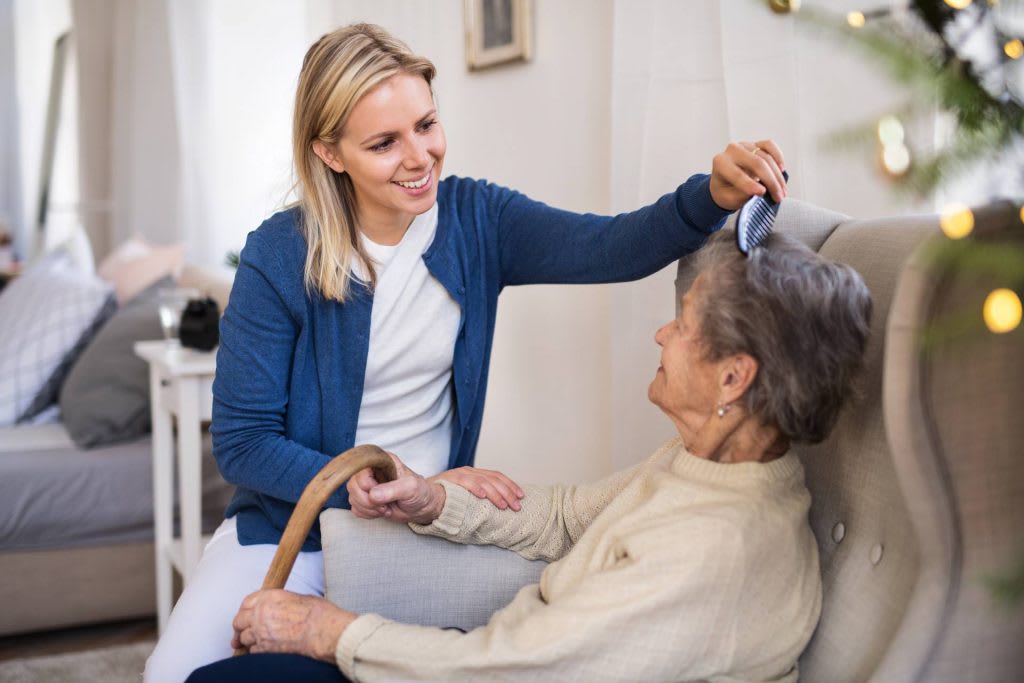
Ensuring that seniors can live comfortably and safely at home is a top priority for many families. As the aging population grows, more people are turning to senior home care to provide the necessary support for their loved ones. Creating a safe and supportive environment at home involves several aspects, including safety modifications, access to comprehensive care services, and providing emotional and social support.
Assessing and Modifying the Home Environment
Conduct a Home Safety Assessment
Start by conducting a thorough safety assessment of the home. Look for potential hazards such as loose rugs, slippery floors, poor lighting, and cluttered pathways. Addressing these issues can significantly reduce the risk of falls and injuries. Consider installing grab bars in the bathroom, handrails on stairs, and non-slip mats in high-risk areas.
Improve Lighting
Adequate lighting is essential for preventing accidents. Ensure that all areas of the home, especially hallways, stairs, and entryways, are well-lit. Use nightlights in bedrooms and bathrooms to help seniors navigate safely at night. Motion-sensor lights can be a practical addition, providing illumination only when needed.
Make Necessary Modifications
Home modifications can greatly enhance safety and accessibility. Consider widening doorways to accommodate walkers or wheelchairs, installing ramps, and adjusting the height of countertops and shelves. In the bathroom, a walk-in shower, raised toilet seat, and handheld showerhead can make daily routines easier and safer.
Providing Comprehensive Senior Home Care
Transitional Care Services
Transitional care services are crucial for seniors moving from hospital to home or from one care setting to another. These services help ensure a smooth transition, reducing the risk of complications and hospital readmissions. Transitional care services can include coordinating with healthcare professionals, managing medications, and setting up necessary home modifications.

Veterans Dementia Care
Veterans dementia care addresses the unique needs of veterans suffering from dementia. These services provide specialized support, understanding the specific health conditions and trauma-related issues that veterans may face. Veterans dementia care includes medical supervision, emotional support, and connection to veteran-specific resources and benefits, ensuring comprehensive care tailored to their needs.
Companion Care Services
Companion care services are an integral part of senior home care, offering emotional and social support. Companions engage seniors in meaningful activities, conversations, and hobbies, enhancing their cognitive function and emotional well-being. Whether it's playing games, reminiscing about the past, or taking a walk, these interactions can significantly improve the quality of life for seniors.
24-Hour Home Care for Dementia Patients
For seniors with advanced dementia, 24-hour home care for dementia patients is often necessary. This level of care ensures constant supervision and support, addressing the unique challenges of dementia. Caregivers provide assistance with daily activities, medication management, and behavioral support, ensuring the safety and comfort of dementia patients around the clock.

Emotional and Social Support
Encourage Social Interaction
Social isolation can have severe impacts on seniors' mental and emotional health. Encourage regular social interactions through family visits, community events, and social activities. Companion care services can also play a vital role in keeping seniors engaged and connected.
Provide Emotional Support
Emotional support is crucial for seniors, especially those dealing with health issues or the loss of independence. Be attentive to their emotional needs, offering a listening ear and reassurance. Professional counseling or support groups can also be beneficial for seniors and their caregivers.
Promote Independence
While providing support, it's essential to encourage seniors to maintain their independence as much as possible. Allow them to participate in daily activities and make decisions about their care. Promoting independence can boost their self-esteem and overall well-being.
Conclusion
Creating a safe and supportive environment for seniors at home involves a combination of safety modifications, comprehensive care services, and emotional and social support. By addressing these areas, you can enhance the quality of life for your loved ones, ensuring they live comfortably and securely.These services plays a crucial role in providing the necessary support for seniors to thrive at home. With the right approach and resources, you can create a nurturing environment that meets the unique needs of your senior family members.
About the Creator
Hearts for Dementia
Hearts For Dementia provides exceptional dementia care through a comprehensive Integrated Care Model. Our holistic approach enriches lives, tailored to the unique needs of those with dementia and their caregivers.
Keep reading
More stories from Hearts for Dementia and writers in Humans and other communities.
A Look at Mental Health Care Options in Phoenix and Scottsdale
Mental health is a crucial part of overall well-being, yet it’s often overlooked in the quest for good health. In cities like Phoenix and Scottsdale, residents are increasingly recognizing the importance of comprehensive mental health services. Whether you’re seeking support for anxiety, depression, trauma, or general wellness, understanding the options available can make a significant difference in finding the right care for you or a loved one.
By Hearts for Dementiaabout a year ago in Humans
Whiskey At Dusk
Guess the whiskey was more important to you in the end, wasn’t it? It was more than the well-being of your friends; more vital than showing up to the places you promised you would and could come to; more critical of a matter than fulfilling your damn responsibilities and getting the press off your back.
By Snarky Lisa2 days ago in Humans
I Simplified My Life. Stress Dropped Fast. Here Is How You Do It.
In today's hyper-connected, relentlessly demanding world, stress has become an unwelcome constant. We juggle careers, families, social lives, and a never-ending stream of information, often feeling overwhelmed and burned out. A few months ago, I found myself at that very breaking point. The constant hum of anxiety had become my normal, and I knew something had to change. That's when I decided to embark on a journey of simplification, and the results have been nothing short of transformative. My stress levels have plummeted, my energy has soared, and I've rediscovered a joy in the everyday that I thought I'd lost.
By Wilson Igbasi7 days ago in Humans


Comments
There are no comments for this story
Be the first to respond and start the conversation.