
HOW DO YOU MAINTAIN RESPECT DURING ARGUMENTS?
Keeping Calm and Listening:The Key to Respectful Disagreements.


Maintaining respect during arguments is a crucial skill for fostering healthy communication, building trust, and preventing conflicts from escalating. It requires self-awareness, empathy, patience, and a commitment to understanding the other person's perspective. Here’s how you can maintain respect during arguments:
Stay Calm and Controlled
One of the first steps in maintaining respect during an argument is managing your emotions. Arguments often trigger strong feelings like anger or frustration, but allowing these emotions to take over can lead to disrespectful behavior, such as shouting, name-calling, or personal attacks. Instead, take deep breaths, pause before responding, and avoid interrupting. When you remain calm, you’re more likely to speak thoughtfully and avoid escalating the situation.
Listen Actively
Active listening is key to respecting the other person's perspective. When you're in an argument, it's easy to focus on what you're going to say next rather than truly listening to the other person. However, actively listening shows that you value the other person's opinion, even if you disagree with it. This can involve making eye contact, nodding in acknowledgment, and asking clarifying questions when necessary. You may not always agree, but listening allows you to understand where the other person is coming from.
Avoid Personal Attacks
One of the quickest ways to lose respect in an argument is by making personal attacks. Criticizing someone’s character or questioning their motives rather than focusing on the issue at hand can cause the conversation to shift from constructive disagreement to emotional conflict. For example, saying things like "You're always so stupid" or "You never understand anything" undermines the argument and attacks the person's integrity. Instead, focus on discussing the issue itself and avoid belittling the other person.
Use "I" Statements Instead of "You" Statements
"I" statements are a way of communicating your feelings without blaming or accusing the other person. When you use "you" statements, such as "You never listen to me," it can feel like an attack. It often triggers defensiveness and escalates the argument. On the other hand, "I" statements are about expressing your feelings and experiences in a non-accusatory way. For example, saying "I feel unheard when I don’t get a chance to explain my side" is much more respectful than saying "You never let me talk."
Seek Common Ground
In an argument, it’s important to recognize areas of agreement, no matter how small. This can help both parties feel heard and respected. Acknowledging the other person’s valid points or finding mutual interests in the discussion can build trust and open the door to compromise. For example, if you’re arguing about household chores, you might agree that both of you want the house to be clean and organized, even if you disagree on how to achieve that.
Avoid Interrupting
Interrupting during an argument is a sign of disrespect, as it implies that what you have to say is more important than the other person's viewpoint. Let the other person finish their thoughts before you respond. It shows that you’re genuinely interested in understanding their perspective. If you find yourself struggling to wait your turn, you can make a mental note of your thoughts or write them down to address them after the other person has spoken.
Take a Break if Necessary
Sometimes, arguments can become heated, and emotions can cloud judgment. If you feel that you're losing control of your emotions or that the conversation is becoming too tense, it’s perfectly acceptable to take a break. Let the other person know that you need a few moments to collect your thoughts. This can prevent saying things you’ll later regret and give both parties a chance to calm down before continuing the conversation.
Apologize When Necessary
Respect also involves taking responsibility for your actions. If you realize you’ve said something hurtful or acted in a disrespectful way, it’s important to apologize sincerely. Acknowledging your mistakes shows maturity and respect for the other person’s feelings. A simple apology like “I’m sorry for raising my voice earlier. That wasn’t respectful” can go a long way in repairing the conversation and maintaining mutual respect.
Stay Solution-Oriented
Instead of focusing solely on the problem or the disagreement, strive to find solutions that work for both parties. This shows that your goal is not to “win” the argument but to address the issue in a respectful and constructive way. Ask yourself, “What can we do to resolve this?” Instead of lingering on past mistakes or blaming each other, keep the conversation forward-looking and positive.
Respect Differences of Opinion
Recognize that it’s okay to disagree. Not every argument has to end with both parties agreeing on the same thing. In fact, some of the most enriching conversations come from differences of opinion. The goal is not to convince the other person to think exactly like you, but to understand their perspective and express your own in a respectful manner. By showing respect for differing opinions, you allow space for growth and mutual understanding.
In The End
Maintaining respect during arguments is about more than just keeping your cool; it's about fostering an environment where both people feel heard, valued, and understood. By staying calm, listening actively, avoiding personal attacks, and focusing on solutions, you can Navigate disagreements without damaging your relationship. Respect in arguments is essential for building trust and ensuring that both parties feel empowered to voice their opinions, leading to healthier and more productive conversations.
About the Creator
Badhan Sen
Myself Badhan, I am a professional writer.I like to share some stories with my friends.
Keep reading
More stories from Badhan Sen and writers in Humans and other communities.
HUMAN ADAPTATION TO CHANGING ENVIRONMENTS
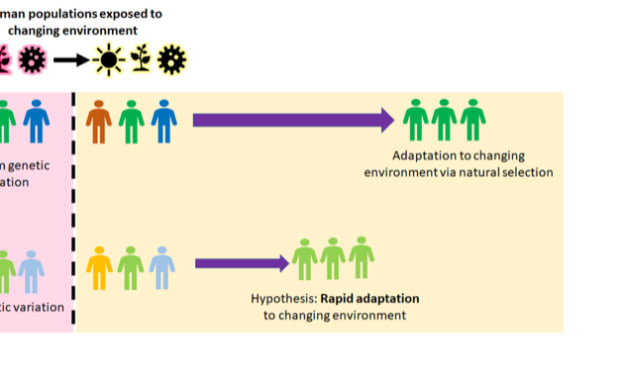
Human Adaptation to Changing Environments Human adaptation to changing environments has been an ongoing process throughout history. From the migration of early humans across continents to the development of agriculture, urbanization, and modern technologies, humans have demonstrated remarkable resilience and flexibility in responding to environmental changes. These adaptations, whether biological, cultural, or technological, have allowed humans to survive and thrive in diverse environments—from the coldest polar regions to the hottest deserts. However, with the increasing pace of environmental changes driven by factors such as climate change, urbanization, and resource depletion, the ability of humans to adapt to new challenges is being put to the test.
By Badhan Senabout a year ago in Humans
Autonomy Is The Real Privilege
Good morning, freedom-seekers! Today we’re gonna be looking at autonomy. A strange word, I know; one many would probably look at blankly and run away from on sight. We’re gonna figure out what it actually means, consider how it’s achieved, and decipher just how deeply most of us are tangled up in dependence without realising it.
By That ‘Freedom’ Guyabout 16 hours ago in Humans
5 Things to Know About Intensive Outpatient Care and How It Works
Intensive outpatient care has become an important treatment option for individuals seeking support for substance use or mental health challenges without entering residential treatment. This level of care offers structured therapy while allowing people to maintain daily responsibilities such as work, school, and family life.
By Jordan Blake7 days ago in Humans


Comments
There are no comments for this story
Be the first to respond and start the conversation.