
How Different Cultures Interpret and Embrace Spiritual Love
Explore how diverse cultures around the world understand, express, and embrace spiritual love through unique traditions, values, and sacred connections.

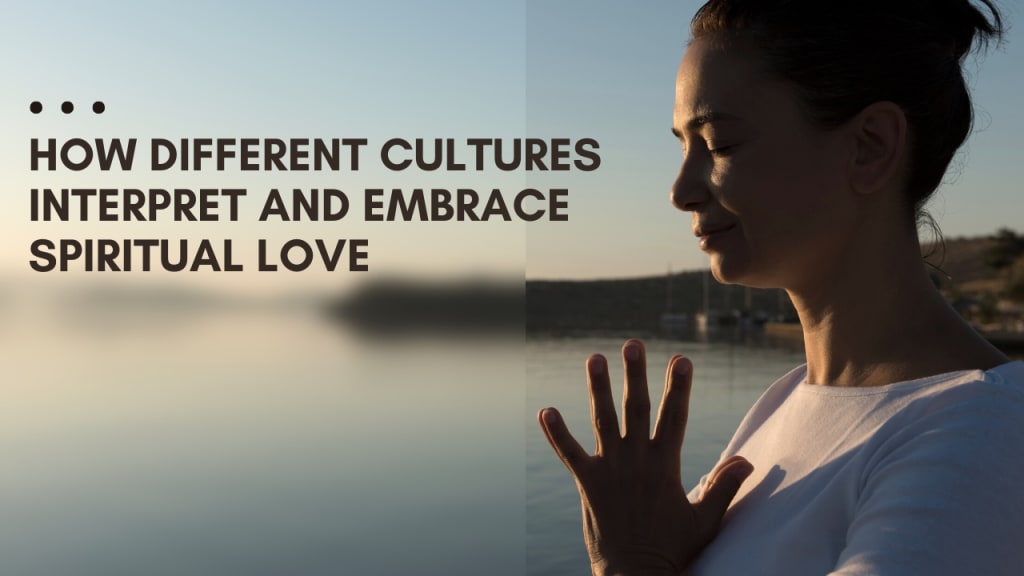
Spiritual love moves beyond the flowers, notes, and fleeting chemistry that often define romance. Rooted in mutual respect, profound understanding, and emotional harmony, it feels sacred and steady. Still, the way people recognize and practice this kind of love differs widely from one culture to the next. Traditions, stories, and small rituals in each setting colour the experience, showing how hearts everywhere long for a connection that reaches the soul.
From the Indian vision of divine union to the African sense of love as community glue, generations have framed this feeling in beautiful, varied forms. Such contrasts never pull humanity apart; they layer meaning onto the single, global story of deep affection. Learning about these angles brightens the broad emotional and spiritual terrain that love can travel across our world.
Eastern Wisdom: Love as a Path to Enlightenment
Across much of the East, spiritual love serves as a stepping stone toward higher awareness, not just a pleasant feeling. Hindu tradition paints it as a holy thread linking souls through one lifetime after another. Ideas like soulmates or twin flames spring from that view, hinting that the bond stretches far past the body. Buddhism, on a nearby path, calls true love compassion-the clear, unselfish energy that softens ego and attachment.
These traditions invite people to love not as a means of owning another, but as an act that frees both parties. In that process, boundaries soften and an awareness of shared existence begins to surface. When love is held with clarity and a light touch, it is thought to open the door to deeper calm and insight.
Western Interpretations: Love Through Faith and Purpose
Across much of the West, spiritual love shows itself through religious practice or a guiding sense of right conduct. Within Christianity, for instance, agape stands out-an unqualified, self-giving care that echoes the way divinity is said to embrace humanity. It appears in acts of service, moments of forgiveness, and the quiet promise to stay true. So called spiritual love in these circles is often anchored to God or to a cause that looms larger than the individual.
That view usually asks for sustained effort, willingness to let some easy pleasures slide, and an undercurrent of grace. Romantic attraction still matters, yet it is frequently framed as a smaller piece of a larger union blessed by heaven. Marriage then becomes more than a legal or sentimental deal; it is spoken of as a sacred bond. There, love gets tested by faith, measured by integrity, and counted over the long sweep of years.
Indigenous Teachings: Love as Connection to the Earth and Community
Across many Indigenous nations, the idea of spiritual love reaches far beyond the bond between two people. It stretches outward, weaving each person into the fabric of the land, ancestors, and the broader community. The Navajo, for example, understand love as the gentle order that makes the world feel whole-a living harmony they call Hózhó. Several African cultures echo that view, describing love as a shared song of unity in which everyone carries a piece of the others well-being.
Holding that view means seeing love as a sacred promise not only between humans but also between people, the earth, and what lies beyond sight. The focus then shifts to honoring every form of life, keeping balance steady, and remembering to be grateful at each turn. Because of that, spiritual love in these traditions is anything but theoretical; it shows up in daily gestures of respect, in acts of reciprocity, and in the gatherings where stories are offered, listened to, and sung back.
Love Through Rituals: How Sacred Acts Reinforce Connection
Around the globe, carefully held rituals become the heartbeat through which spiritual love is named and made stronger. In Japan the tea ceremony, for instance, moves slowly enough that each bow, each pour, and each shared cup speaks volumes about care and presence. That quiet dance of hands and eyes can carry an intimacy so deep it rarely needs words. In a Hindu wedding, flames circling and seven steps taken become more than a legal contract; they mark the start of a joint journey toward wisdom, patience, and light.
Acts of devotion routinely cross linguistic boundaries, rooting spiritual love in tangible deeds. They remind participants that love goes beyond emotion-private contentment-to visible actions marked by care and respect. When such sacred gestures occur, everyday relationships shift into profound spiritual ties that endure over time.
The Role of Ancestral Guidance in Love
Across numerous cultures, love is viewed as a process the living enter, yet one shaped by ancestors still present. Classical Chinese thought, for instance, links marital harmony directly to blessings that earlier generations bestow. Guardians of the household are honored in ritual so that coupling may proceed in balance with family and heaven.
Analogously, many African traditions teach that spirits of the forebears gently steer partners toward-or away from-arrangements. Love is seen as a thread in a broader lineage; approval from the past certifies that the bond is rightly aligned. Within these frameworks, discovering authentic affection becomes more than an individual quest-it expands into a shared, inter-temporal journey guided by ancestral wisdom.
Love Across Lifetimes: Reincarnation and Eternal Bonds
Many Eastern philosophies hold that profound spiritual love moves freely across the boundaries of time. The concept of reincarnation posits that certain souls find one another again and again, working through karmic lessons or honoring pre-arranged bonds. Framed this way, love becomes a winding journey rather than a single arrival. An encounter today might prove to be only a chapter in a far larger narrative spanning ages and worlds.
In Indian thought the term samskara is used to name the subtle impressions carried from one life into the next. When two people meet and feel an old familiarity, they may interpret this chemistry as the echo of a shared past. Such an outlook invests love with a sense of meaning, direction, and even the sacred.
The Silent Language of Spiritual Love
Not every tale of spiritual love is written in words. In many traditions a deep bond shows itself through attention, energy, and unspoken gestures. In Tibetan circles, love is nurtured through quiet compassion and side-by-side meditation. Steady eye contact, shared breath, or simple silence can say far more than a phrase. Here, affection is known before it is named.
This unspoken dialect favors feeling over appearance, letting lovers share intimacy even when no one else is watching. It gently reminds them that the strongest bonds sometimes need very little language at all. By paying attention to shifts in energy and emotion, they create a closeness that conversations alone cannot reach.
Final Thoughts
Spiritual love acts like an invisible current that runs through every community, yet the way people feel and honour it often varies because of customs, beliefs, and social styles. Whether through birth-and-rebirth ceremonies, whispered prayers, or formal vows, each tradition sketches its own picture of what it means to love at a soul level.
Learning about these different sketches does more than widen our minds-it quietly deepens our hearts, too. When we borrow insight from another way of loving, we tend to show up with greater respect, stillness, and intent. Gradually we realise that wherever we start, every heart knows how to read the same universal script of devotion.
About the Creator
Stella Johnson Love
✈️ Stella Johnson | Pilot
📍 Houston, TX
👩✈️ 3,500+ hours in the sky
🌎 Global traveler | Sky is my office
💪 Breaking barriers, one flight at a time
📸 Layovers & life at 35,000 ft
Keep reading
More stories from Stella Johnson Love and writers in Humans and other communities.
Spiritual Paths to Finding True Love and Deep Connection
In an age that prizes quick snapshots and curated success, a growing number of people yearn for love that echoes at a spiritual level. Today, real love is seen less in steamy moments or common hobbies and more in the quiet ways two hearts resonate, values line up, and something larger than matter draws them together. When partners look past the rush of chemistry to long-term harmony, they move from lids that just click to a deep, emotional pot that simmers slowly. That shift starts with an honest gaze inward before ever reaching out.
By Stella Johnson Love8 months ago in Humans
First Date Strategies Help Singles Build Rapport Trust And Connection
The first date should be prepared. The advantage of pre-reflection on the expectation, interests, and boundaries is beneficial to singles. Being aware of own goals in the date assists in steering the dialogue and actions as well as alleviating anxiety. Mental preparedness also enables people to come out themselves in the real sense and have the confidence to do so.
By Mark Hipster5 days ago in Humans
TUS NUA - ch 53
TUS NUA – ch 53 New Beginnings – Mia and Midnight (*)(*)(*) Finola knew Ali’s brother-in-law needed to put his mind at rest. She fed her arm through his and led him outside. “We’ll sit here. If you like, I can put a block around us so our conversation will be private.”
By Margaret Brennan6 days ago in Fiction



Comments
There are no comments for this story
Be the first to respond and start the conversation.