
How Body Language Affects Relationship Dynamics: Key Insights
Discover how body language shapes intimacy, trust, and communication in your romantic life.

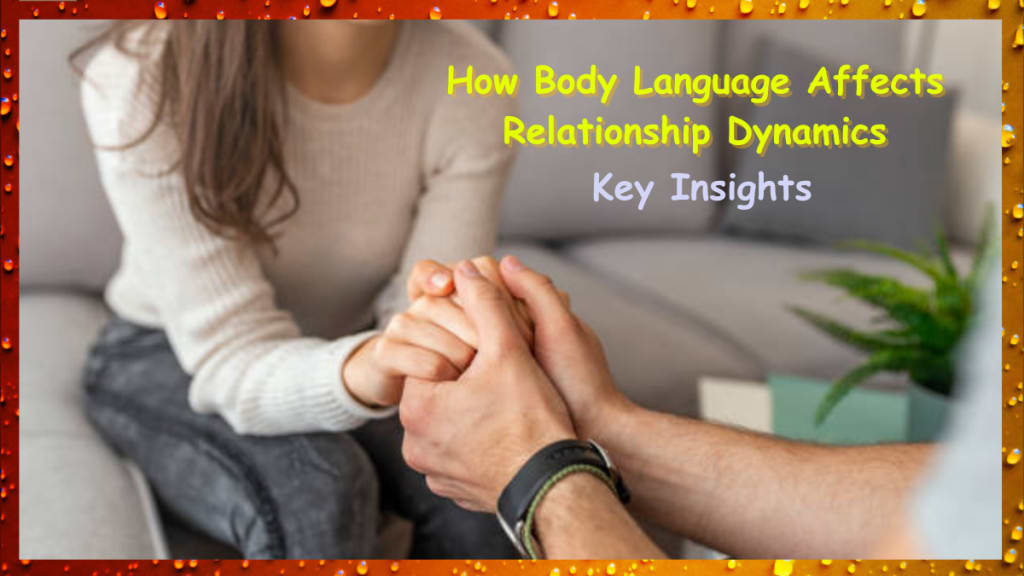
In the complex world of human relationships, body language plays a pivotal role in shaping interactions and emotions. It encompasses a range of non-verbal signals, including gestures, posture, facial expressions, and eye contact. Understanding body language is crucial for enhancing communication, fostering intimacy, and navigating conflicts in romantic relationships. This article delves into the impact of body language on relationship dynamics, offering key insights and practical tips for couples.
The Importance of Body Language in Relationships
1. What Is Body Language?
Body language refers to the non-verbal signals that individuals use to communicate. It includes movements of the body, facial expressions, posture, and even the tone of voice. Research suggests that a significant portion of communication—up to 93%—is conveyed through non-verbal means. In romantic relationships, being attuned to body language can enhance emotional understanding and strengthen connections.
2. How Body Language Influences Communication
Body language can complement, contradict, or even substitute verbal communication. It often provides context to spoken words, revealing underlying emotions and intentions. For instance, a partner might say, "I'm happy," while their crossed arms and averted gaze suggest otherwise. Recognizing these discrepancies can lead to more honest and open conversations.
3. Building Trust Through Body Language
Trust is a fundamental aspect of any relationship, and body language plays a significant role in establishing and maintaining it. When non-verbal signals align with verbal messages, it fosters a sense of authenticity and reliability. Conversely, mixed signals can create confusion and mistrust. Being aware of your own body language and ensuring it matches your words can strengthen trust in your relationship.

Key Elements of Body Language
1. Posture
Posture reflects confidence, openness, and engagement. An open posture—standing or sitting with uncrossed arms and legs—signals receptiveness and comfort. In contrast, a closed posture can indicate defensiveness or discomfort. Being aware of your posture and that of your partner can provide insights into emotional states and foster better communication.
2. Eye Contact
Eye contact is a powerful form of non-verbal communication. It can convey interest, affection, and sincerity. Maintaining eye contact during conversations fosters intimacy, while avoidance of eye contact may indicate insecurity or disconnection. Understanding the nuances of eye contact can enhance the emotional connection between partners.
3. Facial Expressions
Facial expressions are immediate indicators of emotional states. A smile can convey warmth and affection, while a frown might indicate sadness or frustration. Being attuned to your partner's facial expressions can help you respond more effectively to their feelings, promoting empathy and understanding.
4. Gestures
Gestures encompass movements of the hands, arms, and head that express thoughts or emotions. Open gestures, such as palms facing up, can indicate honesty and openness, while closed gestures, like crossing arms, may signal defensiveness. Using positive gestures can enhance communication and foster a supportive environment.
5. Proximity
Proximity refers to the physical distance between partners during interactions. Being physically close often indicates intimacy and comfort, while maintaining distance may suggest a desire for space or disconnection. Recognizing your partner's comfort level with proximity can help navigate emotional dynamics more effectively.

How Body Language Affects Relationship Dynamics
1. Enhancing Emotional Connection
Positive body language fosters emotional intimacy. When partners are physically close, maintain eye contact, and use open gestures, it creates an environment conducive to connection. Engaging in these non-verbal cues can enhance feelings of love and affection.
2. Navigating Conflict
During conflicts, body language can either escalate or de-escalate tensions. Open body language—such as leaning in and maintaining eye contact—signals a willingness to engage in dialogue and resolve differences. In contrast, closed body language—like crossed arms or avoiding eye contact—can escalate misunderstandings. Being mindful of body language during conflicts can facilitate healthier communication.
3. Building Affection and Trust
Consistent positive body language reinforces feelings of trust and affection. Simple gestures, like holding hands or gentle touches, can enhance emotional bonds. Conversely, negative body language—such as avoiding touch or displaying a closed posture—can create distance and erode trust. Being attentive to your partner's body language can help nurture a secure and loving environment.
4. Encouraging Open Communication
Body language can encourage or hinder open communication. Positive body language, such as nodding and maintaining an open posture, signals that you are engaged and receptive to what your partner is saying. Conversely, negative body language—such as looking away or crossing arms—can create barriers to effective communication. Practicing positive body language can foster a more open and supportive dialogue.

Practical Tips for Enhancing Body Language in Relationships
1. Be Mindful of Your Posture
Maintain an open and inviting posture during conversations. Avoid crossing your arms or legs, as this can signal defensiveness. Instead, try to lean slightly forward to show interest and engagement. Being aware of your posture can significantly impact how your partner perceives your emotional state.
2. Use Eye Contact Wisely
Aim for balanced eye contact during conversations to foster intimacy. While it's essential to maintain eye contact, be mindful of your partner's comfort level. If they seem uncomfortable, adjust your gaze accordingly. Eye contact can enhance connection, but it’s crucial to respect personal boundaries.
3. Observe Facial Expressions
Pay attention to your partner's facial expressions and try to respond empathetically. If you notice a frown or a look of concern, take a moment to check in with them. Acknowledging their feelings can foster emotional connection and demonstrate that you care.
4. Incorporate Positive Gestures
Use open and positive gestures to reinforce your messages. For example, uncross your arms and use hand movements to express enthusiasm. Positive gestures can create a more inviting and supportive atmosphere during conversations.
5. Respect Proximity Preferences
Be aware of your partner's comfort level with physical proximity. Some individuals may prefer more personal space, while others thrive on closeness. Discussing these preferences openly can help prevent misunderstandings and foster emotional safety.

Common Misunderstandings in Body Language
1. Misinterpreting Gestures
Gestures can vary widely in meaning across cultures and individuals. What might be a friendly gesture in one culture could be perceived as offensive in another. Always consider the context and cultural background when interpreting gestures.
2. Assuming Negative Intent
Sometimes, negative body language may not indicate discontent. A furrowed brow or a distant gaze could stem from concentration or fatigue rather than disinterest. It's essential to seek clarification rather than jumping to conclusions about your partner's feelings.
3. Overemphasizing Body Language
While body language is essential, it should be considered alongside verbal communication. Focusing solely on non-verbal cues without acknowledging spoken words can lead to misunderstandings. Strive for a balanced approach that incorporates both verbal and non-verbal signals.
Conclusion
Body language significantly impacts relationship dynamics, influencing emotional connection, trust, and communication. By understanding and interpreting body language, partners can enhance their interactions, navigate conflicts effectively, and foster intimacy. Being mindful of posture, eye contact, facial expressions, gestures, and proximity can create a more fulfilling and harmonious relationship.
Key Takeaways
Recognize the Importance: Body language plays a crucial role in conveying emotions and intentions.
Enhance Emotional Connection: Positive body language fosters intimacy and strengthens bonds.
Navigate Conflicts Mindfully: Use open body language to facilitate healthy communication during disagreements.
Practice Positive Gestures: Incorporate open gestures and eye contact to create a supportive environment.
Respect Individual Preferences: Discuss and respect your partner's comfort levels with body language cues.
By honing your skills in reading and utilizing body language, you can cultivate a deeper connection and a more satisfying relationship.
References:
1- https://tinyurl.com/4r83t3en
2- https://tinyurl.com/2xa3fkej
Special Thanks Note
I would like to extend my heartfelt thanks to Unsplash for providing such an incredible collection of high-quality images that enhanced this article. Your platform has made it easy for creators like me to find stunning visuals that perfectly complement our work. The generosity of talented photographers sharing their art helps inspire and elevate content, making it more engaging for readers. Thank you, Unsplash, for your invaluable contribution to the creative community!
About the Creator
Abdul Jamil Nasir
Hello! I’m Abdul Jamil Nasir, a passionate writer exploring life, love, and culture. I focus on relationships, personal growth, and human emotions, believing in the power of words to inspire and connect with readers.
Keep reading
More stories from Abdul Jamil Nasir and writers in Humans and other communities.
The Impact of Facial Expressions in Communication: A Relationship Guide
Facial expressions play a crucial role in communication, especially in romantic relationships. They are often the first indicators of feelings and intentions, conveying emotions that words sometimes fail to express. Understanding these expressions can significantly enhance how partners connect, resolve conflicts, and foster intimacy. In this article, we’ll explore the impact of facial expressions in communication, their significance in relationships, and practical tips for improving nonverbal communication skills.
By Abdul Jamil Nasirabout a year ago in Humans
I wanted to title this something different, but worried that my chosen title might cause problems entering the United States in the future so this is the new title. It's the greatest title. No one has ever written a title better than this. (All titles unrelated to content).
Let me be honest. I am finding this difficult. Now, I like a challenge, a stretch, a bit of an obstacle course. “Write about the decline of the British Empire in the form of a narrative poem in which your protagonist is an artichoke” I read, and flex my fingers. “Write a haiku to evoke the sensation of sibilance using only the first half of the alphabet.” “Well”, I think to myself, “this should be fun.” But “write about a system that isn’t working”? A system that isn’t working? Now? In 2026? ONE system? My favourite system that isn’t working? The sexiest system that isn’t working? The one giving me the most angst day to day? The one giving me the most existential dread? I am, as I say, finding this difficult. I will own that I have contemplated writing a thousand words on why the steady “all on” setting on my fairy lights is the EIGHTH of seven options which must be sequentially activated to get there, because that is a system that some fool came up with and it definitely doesn’t work, and now who is paying the price, eh? But how can I write about my fairy lights when…. When…. When….
By Hannah Moore11 days ago in Humans
10 Best Sites with Real Sugar Daddies That Pay for Conversation
Finding real sugar daddies that pay for conversation can be a transformative experience for those search for financial companionship without crossing personal boundaries. The landscape of modern relationships has evolved significantly, allowing individuals to connect over mutual interests, intellectual stimulation, and engaging dialogue. Many generous benefactors are genuinely interested in the companionship and mental stimulation provided by thoughtful conversations. Navigating this unique niche requires knowing exactly where to look, as not all platforms cater to this specific dynamic. Understanding the right digital spaces is essential to connect with affluent mentors who value your time and communication skills.
By Mark Hipster3 days ago in Humans



Comments
There are no comments for this story
Be the first to respond and start the conversation.