
How Artificial Intelligence is Revolutionizing Everyday Life
Benefits and Challenges of AI in Modern Society
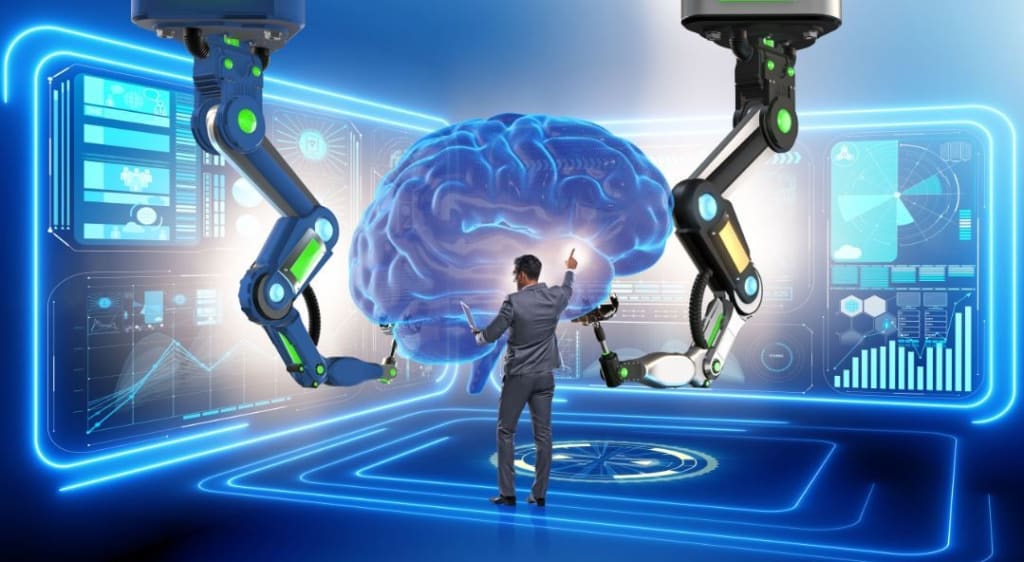
Artificial intelligence (AI) is no longer just a concept seen in science fiction; it has become a part of our everyday reality.
Today, AI has integrated seamlessly into our daily lives, influencing everything from the way we work to how we entertain ourselves. Whether we realize it or not, AI is making life more efficient, convenient, and in many cases, smarter.
In this article, we’ll explore how AI is used in various industries, the benefits it offers, the challenges it presents, and what the future holds for this rapidly growing technology.
AI in Our Daily Lives
AI technology is everywhere—from the virtual assistants we use on our smartphones to the recommendations we get on Netflix and YouTube. Here are some key areas where AI is impacting everyday activities:
1.Virtual Assistants Virtual assistants like Siri, Google Assistant, and Alexa have become indispensable in managing our daily tasks. They help us set reminders, play music, control smart home devices, and even order groceries—all through simple voice commands.
2.Healthcare AI has made significant strides in healthcare, enabling early disease detection, personalized treatment plans, and even robotic surgery. Machine learning algorithms are being used to analyze medical data and assist doctors in diagnosing diseases with greater accuracy.
3.Entertainment Streaming services like Netflix, Spotify, and YouTube rely on AI to curate personalized content recommendations. These algorithms learn from user behavior, creating custom playlists, movie suggestions, and much more to enhance the user experience.
4.Finance AI is transforming the finance industry by helping to detect fraudulent transactions, streamline banking operations, and provide personalized financial advice. Robo-advisors, for instance, are now being used to manage investment portfolios, making financial planning more accessible to everyone.
5.Education In the field of education, AI is being used to develop personalized learning experiences, where students can learn at their own pace. AI-powered tools can assess student performance and tailor lessons according to individual strengths and weaknesses.
Benefits of AI
The rise of AI brings numerous advantages that make our lives easier, more productive, and in some cases, more enjoyable:
1.Efficiency and Automation AI allows repetitive tasks to be automated, freeing up human workers for more complex and creative endeavors. In industries like manufacturing, AI-powered robots handle tasks with precision, reducing errors and speeding up production processes.
2.Personalization Whether it's a shopping recommendation on Amazon or a personalized workout plan on a fitness app, AI excels at tailoring experiences to meet individual needs. This level of personalization was previously impossible with traditional technology.
3.AI can analyze large amounts of data swiftly and with precision, helping professionals make more informed decisions. In fields like finance, healthcare, and marketing, AI helps professionals make better decisions based on data-driven insights. This has led to more efficient business practices and better outcomes in healthcare and other sectors.
Challenges and Concerns
Despite its numerous benefits, the rise of AI also brings some challenges and concerns that need to be addressed:
1.Job Displacement As AI continues to automate tasks, there is growing concern that it could replace jobs in certain industries, particularly in manufacturing and administrative roles. While AI creates new opportunities, there is a need for re-skilling and upskilling workers to prepare them for the AI-driven economy.
2.Privacy Concerns: AI typically depends on large quantities of personal data to operate efficiently, leading to worries regarding the methods of data collection, storage, and utilization. There have been increasing calls for stronger data protection laws to ensure that AI systems respect privacy and prevent misuse of personal information.
3.Ethical Dilemmas As AI grows more sophisticated, ethical questions arise. Should AI be allowed to make critical decisions in areas like healthcare or law enforcement? How do we ensure that AI systems remain free of bias and discrimination? These are complex issues that need to be carefully managed as AI continues to evolve.
The Future of AI
Below are several fields in which AI is anticipated to achieve remarkable progress:
1.Self-Driving Cars AI-powered autonomous vehicles are already being tested on roads around the world. While fully autonomous cars aren’t mainstream yet, experts believe that they will revolutionize transportation in the near future, reducing accidents and improving traffic management.
2.AI in Creative Industries AI is already being used to create music, art, and even write stories. As AI becomes more advanced, it may play a greater role in the creative process, helping artists and content creators come up with new ideas or refine their work.
3.Healthcare Revolution AI’s role in healthcare is set to grow even further. From early-stage drug discovery to remote patient monitoring, AI will likely continue to transform how we approach health and wellness, improving access to care and making treatments more precise.
4.Smart Cities With AI at the core, future cities could become more intelligent, optimizing everything from energy use to public transportation. AI-driven solutions could help address urban challenges, making cities more livable and sustainable for future generations.
Conclusion
AI is undeniably transforming our daily lives in ways we could have only imagined a few decades ago. While the benefits of AI are clear—from making life more convenient to improving industries like healthcare and finance—there are also challenges that need to be addressed. As we look to the future, it’s essential that AI development is guided by ethical considerations, ensuring that this powerful technology works for the benefit of all.
About the Creator
Keep reading
More stories from Yulnaaz Ulker and writers in Humans and other communities.
The Role of AI in Revolutionizing Cybersecurity: Trends and Future Prospects
In the present computerized period, network safety has turned into a squeezing worry for organizations and people the same. As cyber threats evolve, traditional security methods struggle to keep pace. Enter Artificial Intelligence (AI), a game-changer in the realm of cybersecurity, offering innovative solutions to combat the growing sophistication of cyber-attacks. This article explores how AI is transforming cybersecurity, current trends, and what the future holds for this critical partnership.
By Yulnaaz Ulkerabout a year ago in Humans
Time to change your life.
Is it even possible for you to change your life? A lot of people, more than there should be, are unhappy with their lives. But what are they doing about it? Usually nothing. People talk about how shitty their lives are and want change, but are they not taking the actions to change?
By Jen Phillips2 days ago in Humans
How Casual Dating Culture Is Emotionally Draining Hopeful Romantic Hearts
Freedom, flexibility and excitement have become common in relationships today as casual dating offers a person the opportunity to have a free, flexible and exciting relationship without the emotional commitment. Lots of hopeful romantics get into this culture with an illusion that it provides connectedness with no stress or a heartbreak. Initially, the excitement of encountering new individuals is invigorating and energizing. But, in the long run, the absence of emotional appeal starts to make one feel empty. Relationships that exist on a short-term level hardly offer the safety and knowledge that real bonding entails. Little by little, the heart gets weary of the same lines of introduction, temporary love, and abrupt good-byes that cause some emotional exhaustion and cannot be ignored.
By Stella Johnson Love7 days ago in Humans




Comments
There are no comments for this story
Be the first to respond and start the conversation.